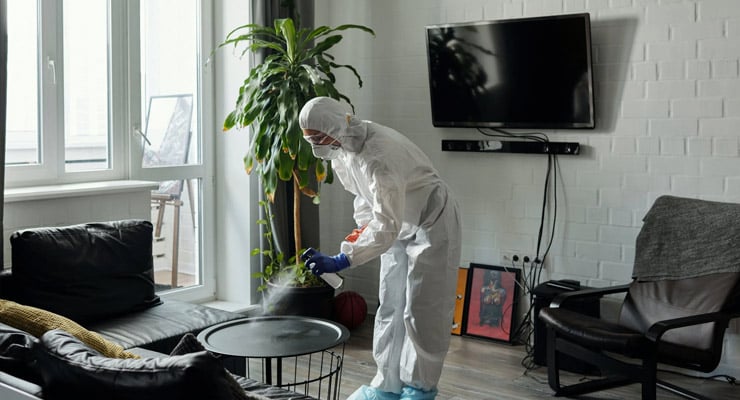
If you’re worried about yourindoor air quality and the negative impact that it may have on the health of you and your family, you have every right to be.
Indoor air research has found that air indoors can be up to 5 times more polluted than outdoor air, and when you consider how many chemicals are released into your home through cleaning products, dust, and open windows, it’s no wonder that could be the case..
Now that we’ve got your attention, the ByPurify team has identified 7 ways to help you better manage and control air quality while indoors.
Keep reading to discover 7 simple solutions…
Why’s Indoor Air Quality Important?
Indoor air quality is important because it relates to the air that I breathe.
This means that anything present in the air has the potential to be ingested or processed by my bodies – and this includes germs, bacteria, and other pollutants.
What Defines Poor Indoor Air Quality?
Coughing and sneezing, dust, and many other similar factors can define poor indoor quality.
Short-term and long-term exposure to indoor air pollution can cause several health problems, including respiratory disease, heart disease, cognitive impairment, and cancer1.
Your home is a haven of peace where you can rest and be safe from harmful things, but there are times when your home can make you sick instead.
Watch out for these 7 symptoms of poor air quality:
Cough or Shortness of Breath
A cough is one of the most common respiratory symptoms you may experience, along with shortness of breath.
When there’s a lack of ventilation, the cause of these breathing problems can be the introduction of particles into the air.
Without proper ventilation, you’ll end up reducing the amount of fresh oxygen in the room.
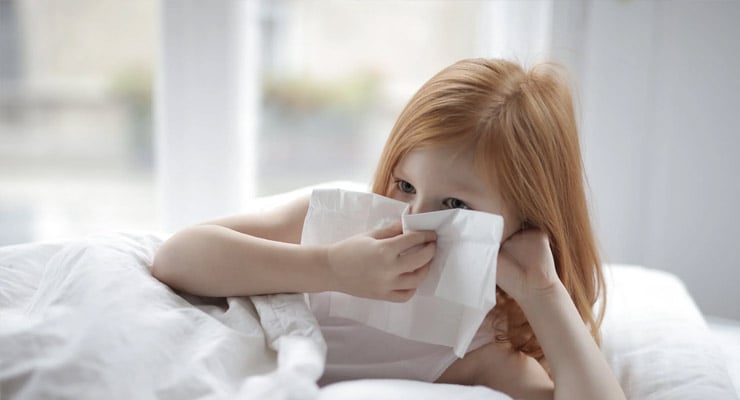
Sneezing or Allergic Reactions
Along with coughing and shortness of breath, sneezing and other nasal conditions are other telltale signs.
Irritation of the nose and throat can be signs of an allergic reaction.
Skin Rash or Irritation
If you’ve noticed rashes, redness, or dry skin and can’t identify other possible causes, it may be due to poor indoor air quality.
This is due to the concentration of pollutants in the air.
When bacteria and other air pollutants stick to your body, they dry it out and prevent the flow of nutrients.
Headache or Nausea
Do you have persistent headaches without knowing why?
The answer could be in the air.
In this case, it can be due to harmful chemicals found in pesticides and cleaning products, as well as smoke and carbon monoxide.
Insomnia
When the indoor air isn’t good, sleep can be difficult to achieve.
60% of people rarely get a good night’s sleep due to high levels of air pollution in the area2.
Not only do you suffer from a lack of sleep, but insomnia can also lead to a lack of concentration during your waking hours.
Dust
Are you seeing dust build up on your air filter and around your air conditioner?
This indicates an increase in pollution in your home.
Foul Odor
Poor air quality can lead to bad odors, many of which can come in many different forms.
Apart from chemical pollution and dust, foul odors can also come from pollen or mold.
7 Ways to Improve Indoor Air Quality
Did you know that using the right air purifier can also save you money?
The 7 ways to improve indoor air quality include changing your AC filter and regularly vacuuming.
This is because air pollution can range from your pet’s hair to hazardous gas leaks and even asbestos and lead particles, which can damage the lungs when released into the air.
In bathrooms and kitchens, mold can become a nuisance, as the humidity tends to be higher in those areas than in the rest of the house.
Here are 7 things you can do right away to improve the air quality in your home:
Change Your AC Filter
The air conditioning system constantly works to provide your home with the perfect temperature all year round, and as they move through the air, they remove some of the air’s pollutants.
Eventually, their air filters can get clogged and stop working properly.
Not only does this cause problems for your indoor air, but it also damages your air conditioning system, which can lead to expensive repairs down the road.
Don’t Forget Other Air Filters
If you want to improve your home’s air quality, check out filters and other accessories.
It’s important to have your furnace, dryer, and all of your kitchen surfaces inspected and maintained regularly.
It’s recommended to clean or replace the filters in these household features and appliances every few months.
Air ducts distribute hot and cold air throughout your space, providing a regulated atmosphere throughout.
Improperly installed or maintained air ducts and ventilation systems, however, can spread contaminants from room to room.
What’s more
Over time, dust, dander, and even mold can build up in your ductwork, reducing the overall air quality.
Call a professional to make sure your ductwork is circulating clean air.
Keep Your Rugs & Carpets Clean
Dirty rugs and carpets can act as dust and dirt traps, especially those with fluffy fibers.
As a result, every time you step on the rug or carpet, you release some of the trapped particles into the air that you breathe.
That’s why it’s important to keep your rugs and carpets clean by vacuuming them regularly, in addition to scheduling a regular deep clean.
Control the Humidity
Wet and humid conditions lead to mold and mildew that can trigger respiratory problems, such as allergies and asthma.
Depending on your location, the hot summer months can bring particularly humid conditions.
But there’s hope…
Reduce the amount of moisture in the air and prevent the growth of annoying mold by using a properly placed dehumidifier.
Different options for dehumidifiers will help maintain a consistent level of humidity and create a comfortable living environment in your home.
Buy Indoor Plants
Trees are nature’s air filters.
Buying a few plants can do wonders for improving the indoor climate of your home while also enhancing your home’s decor.
Small plants such as ferns and lilies (which grow indoors) and tall palms are the best choices for drawing pollutants out of the air.
For a powerful air purifier that complements natural solutions, check out the review of the VEVA Elite Pro Series Air Purifier to see why it’s a top pick for clean indoor air.
Common Questions
[CUSTOM_FAQ]
In Conclusion
Indoor air quality is incredibly important and, depending on how you manage it, it has the potential to impact your quality of life.
So the next time your family has the sniffles or the air in the office has a bit of a weird smell to it, you may want to investigate your indoor air quality and take action.
I trust that the ByPurify team has equipped you with enough knowledge on indoor air quality, and the 7 best ways to improve it.
If you’ve been watching the news lately, you’ve probably started thinking about your air quality, and potentially how air purifiers & Covid 19 go together.
The Centers for Disease Control and Prevention (CDC) is now recommending that people with chronic respiratory diseases or compromised immune systems, such as those living with asthma, COPD, cystic fibrosis, or diabetes, should have an air purifier as prevention against COVID-19.
But where to start?
We’ve combed the market, reviewing countless devices, so we’re in the perfect position to give you all the information you need to know.
COVID-191 is a virus that primarily affects those with compromised immune systems, such as people living with asthma or other chronic respiratory conditions.
This respiratory virus can be spread from person to person by coming into contact with infected secretions, such as saliva and mucus.
Take note:
This disease can easily be transmitted among those who are living in close quarters together.
It’s essential for individuals at risk of developing COVID-19 to find ways they can cut down on exposure to these infectious materials.
How COVID-19 Can Enter Your Home From the Air
There are several ways to bring COVID-19 into your home from the surrounding air.
These include:
People cough or sneeze as they walk through the door.
Pets carrying in germs from outdoor walks, play dates, and more.
Furniture is being moved into your home from a location that is contaminated with COVID-19.
Your home is near a location that has COVID-19, such as industrial areas or large public spaces like hospitals and schools.
You should always sanitize your home before bringing your children or pets inside, and wash your hands frequently to prevent the spread of germs, especially before meals and after using the bathroom.
Remember that COVID-19 spreads easily through airborne particles, so it is important to take action against this virus as soon as possible.
How Air Purifiers Can Protect You From COVID-19
A properly functioning high-quality air purifier can help to remove large airborne particles that may cause irritation or infection in those with chronic respiratory conditions.
It’s important to make sure the filter inside your purifier is changed regularly for optimal protection from COVID-19.
Keep in mind…
Air purifiers can also help reduce allergens in the air, providing even more relief when living with asthma or other chronic respiratory diseases, or a compromised immune system.
The CDC2 recommends that those with an air purifier should keep their units on at all times, as the large particles they remove from the air can also make it easier to breathe.
This is crucial for those with chronic respiratory conditions.
8 Astonishing Stats on Air Purifiers & the Coronavirus
The 8 most astonishing stats about COVID-19 are:
Multi-Million Industry Grows by 17.7%
Thanks a lot, Corona, for disrupting supply chains, logistics, and online channels supplying essential goods!
However, thanks to commercial end-users, air purifiers can still be sold and bought.
The air purifier market is estimated to grow from a $23,809.52 million industry (2021) to a $73,437.36 million industry by 20283.
A whopper of CAGR growth at a 17.7% increase!
They must be confident in the efficacy of air purifiers.
Ventilation Could Improve Your Air by 95%
A ventilation rate of 6 air changes each hour means that the ventilation system provides 6 times the volume of the room every hour.
However, this does not imply that all the air in the room is changed 6 times per hour; the new air combines with the existing air, causing dilution.
95% of the contaminants in the atmosphere would be removed in 30 minutes at 6 air changes per hour.
Your options include a single room purifier or an entire home purifying system, like the HVAC filter.
However
The risk of catching the virus decreases when you combine the use of an air purifier with other methods of safety (wearing your mask, washing your hands regularly, and keeping a safe social distance from others, etc.)
Let’s Filter Out up to 99% Of This Virus
Droplets and airborne particles can transmit the Coronavirus.
Air purifiers reduce both, depending on the quality and type of air purifier you have.
Electrostatic air purifiers reduce these by roughly 60-80% and HEPA air purifiers by approximately 87-99%!
According to the United States Environmental Protection Agency (EPA), “Air cleaners” and HVAC filters filter pollutants or contaminants from the air that passes through them.
99% Cleaner Air Keeps the ‘Rona Away
Medical studies have found that COVID-19 causes long-lasting lung damage such as pneumonia, and sometimes even acute respiratory distress syndrome (ARDS) can occur after recovering from the virus.
Sepsis is also a result of COVID-19, which is permanent damage to the lungs and other organs.
Let me tell you…
If you’ve had COVID-19, first, I’m so sorry that you had to go through that!
Second, you’ll LOVE having an air purifier around as it’ll make the air you breathe 99% cleaner and make your lungs much happier in their damaged state.
Support Your Precious Lungs 100%
If you’ve had an air purifier for a while now, you’re in good luck!
Air purifiers cause people to have better respiratory health because they’re always breathing in clean air.
They’re not putting their lungs under a lot of stress!
Why’s this important?
If you have respiratory issues like asthma or lung disease, or you inhale a lot of smoke/are a smoker, you’re more likely to suffer more severely from COVID-19.
This puts you at a greater risk of dying from the virus, even if you’re young.
Filter Out 99% Of the ‘Rona
Between the two types of air purifiers–filters and sanitizers–HEPA (High-Efficiency Particulate Air) filters are the MOST POPULAR and believed to be the MOST EFFECTIVE measure to clean your indoor air.
However, air sanitizer sales have also gone up drastically during the year as they’ll kill 99% of bacteria, mold, viruses, or fungal spores found in the air in your home.
99.97% UV-Light Corona Protection
UV-light air purifiers can clear the air of viruses if it’s run for some time.
Up to 99.94-99.97%!
Because long enough exposure to UV light in an air-purifying device can disable some viruses, including COVID-19, it’s a MUST-HAVE!
0.125 Microns Be 100% Bygones
According to the New York Times, “The virus that causes COVID-19 is approximately 0.125 microns (125 nanometers) in diameter.”
Better yet:
HEPA filters capture 0.01 microns (10 nanometers) and are bigger!
So, you’ll be safe from ‘Rona!
What’re the Different Types of Air Purifiers?
There are countless types of air purifiers available on the market.
But I can categorize them into two major groups, filters, and sanitizers.
Filter Purifiers usually use a filter to help improve air quality by capturing dust, allergens, and other particles in the air.
They are often used for people who have allergies or asthma as they aid in reducing symptoms.
However, COVID-19 is not an allergen, so evidence shows it’s doubtful these devices would be effective against this virus.
Sanitizers are a group of products specifically designed to kill bacteria and viruses and remove odors from various types of surfaces, including carpets and upholstery.
Since sanitizers claim to protect against any airborne infection, they are proving to potentially be an effective additional measure in preventing the spread of COVID-19.
What’re the Benefits of Using an Air Purifier?
There are several benefits to using a purifier when trying to protect yourself from COVID-19 or another respiratory disease:
Air purifiers can remove viruses that may linger long after symptoms have disappeared, helping prevent exposure at home while away on vacation or out running errands.
The level of protection is increased if multiple rooms with these types of filters are used throughout your house. These might be more effective than wearing face masks because they work continuously (unlike masks which can be removed when indoors).
They are affordable and easy to find and install. There is no need for costly, specialized equipment or permits.
They don’t require maintenance like some other types of filters that must be cleaned or replaced regularly, making them a convenient option for most household budgets.
How Do HEPA Filters & UV Light Air Purifiers Work?
To help you understand how air purifiers could work in preventing the rapid spread of COVID-19, let’s unpack details of the different products on the market.
HEPA Filters and UV Light air purifiers are quite similar, and both work in a way designed to kill bacteria.
HEPA Filters, true to their name, typically use filters with microscopic pores which trap allergens like dust, pollen, or pet dander, so they’re unable to re-enter the air I breathe.
COVID-19 doesn’t live for long outside the human body, but if it gets into your home’s filtration system, HEPA4 filters will help you avoid inhaling any harmful particles that the virus may produce.
UV Light Air Purifiers use a specialized bulb that emits ultraviolet light waves (UVA) at an intensity that has been proven effective in the war against various kinds of germs and bacteria.
It’ll effectively eliminate any COVID-19 particles, and the only thing they produce is clean, purified air, which you can safely breathe in.
What About Ionizers? How Do They Work?
Ionizers are another product that should be considered in the war against COVID-19.
They use a small electrical charge to create negative ions, which attach themselves to particles in the atmosphere.
This causes them to become heavier and eventually fall out of the air, carrying with them any germs or bacteria5 they might have encountered along their path.
While this type of cleaner could be highly effective against COVID-19, it’s not sufficient for long-term protection, as it can only temporarily remove dusters from the air.
This is without getting rid of other pollutants, like mold spores or chemicals found indoors.
What About Ozone Generators? How Do They Work?
Ozone6 generators use a process known as “ozone therapy” to produce ozone, which can kill bacteria and germs in the air.
Could this modern technology effectively eliminate COVID-19 from the air you breathe?
They typically use UV light bulbs and an ionizer or fan to create ozone molecules that are then released into the surrounding area, effective against various types of harmful micro-organisms.
Be aware!
While it effectively eliminates COVID-19, it’s not safe for prolonged exposure because, according to many studies, people who spend too much time near these devices risk developing symptoms, including throat irritation and coughing up blood.
It’s vital to consult your doctor if such symptoms develop.
Are These Types of Devices Safe to Use?
All the above air purifiers are safe to use in moderation.
If you follow the instructions included with each device and don’t have any severe health conditions, you should be able to use them without risk.
Still, you should always check to see if your device is approved for use by the Environmental Protection Agency.
The EPA7 has a list of all the approved cleaners on their website so that you can add it to your browser’s bookmarks for future reference.
It’s always a good idea to read reviews for any device you’re thinking of buying.
Take note:
It’s vital to know that not every cleaner will have the COVID-19 virus listed as one of its target germs.
Are Any of These Air Purifiers Effective Against COVID-19?
Great question!
While the Coronavirus was already found in humans in 19658, this newest variant, COVID-19, is the latest kid on the block.
Therefore, research is still limited since COVID-19 is a new airborne ailment.
However, preliminary research suggests that it might be worth your time and money if you look into this type of cleaner.
It’s essential to note that there are no guarantees.
Under What Circumstances Should People Use an Air Purifier During the COVID-19 Pandemic?
It’s a good idea to use an air purifier during the COVID-19 pandemic if you have any respiratory problems such as asthma or allergies.
While anyone can contract COVID-19 if exposed to infectious respiratory fluids, those with comorbidities or individuals over 65 are more likely to feel the effects or suffer gravely from the illness.
An air purifier is also a wise choice for people who spend a lot of time in crowded places or anywhere that could be considered “high risk,” such as schools, hospitals, office buildings, and public transportation hubs.
However
Experts still recommend additional preventative measures as the virus can enter your home on your clothing or groceries.
Take a moment to think about how many times those items are touched before making their way into your home.
What Should You Look For When Shopping for an Air Purifier?
If you’re in the market for an air purifier, then your first step should be to make sure it’s on the list of approved devices by the EPA.
Second, you’ll want to look at reviews from people who have already used the device to get a first-hand experience.
If many mixed reviews or complaints seem consistent across multiple users, then take heed because those might give you some insight into how well (or not) this type of device performs.
If it’s not effective, then you’ve wasted your time and money.
Finally, when looking at reviews, try to read some written by people in the same situation as yourself and see how they felt about the device.
What You Can Do to Protect Yourself From COVID-19
To protect yourself from COVID-19, there are several things you can do at home to help protect yourself from contracting COVID-19. These include:
Keep your home as clean as possible, especially surfaces that COVID-19 can live on, like sinks and doorknobs.
Make sure you don’t have any standing water or other moisture in places where the virus could grow and spread, as this will just exacerbate the problem.
People with respiratory problems should use a filter mask for protection.
Keeping your air purifier running on ‘auto’ or using its highest setting all day and night.
Ensure that every family member is vaccinated before being exposed to this virus.
Washing hands frequently throughout the course of each day with soap and warm water for 20 seconds each time.
Ensuring that other members of your household are not sick, which can spread germs quickly.
Make sure your home is well-ventilated and aired out, especially during the cooler months when windows can be kept closed for long periods.
Remember that exposure to COVID-19 weakens a person’s immune system and makes them more susceptible to respiratory diseases.
Common Questions
[CUSTOM_FAQ]
In Conclusion
As the virus mutates and spreads across the US, investing in an air purifier is likely worth the time and money.
Air cleaners can remove up to 99% of common airborne allergens, including dust mites, pet dander, pollen, mold spores, smoke particles, and more.
So when it comes to air purifiers & Covid 19, they’ll not only potentially help protect you from COVID-19, but if you’re living with asthma, COPD, or any respiratory issues, they’re a great way to improve your lifestyle.
Cleaner air with the help of air purifiers means you could find it easier to combat exposure to COVID-19.
The particles that an air purifier catches are often the culprits for aggravating respiratory conditions.
Air purifiers can help with those symptoms because they have a filter that is designed to capture many of these particles to keep them from entering your lungs and making you sicker, which can lead to many problems.
An air purifier will help with allergies², too. Allergies are caused by the presence of pollens or dust particles in your home that you then touch or inhale when sneezing and coughing.
These irritants cause different reactions like runny nose, skin irritation, itchy throat, and more.
An air filter is designed to catch these allergens before they reach any surfaces so that you don’t have to worry about them aggravating allergies over time.
How Can Air Purifiers Help With Respiratory Disease?
An air purifier can help with respiratory diseases by removing any irritants in the home. When your lungs are irritated, it’s harder to breathe and function properly.
Air filters work to remove these particles before they enter the home so that those who suffer from respiratory diseases can breathe easier and enjoy their home.
An air purifier is a helpful tool for those who suffer from asthma, allergies, or other types of respiratory disease.
Because they remove any particles that may aggravate the condition, while still providing clean, purified air in your living space.
It can also remove any other particles in the home that could worsen your condition, like mold spores or smoke.
Air quality is a key factor in how well you can function and avoid feeling the brunt of your condition³.
An air purifier can help by removing any particles that may aggravate respiratory conditions while providing clean, purified air for asthma or other types of respiratory diseases.
Using Air Purifiers for the Most Common Respiratory Issues
Asthma
The most common type of respiratory disease is asthma⁴, which can come from many different sources.
Pollens and dust particles are the most likely to cause an attack as they’re inhaled or touched by those who suffer from this condition.
An air purifier works to remove these irritants before touching any surfaces in your home so that you don’t have to worry about them aggravating allergies over time.
People with asthma should be especially aware of their environment because a sudden change could trigger an attack.
If you already have asthma, you need to ensure there aren’t any triggers present in your living space for prolonged periods.
COPD (Chronic obstructive pulmonary disease)
COPD⁵ is another respiratory disease that an air purifier can help with.
This condition occurs when people have prolonged obstructions in their lungs, such as chronic bronchitis, emphysema, or pneumonia.
These conditions cause the person to have difficulty breathing and often lead to shortness of breath, coughing spasms, and wheezing due to lost lung capacity.
An air filter works by removing any particles before they enter your home, so you don’t have to worry about them aggravating COPD over time because it will be difficult for anyone who suffers from this condition already to breathe if there are irritants present.
Allergies
Allergies are another type of respiratory disease that an air purifier can help with.
Allergens like pollens or dust particles in your home cause reactions such as runny nose, skin irritation, itchy throat, and more.
This is why a filter will work to remove these allergens from the air before they reach any surfaces, so you don’t have to worry about them aggravating allergies over time.
An air purifier for allergies works by capturing allergen particles to keep them out of the way while providing clean, purified air so those with asthma or other types of respiratory diseases can breathe easier and enjoy their living space.
Lung Cancer
Lung cancer⁶ may not be common to associate with respiratory disease, but it’s one.
When the lungs are damaged, they release carcinogens⁷ into an individual’s bloodstream, making their way to other organs in the body such as the brain.
The air purifier removes these particles before they reach any surfaces.
Those with lung cancer don’t have to worry about aggravating this condition over time due to exposure at home.
An air purifier can help with various types of respiratory diseases by removing irritants from your living space.
It will provide clean, purified air for you and your family members to breathe easier and enjoy life more fully, without feeling like there’s always something else slowing things down or making symptoms worse.
What Types of Air Purifiers Work Well for Respiratory Issues?
There are quite a few types of air purifiers that work well for respiratory conditions and should be considered before making your purchase.
They filter out more than 99% of all allergens in the air while also removing some viruses such as colds, influenza, and tuberculosis, so you don’t have to worry about these causing an attack.
Electronic Air Cleaners use mechanical means to clean the air through various methods, including ionization or electrostatic precipitators⁸, which provide cleaner and healthier living spaces with fewer irritants present.
Portable Air Purifiers use a battery for power and can be moved around easily, so they work well in spaces where there’s no outlet nearby, or you want something that isn’t stationary such as in your car.
The type of device you choose is based on what works best for your needs. Still, it’s important to think about how often allergies will affect those who suffer from this condition.
If they are constantly exposed to allergens, the condition will worsen over time.
You should always consider what type of respiratory disease someone has before purchasing any device because some types are more severe than others while also having different symptoms.
This means those with COPD might require something stronger than allergies, for example, when filtering particles from the air.
Tips for Using an Air Purifier and HEPA Filters if You Have Respiratory Issues
Only replace a filter once every six months, as they will lose their effectiveness over time with continual use.
Keep the air purifier on a low setting, so it doesn’t disturb people who are sleeping.
Change your filter once every six months or more often for those with severe respiratory issues
Keep an eye out for the build-up of dust and allergens to replace filters as needed.
It’s important to clean all surfaces within three feet of any type of air purifier, including furniture, floors, and walls at least twice per month.
It’s important to consider the type of respiratory disease someone has before purchasing any device because some types are more severe than others, while also having different symptoms.
This means those with COPD might require something stronger than allergies, for example, when it comes to filtering particles from the air.
Common Questions
[CUSTOM_FAQ]
In Conclusion
Your home, office, or other living space is one of the most important places to keep healthy.
The air I breathe in can significantly impact my respiratory system and lungs, and that’s not just when we’re at work.
When you spend so much time breathing polluted air indoors, it can lead to various health problems like asthma, allergies, and even chronic obstructive pulmonary disease (COPD).
An air purifier can help with respiratory diseases by removing any irritants in the home. That’s why investing in an air purifier for your house is such a good idea.
You can often find relief from common household allergens like pollen, dust mites, and pet dander with an air purifier.
Over half (53%) of households with asthma have a HEPA filter in their home.
Allergies are one of the leading causes of children’s trips to the emergency room, so parents need to take these symptoms seriously.
In addition to allergies and asthma, there has been some research into how helpful they can be against coughs.
A study out of Korea found that using an active carbon filter1 effectively reduced respiratory illnesses such as colds, cough, or pneumonia by 16% among children.
Another study found that children with asthma who slept in a bedroom with an active carbon filter had fewer coughing attacks and better sleep quality than those without the extra layer of filtration.
These studies show promising results, but more research is needed to understand how these filters work against coughs fully.
We’ll keep you updated as I learn more.
Can an Air Purifier Make a Cough Worse?
While there is some evidence that many air purification devices can help reduce the severity of coughing, it’s important to remember they are not a cure-all.
If you already have a chronic cough2 or asthma, an air purifier may worsen your condition because these filters work by removing particles from the air.
They also remove beneficial compounds like humidity and allergens, which could trigger bronchial spasms (sudden contractions of muscles around breathing passages).
If someone with asthma were relying on those triggers for relief instead of their usual inhaler treatments, the filter would essentially interfere with their treatment plan.
Discover insights from industry leaders on how effective air quality management enhances health.
How Can an Air Purifier Help Relief Cough?
An air purifier can help you relieve a cough in many ways.
First of all, an air purifier is your best friend when it comes to removing the allergens that are most commonly linked to coughing and other respiratory issues3 such as asthma or hay fever.
Second, a good-quality air purifier will filter out various pollutants, including dust mites that may trigger your allergies and make them worse.
If you suffer from bronchitis or pneumonia, these machines have been proven to make patients recover faster by improving their oxygen intake and eliminating toxins from the air responsible for lung infections.
Coughing can be very annoying, especially when you have to deal with it daily. If this is your situation, I suggest getting yourself an air purifier as fast as possible because it will help eliminate all those respiratory issues once and for all.
When Should I Use an Air Purifier?
Using your air purifier is highly recommended at all times, but especially so during cold and flu season as well as periods of high pollen exposure.
If you have a child with allergies or asthma, it’s important to keep an extra one around their room if possible because they are more likely to benefit from that protection.
If someone in your home has bronchitis or pneumonia, then make sure everyone keeps theirs on for longer than usual since this will reduce symptoms faster and help prevent them from coming back.
If someone in your home has a weakened immune system because of old age or chronic illness, it’s best to keep the purifier running 24/7 since that will help them get better faster and have more energy throughout the day.
Finally, if you are suffering from allergies or asthma, an air purifier is one of your most powerful allies, so don’t hesitate to use it as often as possible.
Take a look at this article to explore the broader impact of air purifiers, including on nasal congestion.
Can I Use an Air Purifier When I Have Severe Cough?
You most definitely can use an air purifier for relief when you have a bad cough.
However, if your coughing has become so intense that it’s causing chest pain or shortness of breath, then this might be the time to see a doctor instead of trying to deal with it yourself.
When in doubt, always consult with a medical professional before using any new treatment method since they will be able to tell you whether or not it’s safe for you and what other steps should come first.
While there are no side effects associated with running an air purifier at home, it’s best not to try anything out on your own without guidance from someone who knows exactly how your body works, as well as where all those mysterious aches and pains come from.
What Type of Air Purifier Is Good For Relief Cough?
While all air purifiers are good for relieving a cough, some are better than others.
If you have pets at home, then your best bet is to get a purifier that has an activated carbon filter because it will work most effectively on pet dander and other allergens, which could be triggering your issues and making them worse.
If you don’t have any animals but still suffer from allergies or asthma, then opt for one with a HEPA filter4 instead since they trap dust particles more efficiently.
This means fewer coughing spells throughout the day simply by running this type of device in the background while you sleep every night.
Finally, if someone in your house suffers from bronchitis or pneumonia, then I suggest getting yourself a medical-grade air purifier that uses ozone to kill off germs and bacteria.
Common Questions
[CUSTOM_FAQ]
In Conclusion
Your air purifier may provide some relief for those who suffer from chronic coughs.
If you have trouble breathing because of a persistent, dry cough or if your spouse is struggling to sleep at night because of this same issue, it’s worth considering an air purifier in the bedroom.
To use your air purifier for coughs, place your air purifier up high on the wall and keep all windows closed while running for the best results.
Living with pets is often an important experience for many people, as my four-legged friends make life more enjoyable.
The excitement and companionship that pets offer to one’s daily life are beyond rewarding.
Though less favorable side effects of housing a pet, like odors and pet dander, make owners question how to address these compromising factors.
Have you ever considered investing in an air purifier to combat these pet-related problems?
Choosing an Air Purifier as a Pet Owner can tackle odors and dander in the air while also providing further health benefits through better indoor air quality (IAQ).
Find out more about what specific attributes to look for when deciding on your air purifier, especially from a pet-centric mindset. Our reviews have everything you need to know.
Can an Air Purifier Help with Pet Allergies?
Yes, air purifiers are very capable of alleviating causes of allergies triggered by pets, like hair and dander.
Efficient filtration can capture hairs and dander that exist in the air to promote an allergen-free zone.
This allows for pet owners to live more comfortability with less allergy symptoms while still being able to enjoy the presence of their animal.
It also lowers the level of particulate matter in the air, leaving your indoor air feeling fresher and cleaner.
Features to Look for in an Air Purifier
The basic functions of an air purifier consist of removing particulate matter from the air of a designated space through a filtration system, releasing fresher, cleaner air back into the environment as a result.
A great example of an air purifier with efficient filtration and exchange rate is EnviroKlenz’s® Air System Plus, which combines its patented air cartridge with HEPA filtration and additional UV-C protection for thorough purification.
The Air System Plus is able to cover a 1,000 cubic foot area with an exchange rate of more than two times the efficiency of a standard HVAC system.
EnviroKlenz’s earth mineral technology found in their air cartridge adds the additional benefit of non-toxic air purification that releases nothing back into the air.
It is safe to use around pets and other family members, unlike carbon filtration that commonly releases toxic pathogens back into the environment.
Eliminating Pet Odors through Air Purification
Addressing pet odors in the home is crucial to any owner, making air purifiers so desirable due to their ability to resolve this smelly issue.
By turning over the air in a room quicker and more frequently than an HVAC system, air purifiers can tackle the odors from your pets that can’t be treated with simple air fresheners or room sprays.
Not only does this odor elimination offer comfort to your household, but it also combats the potential issue of guests noticing pet odors when you are hosting for others.
Lingering pet odors can include litter boxes, open pet food, pet bedding, and the pets themselves, alongside unexpected smells like potty-training accidents in the house.
While cats and dogs can’t necessarily control these factors, why not let the power of an air purifier help with these odor concerns.
Further Benefits of Proper Indoor Air Quality
The benefits of adding an air purifier to your home don’t stop at the removal of pet odors and hair, as its positive impacts stretch much further than that.
If pets don’t trigger your allergies, but dust and other particulates do, air purifiers can address these triggers just as efficiently.
Irritants stemming from outside sources like pollen, wildfires, and other air pollutants that find their way indoors can also be mitigated by a purification system for relief within your home.
The concern of fighting germs and viruses can also be treated through the capabilities of an air purifier.
Capturing and removing harmful viricidal and bacterial pathogens is achieved through filtration, but this can be further enhanced by combining filtration abilities with UV-C lights.
EnviroKlenz® utilizes the germicidal defense of UV-C bulbs in their Air System Plus to further deactivate viruses and bacteria and prevent infectious spread.
Air purifiers with this combination of filtration and UV-C can provide an even higher barrier to airborne health threats.
Air purifiers can cater to many IAQ needs, though in the eyes of a pet owner, they can look particularly valuable.
After seeing how certain features and benefits can combat typical conditions of living with pets, such as associated odors, hair, and dander.
Pet owners can use this knowledge as a guide for choosing an air purifier for their home.
This investment will create a fresher, healthier home for all human and furry family members alike!
Common Questions
[CUSTOM_FAQ]
In Conclusion
Now that you know choosing an air purifier as a pet owner can be simple, I wish you well on your decision and purchase.
Buying a good-quality air purifier is an investment for you and for your pets!
I was made to believe that COVID-19 can only be transmitted through close person-to-person contact with saliva or respiratory droplets.
But many experts think that these aren’t the only modes of transmission.
Get this…
239 scientists wrote an open letter to the World Health Organization (WHO), Centers for Disease Control and Prevention (CDC), and other health agencies regarding the spread of the coronavirus.
The letter suggested that an infected person can produce aerosolized micro droplets that spray from the mouth and float into the air.3
In a CNN interview, Donald Milton, a professor of environmental health at the University of Maryland, said, “They don’t want to talk about airborne transmission because that is going to make people afraid.”
This is exactly why wearing a mask is very important when controlling the spread of not only COVID-19 but also the common flu and some respiratory diseases.
This filter effectively removes at least 99% of dust, pollen, mold, bacteria, and any airborne particles that are 0.3 microns in size.
Some HEPA filters trap ultrafine particles as small as 0.01 microns.
High-end HEPA Air Purifiers can eliminate particulates 0.01 microns in size by using a patented air purifier technology called Photocatalytic Oxidation or PCO.
This method uses a catalyst, germicidal UV light, and other advanced components to effectively kill airborne viruses and bacteria.
The coronavirus is approximately 0.125 microns in diameter which are up in the alley of particle sizes that a highly efficient HEPA filter can capture.
Stop…
Before you storm out and buy one, remember that an air purifier shouldn’t be considered the first line of defense against the COVID-19 virus.
As of June 2021, the CDC said, “COVID-19 is thought to spread mainly through close contact from person-to-person,” through “respiratory droplets produced when an infected person coughs, sneezes, or talks.”4
So, wearing face masks is still king!
How Air Purifiers Fight Viruses
Air purification systems filter out particles that cause many health problems, so it’s no surprise that they can help with viruses too.
An air purifier is an effective way of killing airborne pathogens like the flu virus or a cold virus and bacteria and mold spores, which can lead to respiratory illnesses.
Here’s the deal…
An air cleaner removes 99.95% of the particulate matter from your air, and a HEPA filter can remove 98% of airborne particles like pet dander or pollen that might trigger allergies5.
The filters also release negative ions, which produce positive health effects for those in the surrounding space.
Air purifiers filter out pollutants and contaminants so you can enjoy the benefits of clean air.
Clean and fresh air offers various benefits like strengthening your immune system and improving sleep quality.
The particles in these smells range from 0.12 microns to 50 microns, so they would be removed much more quickly than those at .2 micron size.
Last, Activated Carbon Filters remove chemicals such as benzene, a known carcinogen found in many household items like detergents and cleaners.
These substances can affect your immune system7 over time if you’re exposed to them regularly.
How to Use Your Air Purifier to Fight Viruses
Air purifiers are an efficient and effective way of fighting against viruses, but it’s important to understand how they work best.
For example, HEPA filters must be replaced every 12-18 months for them to continue working at peak efficiency, which might not seem like a lot until you realize some models require filter replacement after just 6 months.
Air cleaners should be cleaned regularly with the help of a clean cloth or vacuum cleaner attachment.
This helps remove any dust build-up from furniture around your home or office space and prevents allergy triggers before they happen.
What Air Purifier Features Should You Look For When Purchasing?
The 4 key features you should look for in an air purifier are:
Ionizer8, is only necessary if allergies or asthma are present.
Long filter life for the best quality of air.
In order to provide the best quality of air, it’s necessary for your home or office space to have an air purifier that has a HEPA filter.
This will eliminate up to 99% of airborne particles such as mold and pet dander that can trigger allergies or asthma symptoms9.
However
You should also look for features like electronic controls with auto-timer shut-offs if you want something more heavy-duty than a portable device.
Last, keep in mind how often each type of filter needs replacing when purchasing your new unit, so you know what kind is right for you.
If allergens are a big concern in your area, then choose an ACF model that removes both organic gases and odors from the environment.
Common Questions
[CUSTOM_FAQ]
In Conclusion
Are you ready to fight viruses with an air purifier?
Air purifiers are without a doubt effective at reducing dust, pollen, chemicals, odors, viruses, and bacteria.
But when it comes to solving a global pandemic, it’s marginally helpful.
However, doing everything in your power to protect yourself and your family from this deadly virus is a must.
Investing in an air purifier still offers plenty of health benefits, don’t you think?
When shopping around for your next purchase, think about how often you spend time indoors and if it would be beneficial to have an indoor air purifier filter on hand and outdoor filters installed outside your windows to help fight viruses.
Air purifiers can be helpful for many reasons, we know because we review them, but if you’re considering buying one, you must know the risks that come with them as well.
But where to start?
This article will discuss how some people may get sick from using an air purifier and what steps they should take to prevent illness.
Can Air Purifiers Make You Sick?
The truth is it should not make you sick, but there are some instances where air purifiers could cause illness.
One of the reasons that someone might get sick is because they use an air purifier to clean their home or workspace and don’t take proper precautions.
Air purifiers can release ozone1 into the atmosphere, leading to respiratory problems in children and elderly adults.
Children should be kept away from these appliances when they’re in operation, while those with asthma should monitor how often they run them as well since it could trigger attacks.
Older people have a lower immune system2. If an infected person has been near the machine, germs like colds or pneumonia can spread more easily around your space than being exposed elsewhere without one running.
Things to Consider When Choosing and Using an Air Purifier
To make sure that you can use an air purifier without it being a health risk, there are some things to keep in mind in the selection process and how you use it.
Use Your Air Purifier Correctly
It’s important to know how an ionizer air purifier works before you use it. Different types of air purifiers have different settings and modes to use them correctly.
For example, an ionizer has a higher risk of causing problems if used incorrectly. It can release ozone, which is harmful to those with respiratory problems and diseases3 or low immune systems.
It’s best to choose the right type of product for what you need so you know how to maintain it effectively.
For instance, someone who works at home would want something much less powerful than a commercial office building owner because they don’t encounter nearly as many particles in their space and wouldn’t require such high levels of cleanliness day-to-day.
Ensure That Your Air Purifier is Working Properly
If your home or workspace smells different when running, this may mean that there’s a problem with your machine.
Be sure to contact customer service if you’re unsure what steps to take next for maintenance purposes since they should know better than anyone else who can help resolve any issue quicker.
Be aware of any change in sound coming from their unit as well, which could indicate something wrong internally–most manufacturers will tell you what to do in a worst-case scenario.
Avoid Ozone Generating Air Purifiers
Some air purifiers release ozone which can be harmful to those with respiratory problems or an already low immune system.
Ozone is created when the device’s fan runs at high speed and only needs to run like this temporarily to get rid of any particles.
This releases additional air into your space, so it should ideally not stay on all day long, but if you’re running it overnight.
Make sure that you leave some windows open during the daytime because closed-off spaces will lead to higher levels of ozone being generated by these units than they would otherwise produce.
It’s better to buy one without an ionizer4 since their purpose is more effective for cleaning the air than just keeping it clean.
If you have a health condition that might make you more susceptible to getting sick from an air purifier, buying one with a HEPA filter is also recommended.
These capture dust particles and other allergens better than any others.
Maintain Household Hygiene
Since an air purifier can’t clean surfaces (and you should not use it to do so), then be sure that the areas around them are sanitary.
After handling any food, make sure to wash your hands before touching anything else and keep all surfaces clear of debris or dust where possible.
Avoid using furniture to hold trash rather than throwing it away to reduce how much dust collects there, which could go into the machine when cleaning itself.
If you have children living with asthma who might need their inhaler more often because they’re allergic to particles found in these appliances.
Look for one with a low particle performance rating from AHAM5 and doesn’t require high maintenance levels since those may trigger attacks if exposed too often.
Change The Filters Regularly
When your product starts to show signs of wear, you should change the filters at least every 12 months.
This will help ensure that it operates safely since dirty or clogged filters can’t clean as much air efficiently, which is why early maintenance is important for these products and their longevity.
The cost difference between an annual filter replacement versus buying new ones upfront might seem like just a little bit each year.
However, over time this adds up, so replacing them annually saves money yet still provides the same level of quality service from every cleaning cycle.
Check Air Purifier Ratings and Standards Carefully
There are many different labels and certifications, which can be confusing, so it’s important to do your research beforehand.
Always look for the AHAM seal to ensure that you’re buying one that won’t harm those with respiratory problems or low immunity–some manufacturers will only put this on models they’ve tested themselves. In contrast, others don’t require any testing at all.
It’s also best not to trust any online reviews because people who have never used an air purifier before may give their opinion without knowing how these work in the first place.
Read what professionals think instead since they know exactly what goes into making them function effectively yet still keep things as safe as possible for users, especially children and pregnant women whose immune systems may be more fragile.
Common Questions
[CUSTOM_FAQ]
In Conclusion
So, can air purifiers make you sick?
Air purifiers should not make you sick, but there are some instances where they could cause sickness.
It’s important to choose the right type of product for your needs and know how it works before using it so that you can work with a manufacturer if something goes wrong.
You’ll also want to be aware of any changes in sound coming from their unit, which can indicate an issue internally, and if that happens, contact the company that made it right away to ensure your air purifier won’t be causing sickness.
Air purifiers help reduce the number of pollutants in your home and office, improving your health and reducing the risk for diseases such as asthma or allergies. And we’ve got the air purifier reviews to prove the health benefits of air purifiers.
When you breathe in pollutants, your body reacts by releasing histamines.
These can cause an allergy attack or asthma flare-up symptoms – think itchy eyes, runny nose, and wheezing.
Pollutants are also a major trigger for allergies, such as hay fever, causing rhinitis (a stinging sensation) and sneezing attacks, which lead to pink eye (conjunctivitis1).
The best way to control your allergic reactions is with air purifiers that reduce allergen levels from pet dander, dust mites, and mold spores, so your body doesn’t react as much.
Innovative air purifiers also keep the level of bacteria in your home low, reducing respiratory problems such as colds and flu.
These are inconvenient and can lead to more serious conditions like pneumonia or bronchitis if they persist for a long time.
When you spend all day breathing pollutants from the dirty air outside, indoor allergens, and harsh chemicals from cleaning products, it’s no wonder that people get sick so often – even those who believe themselves immune to these things.
Air purifiers help reduce levels of irritants inside your home so that you won’t feel ill during allergy season or, worse yet, come down with something serious because your defenses were weakened by constant exposure to toxins.
Air Quality Protection
If you know what to look for, it’s easy enough to tell if your air quality is good or bad. Suppose the air in your home has a dusty smell.
In that case, bugs are crawling on the walls, and everything feels heavy with grime and unpleasant odors – chances are the level of pollutants in that space is high under any circumstances.
Especially when people start cooking something smelly like fish or onions.
Air purifiers can help remove these irritants, so you won’t have as many symptoms as coughing from smoke inhalation or burning eyes during an allergy2 attack.
They also kill pet dander and reduce levels of allergens which results in fewer medications being needed for people with asthma who rely on medication to control their condition.
Tackling Tobacco Smoke
You might not realize it, but tobacco smoke is one of the worst offenders for indoor air pollution.
It contains over 4000 chemical compounds and countless irritants, including ammonia, formaldehyde, toluene3 – all things you don’t need in your lungs.
Smoking inside a home creates an unpleasant environment that makes people feel ill at ease and harms their health through exposure to toxins.
Air purifiers can reduce levels of these chemicals, so you will be less likely to come down with respiratory problems like pneumonia or asthma after being exposed long enough (even if just while sitting outside).
They also remove other pollutants such as pet dander and dust mites, leading to allergic reactions even without direct contact with them.
Alleviating Asthma
Asthma relief is the most important benefit of air purifiers that people don’t talk about as much.
Airborne particles trigger asthma attacks, and their effects range from mild to severe depending on how long the person has been exposed, what they inhaled, and other factors such as allergies or other medical conditions like chronic obstructive pulmonary disease (COPD)4.
The pollutants in your home can worsen an existing condition because when you’re already dealing with lung issues, it’s hard to breathe through all those irritants.
Pollutant molecules bind to receptors in your lungs which cause muscle spasms that make breathing difficult – not something anyone needs.
Radon gas is a carcinogen that comes from the natural breakdown of uranium in the soil.
This means it’s found all over, but some places are worse than others, including those with low elevation, because they’re more likely to be porous and contain large amounts of this substance.
Air purifiers can help remove radon by drawing air through an activated charcoal filter which absorbs these harmful particles, so you don’t have to worry about them anymore.
Reducing your risk for lung cancer or other respiratory problems due to long-term exposure will leave you feeling better inside and out.
Some people who live in high-risk areas might not even realize there’s anything wrong until their doctor tells them – it seems silly when I know how easy it could be to remove this substance from the environment.
Expelling External Pollutants
Air purifiers also remove external pollutants from the outside and enter your home through windows or doors.
Ozone is a common one, created by ultraviolet radiation interacting with air pollution – it’s especially bad during summer months when more people are outdoors.
It causes respiratory problems such as coughing and chest pain in those who have breathing issues like asthma while causing eye irritation for everyone else.
These symptoms only get worse over time, so if you’re noticing these things inside, then chances are they’re even worse out there.
Air cleaners will help keep ozone levels down to protect yourself against long-term lung damage (and other health complications) that might result from exposure without them.
Cutting Out Carbon Dioxide
Carbon dioxide is a cause of pollution in the atmosphere, but it’s also present indoors, making air purifiers necessary to remove this substance from your environment.
Even if you have an open window or door nearby while you’re inside, the levels might not be enough- I only need about 800ppm outdoors (outside of dense metropolitan areas), whereas indoor levels are closer to 1500ppm.
This can lead to health problems such as headaches and fatigue that don’t go away on their own, so installing one of these devices will make things better all around – even when they aren’t running.
Volatile Organic Compounds
Volatile organic compounds (VOCs) are found in many common household items, such as cleaning supplies or paints.
It’s bad enough when these substances enter your body through inhalation, but if you also have them inside the air purifier, it can help protect against this.
Plus, they’ll remove other contaminants from the environment, too, so you’re getting double protection for all of your health needs.
Avoiding Asbestos
Asbestos is a dangerous substance banned in the US in 1989, it causes cancer and other serious health issues.
These particles linger around for years before they finally turn into dust, which means you could be exposed to this illness without knowing.
Air purifiers can help remove these substances, so if anyone who lives or works at your home has been diagnosed with mesothelioma, installing one will make things easier.
It’s an expensive condition, but at least there are measures I can take now to prevent exposure – such as using air cleaners like HEPA5 filters or ultraviolet-C (UVC) irradiation devices.
Safeguarding the Sick, Elderly, and the Frail
Children, the elderly, and those recovering from a serious illness or surgery might be more sensitive to these contaminants.
Air purifiers can help remove particles that could cause respiratory problems like asthma while also reducing their hospital stays by limiting exposure – it’s better for everyone.
Not only will your loved ones not have as many symptoms, but they’ll recover faster too because this substance isn’t in the air, making them sick.
Common Questions
[CUSTOM_FAQ]
In Conclusion
The health benefits of air purifiers are many and include improved sleep, decreased allergies, clearer skin, and less dryness.
Suppose you have asthma or other respiratory conditions.
In that case, an air purifier can be the answer to your prayers, as it will improve your quality of life by reducing the number of times per day that you experience a coughing attack or wheezing incident.
Air purifiers also have health benefits for those who suffer from seasonal allergies like hay fever. Using an air purifier is key in relieving their symptoms without resorting to medication.