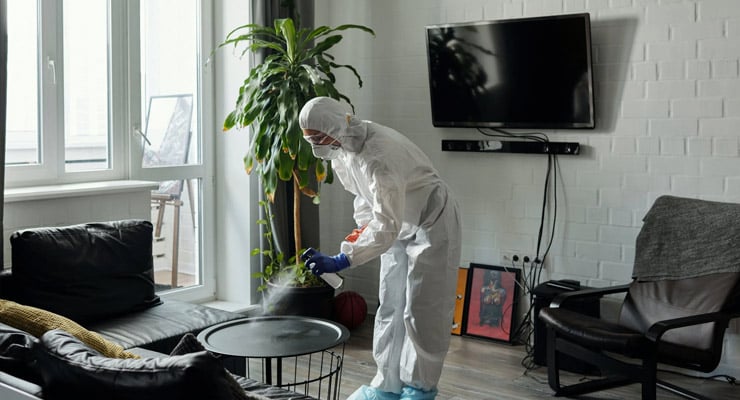
Breathing clean, safe air can improve health and make you feel better overall.
However, some people experience side effects when using an air purifier.
But where to start?
This article will explore why this might be happening and how to avoid these issues during your next purchase. And when you’re done reading this, why not head on over to our reviews to find out more?
How Can an Air Purifier Cause Nasal Discomfort?
For those with a cold or allergies, a trusty air purifier can worsen symptoms by adding irritants to the environment.
But this also removes some of your natural defenses against things like pollen or smoke, which leads to more congestion in your nose and sinuses.
For example, when someone suffers from seasonal allergies, their nasal passages swell due to allergen1 exposure.
Still, if they use an air filter, their body doesn’t work as hard trying to clear it on its own because pollutants are removed, so nothing is pushing up against the swollen tissue, making them feel congested for longer periods than normal.
There are other reasons, such as a possible side effect of the filters, which produces ozone that can cause some people to feel lightheaded or have headaches.
But there’s also the possibility that an air filter could be making your nose hurt by sucking up too much moisture from the environment, drying out mucous membranes, and irritating them more.
High Humidity Levels
To avoid discomfort while using your air purifier, make sure you’re running it in an area with high humidity levels.
Your nose will be less irritated if there is a higher level of moisture in the environment, which means that allergies and cold symptoms can improve and nasal congestion from other causes.
How to Prevent Discomfort
Keep it close to open windows or use an automatic misting system to make sure you’re running your air purifier in a humid environment.
If there are areas of the home where humidity is low, this can be remedied by using room-spray mists, which help add moisture back into the atmosphere and add that “fresh” smell I all know and love.
You could also try placing bowls of water around these rooms for even more added benefits, such as improved moods and stress relief.
Lack of Moisture in the Air
In some cases, the air purifier might be making your nose hurt because it is not producing enough moisture.
To filter out pollutants and allergens from the air, it can also suck up too much humidity, which leaves a dry environment that doesn’t provide any relief for your irritated nose and sinuses.
There are a few things you can do to keep this from happening:
Try adding humidity back into the air by using room spray mists or bowls of water around your home;
Invest in an ozone2 filter which will function more as a humidifier than it does as an air purifier, providing relief for those suffering from asthma and allergies;
Consider buying a dehumidifier if there is too much moisture in the environment which can lead to mold and mildew and spread allergies to those in the home.
Look for an air purifier with a humidistat that will automatically adjust humidity levels based on what is needed;
Invest in a filterless option with no ozone or charcoal filters, so it doesn’t dry out your nose and sinuses more than they already are.
Think air purifiers always dry out the air? Uncover the facts about this and other air purifier misconceptions.
Air Purifier Placement
When placing your air purifier in the home, make sure it is not too close to a bedroom, as this can lead to lightheadedness during sleep.
Also, be cautious of putting it near kitchen appliances or any other source of heat, which can cause the filters to overheat and decrease the air purifier’s efficiency.
Consider travel-friendly options if you’re using your purifier on the go.
Room Size and Airflow
It is also important to make sure you have a large enough room for your air purifier, one that will provide adequate airflow so it can cleanse the whole space, not just specific areas or corners of the area.
Having too much furniture around an air filter can restrict its capability to do its job as well, which means you’ll be using more energy running it than necessary.
If there are any windows in the home where pets like to sleep or spend their time, then avoid placing anything on them, such as curtains.
This could suffocate dust mites inside those window treatments, causing nose irritation when released back into the environment by opening up those draperies.
Ozone
Ozone gas is used in air purifiers to kill germs, bacteria, and other airborne pollutants, but this gas can be irritating for the lungs.
As a result of its high oxidizing properties, it should not be inhaled at all times.
This is why an ozone filter needs to be attached to your home’s HVAC system so any bad smells or particles that are coming from outside won’t affect the healthiness of those inside your household.3
When using an ionizer on your air purifier, you want to make sure it has contact with water before use because dry ions will just spread into the atmosphere without serving as much purpose.
If you are using it in high humidity environments, make sure the ionizer4 is not directly under direct sunlight because this can cause its effectiveness to decrease rapidly.
There are many other reasons your air purifier might be making your nose hurt, but these should help provide some relief and insight on how best to remedy any discomfort from running one of these devices.
If you plan on using your air purifier for a long period, as the winter months when allergies are at their peak or if you have asthma that needs ongoing treatment during this season, make an investment in a HEPA filter and change it every six months.
Lessen Your Exposure: If you’re not going to use the device for a while and find yourself with nasal congestion due to pollen levels being high outside or other allergens inside, keep windows closed as much as possible.
That will lessen how often particles enter into the house where I spend most of my time breathing them in unintentionally.
Stop Using Air Purifiers When Cooking: The kitchen is the worst place to have an air purifier running because cooking produces smoke and particles that get pulled into the filter.
If you’re using your device in a kitchen, keep it turned off whenever food is being cooked or smoked, so you don’t end up with a buildup of residue on your filters.
Keep Your Filters Clean: An easy way to do this is by wiping them down every few weeks with any cloth, including paper towels, microfiber5 materials like those made for cleaning eyeglasses or clothes, old T-shirts, etc.
Remember not to use something abrasive such as steel wool pads or sponges, which are too harsh for delicate surfaces inside these devices.
Common Questions
[CUSTOM_FAQ]
In Conclusion
Air purifiers remove harmful airborne particles from everyday air.
However, not all people react the same way when they use an air purifier, and some may experience a sore nose or throat due to inhaling these particles.
These symptoms can be like allergies, but you must see your doctor if you think this is the case before using an air purifier regularly to avoid any long-term complications.
If none of the above sounds like what’s happening with you, I recommend taking off your filter for a while before deciding whether it’s your air purifier causing sinus problems.
This article will discuss this question and give you some tips on knowing when it’s time to change your filter.
Why Should You Replace Air Purifier Filters Regularly?
Many air purifiers are designed to maximize their effectiveness by removing as many particles from the air as possible.
This includes allergens1, bacteria, and other harmful substances that can cause illness when entering someone’s lungs or eyes.
When an air filter becomes clogged with these impurities, it will no longer remove them effectively, which means you won’t get as much protection against pollutants in your home environment.
How Often Should You Change Your Air Purifier Filter?
The frequency of when a person should change their filter depends on three factors:
What type of filter is being used, how often the unit is running, and whether or not there have been any major changes in the household (i.e., pets, smoking, etc.).
For example, suppose you’re using a washable filter and have the unit running every day in a household with pets that recently installed new carpeting.
In that case, it’s likely your air purifier will need to be changed more often than someone who has an ionizer2 model.
How Can I Know When My Filter Needs Replacing?
Some people may not realize their filter needs to be changed until they notice a decrease in the air purifier’s effectiveness.
If you notice that your unit is no longer removing particles effectively, it might mean it’s time to change or need more frequent use of the machine.
Other signs that your air purifier filter needs replacing:
Reduced performance from normal; especially since an increase in dust and other allergens has been present recently
You can smell odors coming out of the vents, even when running at higher speeds
These signs could indicate that there have been changes in your home environment or what type of filtration system you’re using. It would then likely be time to replace the air purifier’s filter.
Do All Filters Need to Be Replaced?
Some air purifiers will have a permanent or washable filter that never needs to be changed.
These filters typically require cleaning, which can be done using hot water and detergent every month.
It’s important to know what type of filtration system you’re using before purchasing an air purifier because they are not all created equal.
It’s also recommended that people follow the owner’s manual for their specific machine to determine when it might need more frequent use or replacement.
So What Frequency Is Best?
It depends on several factors; here are some general rules for determining when it’s time to change your filter:
Default Indoor Air Quality
The air in your home will be cleaner if you have a HEPA filter3 running for at least 12 hours each day.
The more time the unit runs and the less dust or allergens hanging around to clog up an air purifier’s filters, the quicker it’ll need to be changed.
However, this doesn’t mean those with adjustable speed settings should run them constantly because it can put unnecessary strain on your machine.
Live in an area where there has been construction or remodeling going on recently.
Changing your filter sooner might also be necessary as these changes cause increased levels of particulates floating about, which could get caught inside a clogged-up filter.
Frequency of Usage
The more often your air purifier is being used, the more quickly it will need to be changed.
If you’re running an ionizer model all day long, then a filter change might not be necessary until after six months of use.
If you’re using a washable or permanent filter and have been running your machine daily for about 12 hours with no changes in a household environment, likely, they won’t need changing for at least three-six months.
Water Quality
The quality of your water can also have an impact on how often you’ll need to change a filter.
If you live in a city with high levels of air pollution or are using well water, it might be necessary for filters to be changed more frequently than someone who lives near the ocean and has clean drinking water coming out of their tap.
Filter Type
The type of filter also has an impact on when a replacement might be necessary.
If you’re using a HEPA, or High-Efficiency Particulate Air filter, then it’s likely that this will need to be replaced every 12 months as the lifespan is limited due to the finer particles these filters catch and what they are used for indoors.
If you have pets in your home and recently got new carpeting installed, then it’s likely that your air purifier will need to be changed more often than someone who has an ionizer model.
It depends on many factors about how frequently one needs their filter replaced, but most manufacturers recommend changing them around once per year, if not sooner with heavier usage.
General Filter Replacement Schedule
The following is a general timeline for how often filters should be changed:
Permanent filters will only need to be cleaned once a month with hot water and detergent.
HEPA or High-Efficiency Particulate Air Filter should be replaced every twelve months if they run for the majority of each day. Otherwise, six months is enough since these types of filters work harder than others.
Washable/reusable filters should also be changed after 12 months but can last up to 24 depending on frequency use and if there have been changes in a household environment.
Ionizer models might not require changing until around six months depending on how often it’s being used and which type of filtration system it’s used, as well as any other factors specific to the user such as pets or new carpeting installed.
Air purifiers with activated carbon filters4 should be changed every six months.
Air purifiers with electrostatic filters should be changed every 12 months.
Tips for Making Sure Your Filter Lasts as Long as Possible
Replace filters in the spring to avoid allergy season5.
Change filters when you change your air conditioner filter or furnace filter, which should be done at least twice a year for best results and maximum cleanliness.
Keep pets out of rooms where there is an air purifier running as they will track more pet dander into the room on their paws, and it can cause clogs over time if not cleaned up promptly after being brought inside.
Tips for Avoiding Clog Build Up When Replacing Your Filter
It’s important to take care of your machine by changing its filter regularly.
Still, some tips that might help reduce the chances of build-ups are keeping animals off furniture where the unit is located, cleaning any debris from around machines, and ensuring adequate airflow throughout the room.
Common Questions
[CUSTOM_FAQ]
In Conclusion
Changing the filter in your air purifier is important for maintaining high air quality, but how often should you replace it?
The answer to this question depends on several factors, including the size and type of your home.
Someone living in a small apartment with two or three cats may need to change their filters more frequently than someone who has five dogs living in a large house.
But no matter what kind of person you are, these general guidelines will help you know when it’s time to change your old air purifier filter for a new one.
Air purifiers help reduce the number of pollutants in your home and office, improving your health and reducing the risk for diseases such as asthma or allergies. And we’ve got the air purifier reviews to prove the health benefits of air purifiers.
When you breathe in pollutants, your body reacts by releasing histamines.
These can cause an allergy attack or asthma flare-up symptoms – think itchy eyes, runny nose, and wheezing.
Pollutants are also a major trigger for allergies, such as hay fever, causing rhinitis (a stinging sensation) and sneezing attacks, which lead to pink eye (conjunctivitis1).
The best way to control your allergic reactions is with air purifiers that reduce allergen levels from pet dander, dust mites, and mold spores, so your body doesn’t react as much.
Innovative air purifiers also keep the level of bacteria in your home low, reducing respiratory problems such as colds and flu.
These are inconvenient and can lead to more serious conditions like pneumonia or bronchitis if they persist for a long time.
When you spend all day breathing pollutants from the dirty air outside, indoor allergens, and harsh chemicals from cleaning products, it’s no wonder that people get sick so often – even those who believe themselves immune to these things.
Air purifiers help reduce levels of irritants inside your home so that you won’t feel ill during allergy season or, worse yet, come down with something serious because your defenses were weakened by constant exposure to toxins.
Air Quality Protection
If you know what to look for, it’s easy enough to tell if your air quality is good or bad. Suppose the air in your home has a dusty smell.
In that case, bugs are crawling on the walls, and everything feels heavy with grime and unpleasant odors – chances are the level of pollutants in that space is high under any circumstances.
Especially when people start cooking something smelly like fish or onions.
Air purifiers can help remove these irritants, so you won’t have as many symptoms as coughing from smoke inhalation or burning eyes during an allergy2 attack.
They also kill pet dander and reduce levels of allergens which results in fewer medications being needed for people with asthma who rely on medication to control their condition.
Tackling Tobacco Smoke
You might not realize it, but tobacco smoke is one of the worst offenders for indoor air pollution.
It contains over 4000 chemical compounds and countless irritants, including ammonia, formaldehyde, toluene3 – all things you don’t need in your lungs.
Smoking inside a home creates an unpleasant environment that makes people feel ill at ease and harms their health through exposure to toxins.
Air purifiers can reduce levels of these chemicals, so you will be less likely to come down with respiratory problems like pneumonia or asthma after being exposed long enough (even if just while sitting outside).
They also remove other pollutants such as pet dander and dust mites, leading to allergic reactions even without direct contact with them.
Alleviating Asthma
Asthma relief is the most important benefit of air purifiers that people don’t talk about as much.
Airborne particles trigger asthma attacks, and their effects range from mild to severe depending on how long the person has been exposed, what they inhaled, and other factors such as allergies or other medical conditions like chronic obstructive pulmonary disease (COPD)4.
The pollutants in your home can worsen an existing condition because when you’re already dealing with lung issues, it’s hard to breathe through all those irritants.
Pollutant molecules bind to receptors in your lungs which cause muscle spasms that make breathing difficult – not something anyone needs.
Radon gas is a carcinogen that comes from the natural breakdown of uranium in the soil.
This means it’s found all over, but some places are worse than others, including those with low elevation, because they’re more likely to be porous and contain large amounts of this substance.
Air purifiers can help remove radon by drawing air through an activated charcoal filter which absorbs these harmful particles, so you don’t have to worry about them anymore.
Reducing your risk for lung cancer or other respiratory problems due to long-term exposure will leave you feeling better inside and out.
Some people who live in high-risk areas might not even realize there’s anything wrong until their doctor tells them – it seems silly when I know how easy it could be to remove this substance from the environment.
Expelling External Pollutants
Air purifiers also remove external pollutants from the outside and enter your home through windows or doors.
Ozone is a common one, created by ultraviolet radiation interacting with air pollution – it’s especially bad during summer months when more people are outdoors.
It causes respiratory problems such as coughing and chest pain in those who have breathing issues like asthma while causing eye irritation for everyone else.
These symptoms only get worse over time, so if you’re noticing these things inside, then chances are they’re even worse out there.
Air cleaners will help keep ozone levels down to protect yourself against long-term lung damage (and other health complications) that might result from exposure without them.
Cutting Out Carbon Dioxide
Carbon dioxide is a cause of pollution in the atmosphere, but it’s also present indoors, making air purifiers necessary to remove this substance from your environment.
Even if you have an open window or door nearby while you’re inside, the levels might not be enough- I only need about 800ppm outdoors (outside of dense metropolitan areas), whereas indoor levels are closer to 1500ppm.
This can lead to health problems such as headaches and fatigue that don’t go away on their own, so installing one of these devices will make things better all around – even when they aren’t running.
Volatile Organic Compounds
Volatile organic compounds (VOCs) are found in many common household items, such as cleaning supplies or paints.
It’s bad enough when these substances enter your body through inhalation, but if you also have them inside the air purifier, it can help protect against this.
Plus, they’ll remove other contaminants from the environment, too, so you’re getting double protection for all of your health needs.
Avoiding Asbestos
Asbestos is a dangerous substance banned in the US in 1989, it causes cancer and other serious health issues.
These particles linger around for years before they finally turn into dust, which means you could be exposed to this illness without knowing.
Air purifiers can help remove these substances, so if anyone who lives or works at your home has been diagnosed with mesothelioma, installing one will make things easier.
It’s an expensive condition, but at least there are measures I can take now to prevent exposure – such as using air cleaners like HEPA5 filters or ultraviolet-C (UVC) irradiation devices.
Safeguarding the Sick, Elderly, and the Frail
Children, the elderly, and those recovering from a serious illness or surgery might be more sensitive to these contaminants.
Air purifiers can help remove particles that could cause respiratory problems like asthma while also reducing their hospital stays by limiting exposure – it’s better for everyone.
Not only will your loved ones not have as many symptoms, but they’ll recover faster too because this substance isn’t in the air, making them sick.
Common Questions
[CUSTOM_FAQ]
In Conclusion
The health benefits of air purifiers are many and include improved sleep, decreased allergies, clearer skin, and less dryness.
Suppose you have asthma or other respiratory conditions.
In that case, an air purifier can be the answer to your prayers, as it will improve your quality of life by reducing the number of times per day that you experience a coughing attack or wheezing incident.
Air purifiers also have health benefits for those who suffer from seasonal allergies like hay fever. Using an air purifier is key in relieving their symptoms without resorting to medication.
Air purifiers can be helpful for many reasons, we know because we review them, but if you’re considering buying one, you must know the risks that come with them as well.
But where to start?
This article will discuss how some people may get sick from using an air purifier and what steps they should take to prevent illness.
Can Air Purifiers Make You Sick?
The truth is it should not make you sick, but there are some instances where air purifiers could cause illness.
One of the reasons that someone might get sick is because they use an air purifier to clean their home or workspace and don’t take proper precautions.
Air purifiers can release ozone1 into the atmosphere, leading to respiratory problems in children and elderly adults.
Children should be kept away from these appliances when they’re in operation, while those with asthma should monitor how often they run them as well since it could trigger attacks.
Older people have a lower immune system2. If an infected person has been near the machine, germs like colds or pneumonia can spread more easily around your space than being exposed elsewhere without one running.
Things to Consider When Choosing and Using an Air Purifier
To make sure that you can use an air purifier without it being a health risk, there are some things to keep in mind in the selection process and how you use it.
Use Your Air Purifier Correctly
It’s important to know how an ionizer air purifier works before you use it. Different types of air purifiers have different settings and modes to use them correctly.
For example, an ionizer has a higher risk of causing problems if used incorrectly. It can release ozone, which is harmful to those with respiratory problems and diseases3 or low immune systems.
It’s best to choose the right type of product for what you need so you know how to maintain it effectively.
For instance, someone who works at home would want something much less powerful than a commercial office building owner because they don’t encounter nearly as many particles in their space and wouldn’t require such high levels of cleanliness day-to-day.
Ensure That Your Air Purifier is Working Properly
If your home or workspace smells different when running, this may mean that there’s a problem with your machine.
Be sure to contact customer service if you’re unsure what steps to take next for maintenance purposes since they should know better than anyone else who can help resolve any issue quicker.
Be aware of any change in sound coming from their unit as well, which could indicate something wrong internally–most manufacturers will tell you what to do in a worst-case scenario.
Avoid Ozone Generating Air Purifiers
Some air purifiers release ozone which can be harmful to those with respiratory problems or an already low immune system.
Ozone is created when the device’s fan runs at high speed and only needs to run like this temporarily to get rid of any particles.
This releases additional air into your space, so it should ideally not stay on all day long, but if you’re running it overnight.
Make sure that you leave some windows open during the daytime because closed-off spaces will lead to higher levels of ozone being generated by these units than they would otherwise produce.
It’s better to buy one without an ionizer4 since their purpose is more effective for cleaning the air than just keeping it clean.
If you have a health condition that might make you more susceptible to getting sick from an air purifier, buying one with a HEPA filter is also recommended.
These capture dust particles and other allergens better than any others.
Maintain Household Hygiene
Since an air purifier can’t clean surfaces (and you should not use it to do so), then be sure that the areas around them are sanitary.
After handling any food, make sure to wash your hands before touching anything else and keep all surfaces clear of debris or dust where possible.
Avoid using furniture to hold trash rather than throwing it away to reduce how much dust collects there, which could go into the machine when cleaning itself.
If you have children living with asthma who might need their inhaler more often because they’re allergic to particles found in these appliances.
Look for one with a low particle performance rating from AHAM5 and doesn’t require high maintenance levels since those may trigger attacks if exposed too often.
Change The Filters Regularly
When your product starts to show signs of wear, you should change the filters at least every 12 months.
This will help ensure that it operates safely since dirty or clogged filters can’t clean as much air efficiently, which is why early maintenance is important for these products and their longevity.
The cost difference between an annual filter replacement versus buying new ones upfront might seem like just a little bit each year.
However, over time this adds up, so replacing them annually saves money yet still provides the same level of quality service from every cleaning cycle.
Check Air Purifier Ratings and Standards Carefully
There are many different labels and certifications, which can be confusing, so it’s important to do your research beforehand.
Always look for the AHAM seal to ensure that you’re buying one that won’t harm those with respiratory problems or low immunity–some manufacturers will only put this on models they’ve tested themselves. In contrast, others don’t require any testing at all.
It’s also best not to trust any online reviews because people who have never used an air purifier before may give their opinion without knowing how these work in the first place.
Read what professionals think instead since they know exactly what goes into making them function effectively yet still keep things as safe as possible for users, especially children and pregnant women whose immune systems may be more fragile.
Common Questions
[CUSTOM_FAQ]
In Conclusion
So, can air purifiers make you sick?
Air purifiers should not make you sick, but there are some instances where they could cause sickness.
It’s important to choose the right type of product for your needs and know how it works before using it so that you can work with a manufacturer if something goes wrong.
You’ll also want to be aware of any changes in sound coming from their unit, which can indicate an issue internally, and if that happens, contact the company that made it right away to ensure your air purifier won’t be causing sickness.
I was made to believe that COVID-19 can only be transmitted through close person-to-person contact with saliva or respiratory droplets.
But many experts think that these aren’t the only modes of transmission.
Get this…
239 scientists wrote an open letter to the World Health Organization (WHO), Centers for Disease Control and Prevention (CDC), and other health agencies regarding the spread of the coronavirus.
The letter suggested that an infected person can produce aerosolized micro droplets that spray from the mouth and float into the air.3
In a CNN interview, Donald Milton, a professor of environmental health at the University of Maryland, said, “They don’t want to talk about airborne transmission because that is going to make people afraid.”
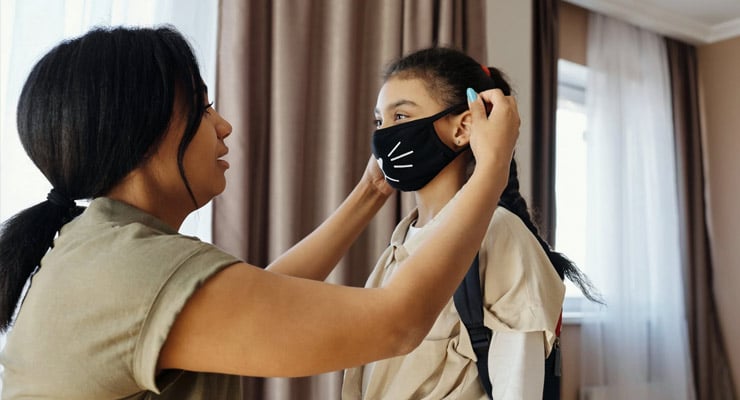
This is exactly why wearing a mask is very important when controlling the spread of not only COVID-19 but also the common flu and some respiratory diseases.
This filter effectively removes at least 99% of dust, pollen, mold, bacteria, and any airborne particles that are 0.3 microns in size.
Some HEPA filters trap ultrafine particles as small as 0.01 microns.
High-end HEPA Air Purifiers can eliminate particulates 0.01 microns in size by using a patented air purifier technology called Photocatalytic Oxidation or PCO.
This method uses a catalyst, germicidal UV light, and other advanced components to effectively kill airborne viruses and bacteria.
The coronavirus is approximately 0.125 microns in diameter which are up in the alley of particle sizes that a highly efficient HEPA filter can capture.
Stop…
Before you storm out and buy one, remember that an air purifier shouldn’t be considered the first line of defense against the COVID-19 virus.
As of June 2021, the CDC said, “COVID-19 is thought to spread mainly through close contact from person-to-person,” through “respiratory droplets produced when an infected person coughs, sneezes, or talks.”4
So, wearing face masks is still king!
How Air Purifiers Fight Viruses
Air purification systems filter out particles that cause many health problems, so it’s no surprise that they can help with viruses too.
An air purifier is an effective way of killing airborne pathogens like the flu virus or a cold virus and bacteria and mold spores, which can lead to respiratory illnesses.
Here’s the deal…
An air cleaner removes 99.95% of the particulate matter from your air, and a HEPA filter can remove 98% of airborne particles like pet dander or pollen that might trigger allergies5.
The filters also release negative ions, which produce positive health effects for those in the surrounding space.
Air purifiers filter out pollutants and contaminants so you can enjoy the benefits of clean air.
Clean and fresh air offers various benefits like strengthening your immune system and improving sleep quality.
The particles in these smells range from 0.12 microns to 50 microns, so they would be removed much more quickly than those at .2 micron size.
Last, Activated Carbon Filters remove chemicals such as benzene, a known carcinogen found in many household items like detergents and cleaners.
These substances can affect your immune system7 over time if you’re exposed to them regularly.
How to Use Your Air Purifier to Fight Viruses
Air purifiers are an efficient and effective way of fighting against viruses, but it’s important to understand how they work best.
For example, HEPA filters must be replaced every 12-18 months for them to continue working at peak efficiency, which might not seem like a lot until you realize some models require filter replacement after just 6 months.
Air cleaners should be cleaned regularly with the help of a clean cloth or vacuum cleaner attachment.
This helps remove any dust build-up from furniture around your home or office space and prevents allergy triggers before they happen.
What Air Purifier Features Should You Look For When Purchasing?
The 4 key features you should look for in an air purifier are:
Ionizer8, is only necessary if allergies or asthma are present.
Long filter life for the best quality of air.
In order to provide the best quality of air, it’s necessary for your home or office space to have an air purifier that has a HEPA filter.
This will eliminate up to 99% of airborne particles such as mold and pet dander that can trigger allergies or asthma symptoms9.
However
You should also look for features like electronic controls with auto-timer shut-offs if you want something more heavy-duty than a portable device.
Last, keep in mind how often each type of filter needs replacing when purchasing your new unit, so you know what kind is right for you.
If allergens are a big concern in your area, then choose an ACF model that removes both organic gases and odors from the environment.
Common Questions
[CUSTOM_FAQ]
In Conclusion
Are you ready to fight viruses with an air purifier?
Air purifiers are without a doubt effective at reducing dust, pollen, chemicals, odors, viruses, and bacteria.
But when it comes to solving a global pandemic, it’s marginally helpful.
However, doing everything in your power to protect yourself and your family from this deadly virus is a must.
Investing in an air purifier still offers plenty of health benefits, don’t you think?
When shopping around for your next purchase, think about how often you spend time indoors and if it would be beneficial to have an indoor air purifier filter on hand and outdoor filters installed outside your windows to help fight viruses.
You might think that you are safe from pollution when you go inside your home.
However, indoor sources of pollution can be just as harmful to your health as outdoor air pollution sources.
Pollutants like dust mites and mold are in the air I breathe all day long, so it is essential to clean up these pollutants before they cause more severe health problems.
But where to start?
This article will discuss different types of contaminants found in homes, how to clean indoor air pollution and get contaminants out for better indoor air quality!
Sneaky Sources of Indoor Air Pollution
Construction dust, ground-in dirt, and particles from indoor cooking are all familiar sources of pollution.
If you have hardwood floors in your home, there will likely be a layer of dusty debris on the bottom when construction workers leave for the day—especially if they patched drywall or tiling!
You can always sweep these indoor air pollutants up and dispose of them outside with a leaf blower.
It’s important to remember not to use any area rugs near an open window as this might lead to cross-contamination1 between inside and out (i.e., bugs).
#01. Lemony Fresh Products
Many common household cleaners are packed with additives, which can impact their effectiveness and safety.
Conventional window cleaners, for example, often use ammonia and alcohol as ingredients. So it’s not unheard of for a window cleaner to contain an ammonia-alcohol mix.
Unfortunately, these chemicals are also present in many household cleaning products, including air fresheners and the popular Lemony Fresh dishwashing liquid!
The thing is that when you combine these ingredients with citrus flavors like lemon or lime (think: Lemony Fresh), the chemical reactions can produce a poisonous gas called chloramine2.
So, if you’re not careful about how and when you use your cleaning products together, well, then this is all too easy to happen.
#02. Ozone Generating Air Cleaners
Ozone-generating3 air cleaners are one of the worst sources of indoor pollution.
Ozone is a powerful oxidizer that destroys many organic compounds, including those critical to human health, such as nitrosamines and benzene compounds.
Not only does it kill healthy bacteria in your respiratory system, but ozone can also lead to increased burning sensations and lung diseases.
#03. Third-hand Smoke
Cigarette smoke is the residue that builds up on surfaces and furniture after someone smokes in a room.
It contains toxins like nicotine, lead, formaldehyde, benzene compounds – all of which are harmful to human health.
These chemicals can linger on furniture, clothes, and curtains for up to two months.
The third-hand inhalation of these compounds contributes to respiratory infections and disease development in children with asthma; it also increases their risk of a heart attack in adult men by 40%.
#04. Formaldehyde & Wood Smoke Pollution
Formaldehyde4 is a gas that comes from the everyday use of building materials, paint, and solvents – smokers also emit it.
It can irritate your eyes, nose, or throat, while exposure over time may lead to an increased risk for cancer.
Wood smoke is the chemical released when wood or other natural products are burned for heat, cooking, and industry.
It can cause coughing and wheezing in children and adults with asthma and worsen symptoms of chronic bronchitis.
Solutions for Cleaning Up Your Home’s Indoor Air Pollution
Create an open space for cooking using a range hood that vents smoke, grease, and odors outside the home. It is essential to keep this area as clean as possible by wiping down any surfaces after every use with soap and water or high-quality disinfectant wipes. For those who like to cook in their kitchen, it may be easier to purchase a stovetop cleaner, so there’s no need to scrub anything!
Keep areas where people spend most of their time—such as bedrooms and living rooms—as well ventilated as possible at all times. This might mean adding another fan if you only have one; having windows open on opposite sides of each other can also help improve air circulation.
Get an indoor electronic plant for decoration or as an oxygen supplier.
Use open window shades instead of closed curtains to keep fresh air flowing in and out of your home, especially if you have any cooking going on inside (and not to cross-contaminate).
Remove carpets near exterior windows due to cross-contamination risk.
This might mean adding another fan if you only have one; having windows open on opposite sides of each other can also help improve air circulation.
Use a HEPA filter. These filters are designed to trap the fine particles that contribute to indoor air pollution and save you money on energy bills by reducing your use of heating, cooling, or ventilation systems.
Common Questions
[CUSTOM_FAQ]
In Conclusion
Indoor air pollution is a serious issue; it can lead to various health risks like heart disease, respiratory disease, and lung conditions.
The sources of indoor pollution are numerous, but there are many ways for cleaning indoor air pollution with the help of HEPA filters, cross-contamination prevention methods, and more natural plants around your home.
Many people don’t realize that they are breathing and living in a polluted environment.
When I spend time indoors, I take in the air of the space around us, containing harmful pollutants such as carbon monoxide, formaldehyde, volatile organic compounds (VOCs), radon gas, and asbestos fibres. Many people are unaware of the indoor air pollution sources in their spaces.
Some of these pollutants come from my homes or offices, while others may be present because of commercial products like paints and carpeting.
Luckily there are ways to purify your indoor air so you can breathe easier! And there are a lot of reviews on air purifiers you can read.
Install a carbon monoxide detector. Carbon monoxide detectors can be found in most hardware stores and are relatively inexpensive.
Just follow the instructions on installing your device!
It will go off if there is an unsafe level of CO present or when you use gas appliances like cooking stoves, fireplace, furnaces, water heaters etc.
If your detector goes off, call 911 immediately as this could be life-threatening!
Volatile organic compounds (VOCs)
You can buy products that cleaners claim remove VOCs1
from carpets and upholstery, but how effective these are is debatable.
If you have a cat or dog, try washing your pets frequently.
Try vacuuming the floors every day and reduce the number of chemical cleaners in your home as much as possible.
Formaldehyde
When cooking or showering, open windows will let out some formaldehyde from new kitchen cabinets, flooring, etc.
Make sure that you use an exhaust fan if using gas appliances like ovens/ stoves and dryers because these release high levels of formaldehyde into the atmosphere (this is why I don’t want my stove on for too long).
The best solution, though, would be to install ventilation fans in your kitchen and bathroom so that the formaldehyde doesn’t build up while you use those areas and never gets a chance to enter your lungs.
Radon
If you live near a septic system, have cracks or gaps in foundation walls, or suspect your home has high radon levels.
This would be a good time for testing with an inexpensive do-it-yourself test.
It’s easy and takes only minutes – if tests results come back positive, consult experts as soon as possible because there is no cure for radon poisoning.
Pets
Keep your pet out of the living areas as much as possible- they can carry allergens2
that trigger asthma attacks or other respiratory problems for people with sensitivities.
If you do have pets around, incorporate them into your daily routine by giving them regular baths and brushing their fur regularly.
This will help eliminate odours from shedding hair. Several products can help as well, like air purifiers or a good vacuum.
Smoke
This is one of the top sources of indoor air pollution.
Smoke can be from cigarettes, candles or even wood fires. Smoke also makes it difficult for children to breathe and learn at school due to their sensitive respiratory systems.
If you’ve just moved into a new home with smokers, I recommend that you install a high-efficiency particulate air (HEPA) filter for your furnace.
If you smoke, the best way to get rid of it is to quit smoking or use a non-smoking home like an apartment with no children in it.
Keep in mind that secondhand smoke is just as dangerous.
Smoke can cause a variety of health problems, including respiratory conditions and lung cancer.
Paint Fumes
Paint fumes are another major source of indoor air pollution.
Paint can emit volatile organic compounds (VOCs), which have been shown to cause health problems, including headaches and respiratory conditions.
If you’re painting your home or yard with oil-based paint, make sure that you use the proper ventilation system to prevent fumes from spreading throughout the house.
If you’re painting a room, always open windows and leave them open for at least 24 hours after completing your project.
If you found that there is still paint fumes in an area of the room, install a HEPA air filter to remove it.
Dusts
Dusts are another significant source of indoor air pollution.
Dust is a prominent cause of allergies, asthma and other respiratory conditions because it can contain mould spores, pet dander and animal fur.
To prevent dust from spreading throughout the house:
Vacuum your carpeting at least once every two weeks with a HEPA-filter vacuum cleaner.
Clean furniture with a damp cloth or duster every month and curtains at least once per year.
Keep the humidity level in your house between 30% – 40%. If it’s too dry, you’ll want to use humidifiers or air conditioners to add moisture to the air.
If dust is already an issue in your home, invest in a HEPA filter.
HEPA filters will remove dust from the air and help reduce allergies and asthma symptoms.
You should install a good quality HEPA air filter over any vents that bring outside air into the house to prevent all these pollutants from coming indoors with it.
Dangers of Low Indoor Air Quality
Indoor air pollutants are a severe health problem. There are many sources of indoor air pollution, and it’s essential to be aware of them so that you can deal with the issue properly.
One of the biggest dangers to your health is the chemicals that are used in everyday life.
These include everything from cleaning products to new furniture or carpets, and they can release harmful pollutants, like gases, into your home environment.
Breathing these toxic fumes for prolonged periods can cause many serious health problems such as respiratory diseases, pulmonary disease, dizziness, nausea, memory loss, asthma, heart disease and cancer.
People with asthma or other respiratory conditions may be more sensitive to these chemicals.
In particular, those with asthma can experience difficulty breathing and chest tightness in response to the fumes released by new carpeting or furniture.
I recommend that you always use natural cleaning products such as baking soda, vinegar, lemon juice and tea tree oil for your home – they’re natural, environmentally safe and inexpensive.
If you don’t have any of these cleaning supplies on hand, there are several products available online that will safely clean your home and get rid of those pesky indoor pollutants.
Common Questions
[CUSTOM_FAQ]
In Conclusion
There are many indoor air pollution sources and it’s a severe health problem. If you’re looking for the best way to get rid of it, then these eight solutions will help!
Living with pets is often an important experience for many people, as my four-legged friends make life more enjoyable.
The excitement and companionship that pets offer to one’s daily life are beyond rewarding.
Though less favorable side effects of housing a pet, like odors and pet dander, make owners question how to address these compromising factors.
Have you ever considered investing in an air purifier to combat these pet-related problems?
Choosing an Air Purifier as a Pet Owner can tackle odors and dander in the air while also providing further health benefits through better indoor air quality (IAQ).
Find out more about what specific attributes to look for when deciding on your air purifier, especially from a pet-centric mindset. Our reviews have everything you need to know.
Can an Air Purifier Help with Pet Allergies?
Yes, air purifiers are very capable of alleviating causes of allergies triggered by pets, like hair and dander.
Efficient filtration can capture hairs and dander that exist in the air to promote an allergen-free zone.
This allows for pet owners to live more comfortability with less allergy symptoms while still being able to enjoy the presence of their animal.
It also lowers the level of particulate matter in the air, leaving your indoor air feeling fresher and cleaner.
Features to Look for in an Air Purifier
The basic functions of an air purifier consist of removing particulate matter from the air of a designated space through a filtration system, releasing fresher, cleaner air back into the environment as a result.
A great example of an air purifier with efficient filtration and exchange rate is EnviroKlenz’s® Air System Plus, which combines its patented air cartridge with HEPA filtration and additional UV-C protection for thorough purification.
The Air System Plus is able to cover a 1,000 cubic foot area with an exchange rate of more than two times the efficiency of a standard HVAC system.
EnviroKlenz’s earth mineral technology found in their air cartridge adds the additional benefit of non-toxic air purification that releases nothing back into the air.
It is safe to use around pets and other family members, unlike carbon filtration that commonly releases toxic pathogens back into the environment.
Eliminating Pet Odors through Air Purification
Addressing pet odors in the home is crucial to any owner, making air purifiers so desirable due to their ability to resolve this smelly issue.
By turning over the air in a room quicker and more frequently than an HVAC system, air purifiers can tackle the odors from your pets that can’t be treated with simple air fresheners or room sprays.
Not only does this odor elimination offer comfort to your household, but it also combats the potential issue of guests noticing pet odors when you are hosting for others.
Lingering pet odors can include litter boxes, open pet food, pet bedding, and the pets themselves, alongside unexpected smells like potty-training accidents in the house.
While cats and dogs can’t necessarily control these factors, why not let the power of an air purifier help with these odor concerns.
Further Benefits of Proper Indoor Air Quality
The benefits of adding an air purifier to your home don’t stop at the removal of pet odors and hair, as its positive impacts stretch much further than that.
If pets don’t trigger your allergies, but dust and other particulates do, air purifiers can address these triggers just as efficiently.
Irritants stemming from outside sources like pollen, wildfires, and other air pollutants that find their way indoors can also be mitigated by a purification system for relief within your home.
The concern of fighting germs and viruses can also be treated through the capabilities of an air purifier.
Capturing and removing harmful viricidal and bacterial pathogens is achieved through filtration, but this can be further enhanced by combining filtration abilities with UV-C lights.
EnviroKlenz® utilizes the germicidal defense of UV-C bulbs in their Air System Plus to further deactivate viruses and bacteria and prevent infectious spread.
Air purifiers with this combination of filtration and UV-C can provide an even higher barrier to airborne health threats.
Air purifiers can cater to many IAQ needs, though in the eyes of a pet owner, they can look particularly valuable.
After seeing how certain features and benefits can combat typical conditions of living with pets, such as associated odors, hair, and dander.
Pet owners can use this knowledge as a guide for choosing an air purifier for their home.
This investment will create a fresher, healthier home for all human and furry family members alike!
Common Questions
[CUSTOM_FAQ]
In Conclusion
Now that you know choosing an air purifier as a pet owner can be simple, I wish you well on your decision and purchase.
Buying a good-quality air purifier is an investment for you and for your pets!
The good news is there are plenty of different air purifiers on the market today that will meet your needs at an affordable price point so let’s dive in…
Top 20 Reasons You Need an Air Purifier
Let’s look at the 20 most common reasons you need an air purifier:
Watch Out! Your Health Might Be in Jeopardy!
The problem is with airborne pollutants.
They’re invisible, and you don’t know what effect they may have on your health in the long term.
Cigarettes, lead, and arsenic, as well as gas, haven’t been recognized by government regulators as part of the wide-ranging health issues airborne chemicals cause daily.
Let me tell you something...
Only 1% of the 84,000 chemicals1 found in the U.S. have been tested for their effects on the health and well-being of humans.
Because of this, air purifiers are as important as healthy eating, exercising, and clean water to a healthier lifestyle and a healthier you.
Your Home Sweet Home Could Be Killing You!
The walls and homes I used to shelter and protect us from nasty elements can also be a trap for airborne chemicals, gases, odors, and health-threatening particles.
Simply put…
The EPA determined my homes may contain air that is 2 – 5 times, sometimes 100 times more polluted and threatening than outdoor air!
Add in a cozy fireplace, and you have a winner for decreased indoor air quality!
Beware Parents or Parents-to-Be!
Preventing your baby from getting early chemical exposure is very important.
Many researchers now believe that disease or illness in infants is ongoing and may take years to turn into a more serious disease from its earliest stages.
Now:
If a fetus or a newborn baby gets exposed to a cancer-causing toxin from early on, they’ll have an increased risk of getting a disease in the future – because of having more time to develop.
A Dangerous Future Lies Ahead for the New Generation
Your kid’s body is constantly developing, and it doesn’t work as your body does.
Your kid’s metabolism is underdeveloped and immature. It can’t get rid of chemicals as efficiently as your adult body can.
Therefore, they’re much more vulnerable to air pollution and its dangerous effects.
Listen up!
Hundreds of children are suffering from allergies and asthma as well, which are increased and aggravated or triggered by dangerous airborne particles, dust mites, and chemicals.
Are your kids heading for their doom?
The Older You Are, the More Danger You Face…
Let’s face it.
Older bodies don’t work as well as they used to.
So, it’s essential to have a constant flow of clean air by using purifiers and ones with HEPA filters specifically.
It’s just as important as eating a healthy diet because it helps to maintain health, allows you to stay active, and promotes longevity.
You’re Killing Yourself Slowly with Modern Habits
It’s so ironic that so many of your products that make my lives easier are slowly killing my health.
Things like dry cleaning my clothes, plastic, flame retardants, non-stick surfaces, stain-resistant materials, pesticides, chemical cleaning products, personal hygiene products, appliances, etc., are all producing chemicals and toxins in your home.
You can keep your TV and couch but purchase purifiers as well.
Stop Coughing & Sneezing Your Head Off!
Allergies!
Oh, that familiar, dreaded feeling…
It might not come as a surprise to you, but they’re aggravated by airborne particles such as dust, pollen, dust mites, and dander.
Airborne chemicals from your cleaning products, flooring, and furniture also cause allergies.
Now:
Only an air purifier with pounds of activated carbon and a HEPA filter can remove 99.97% of indoor air pollution and harmful airborne chemicals.
It might even be a good idea to get portable air purifiers if your allergies are serious, to get rid of pollen while you’re out and about2.
Is Asthma Making Your Swearword Dictionary Grow by the Day?
Asthma causes your respiratory system to be compromised.
Therefore, air purifiers are a must-have tool in any treatment program.
Air purifiers with pre-filters and a HEPA filter can trap 99.97% of all allergens.
You can also get a deep-bed carbon filter that will get rid of all airborne chemicals, gases, and odors, which can aggravate and trigger an asthma attack.
Your City Will Murder You in Your Sleep!
Heavy traffic occurs in the city you’re in, and factory emissions can make dangerously fine particles that penetrate your body.
There’s research proving that short-term exposure to higher levels of this type of pollution can lead to a higher risk of death and heart problems.
Prolonged exposure decreases your overall life expectancy by 1.8 to 3.1 years.
Purifiers are great at decreasing that risk for you, especially those with HEPA filters.
“911, What’s Your Emergency?”
Forest fires and volcanoes can create massive volumes of air pollution and air quality problems3.
The pollution involves fine particles and chemicals, gases, and foul odors.
Only purifiers with pounds of activated carbon and HEPA filtration can protect you effectively from these specific types of airborne pollutants.
If You’re OCD, You’re Still in Danger!
Even if you’re a perfectionist with the cleanest home in the entire world, your indoor air quality can still be poor and disgusting.
Simply put…
Most cleaning agents and materials or products in your home off-gas small amounts of chemicals.
Unfortunately, they can’t go away or be removed with an air freshener.
You need HEPA filtration or carbon filters, at least!
Are Your Green Fingers Giving You Health Problems?
Gardens, mulches, trees, and luscious lawns are all sources of mold spores that go into the air around your home.
These spores then go into your home and trigger allergic reactions or worsen your asthma.
Get a filtration system in your bedroom.
There are many filters to choose from and live a healthier life.
Your Immune System Needs You Right Now!
You can boost your immune system with an indoor air purifier in your bedroom and your children’s bedroom.
When your immune system is weakened, it can’t rid your body of toxins as effectively as a healthy immune system.
Infections and viruses floating around your bedroom are then more dangerous to your well-being.
Surrounded by Huffing & Puffing All Day Every Day?
So, you’re living with a smoker, or your neighbors are smoking away next door?
Besides the odor, smoke also contains over 4,000 chemical compounds and a minimum of 11 known human carcinogens.
Let me tell you…
That’s not something you want in any room of the house!
Only air purifiers with many pounds of activated carbon can trap these dangerous chemicals and odors effectively, as well as HEPA filtration.
Who Let the Dogs Out?!
Here’s how you can remove airborne pet hair, dander, and odor from your bedroom.
Get an air purifier!
This will also help your pets to breathe clean indoor air.
Mold-Myth BUSTED!
Water damage can cause your body damage too!
The mold that comes with it is super harmful to you and your household!
Many people are unaware of mold consequences as it releases particles and chemical mycotoxins into your house, causing indoor air pollution.
Depending on how high the level of exposure is, you can experience allergic reactions and even serious illnesses.
And I Would Walk 500 Miles
So, the day has come to move house, and the new house you’re moving to is old.
How does this affect you?
Well, many materials and furnishings that go into a newly constructed home give off small amounts of chemicals, continuing to do so into the future as well—not even mentioning old homes!
You’ll definitely want an air cleaner present before you move in as well as while you’re moving in.
Let me tell you:
You don’t want to be breathing in someone else’s dust particles and dirty air, do you?
In the past, homes were more porous and allowed for more natural ventilation.
However, the dust that goes into the air while moving furniture out can be dangerous to your health.
Now:
Newly built homes are air-tight, which allows more air pollution to be trapped inside them, so you’ll also need an air cleaner for that type of air.
Face-lifting Your Home Shouldn’t be Harmful to Your Health, Should It?
With renovations, there’ll evidently be many indoor pollutants in the air, from small to larger particles.
Materials like paint, new carpets or floors, wallpaper, wood furniture, glues, and varnishes all release chemicals which may have dangerous short- and long-term health complications for you.
Je Suis L’Artiste, Non?
Well, don’t worry about the title.
Even if you’re simply painting and creating art as a hobby, it still releases airborne toxins and suspected carcinogens because of the paint and paint cleaners, etc.
Or maybe…
Your partner is the artist, and you’re breathing in the artistic juices as air pollution.
You still need an air purifier to get rid of those harmful fumes right away!
Did You Trade In Your Office for Your Home?
Many people working from home are unaware of the air pollution they’re breathing in daily.
Computers, printers, and fax machines all give off low levels of chemicals which are easily inhaled.
Now:
This inhaling of constant low-level chemicals can be harmful to your health, not to mention your concentration required during work hours!
Top 10 Air Purifier Features
Air purifiers have many features.
Have a look at the top 10 list:
Helps You Sleep Better
According to a study conducted at the National Institute for Occupational Safety and Health4, people who live in homes with high levels of particles that are too small to see on an optical microscope had difficulty falling asleep, felt tired during the day, were irritable, or depressed when they woke up in the morning.
With this information now available, you might install an air purifier so it will be easier for you to achieve quality restful sleep every night, which will then help you feel more energized throughout the day.
Makes You Look Younger
The air that I breathe indoors is often more polluted than outside.
This means you could breathe in toxins and pollutants without even realizing it.
Your skin will show the effects of this exposure too, which can make you look older.
Get this…
If you have an indoor air purifier, these pollutants won’t accumulate on your furniture or dry out your skin, which will help you look younger.
The air purifiers will also reduce the risk of toxins entering your lungs and bloodstream.
Improves Your Mood
Research has shown that the air particles in your home can affect your mood.
The study mentioned above at NIOSH5 found that people without allergies were more likely to be depressed, irritable or anxious and less able to function for a full day when they had higher levels of fine particulate matter indoors than those with lower exposures.
In short…
If you are not one of the lucky few that has escaped being affected by indoor air pollution, then a quality air purifier can help improve your mood.
Just in case depressive tendencies haven’t convinced you yet, research also shows that people with allergies or asthma who breathe cleaner indoor air have higher self-esteem and social support levels than those without an indoor air filter.
Avoid Mold From Your Home
The air in your home is hotter and can hold more moisture than outside.
This combination makes it a perfect place for mold to grow.
This leads to serious health concerns such as asthma or allergies6 from the spores released into your living space when you disturb them.
In other words…
An indoor air purifier will keep dust particles at bay and help prevent mold growth, by stopping airborne bacteria around furniture, walls, and floors from entering the moist hot environment of your home where they thrive, which will help keep you healthy.
Keeps Your Furniture Cleaner
Dust, pet hair, and dirt are just a few of the things that can accumulate on your furniture.
With each new item carried into your home by family members or friends comes even more debris to add to that list.
But an indoor air purifier can reduce these particles in your home from becoming airborne again, so they don’t get tracked around all day long.
This means when it’s finally time for a deep clean, there will be less work, and your furniture will stay cleaner for longer.
Allows for Safer Pregnancy
A study by the Environmental Protection Agency found that exposure to certain pollutants during pregnancy can lead to developmental delays in children.
Another recent research study from Rutgers University7and Nationwide Children’s Hospital found mothers-to-be who live near busy roads, are more likely than other pregnant women to give birth prematurely or have a low-birth-weight baby.
In short…
If you’re on your way to starting a family, then an indoor air purifier is one investment worth making.
It will help improve not only your health but also the prenatal environment for both you and your child, which could ultimately make them healthier too.
Makes Your Home Office Safer
If you work from home, an indoor air purifier can help improve your productivity and reduce the likelihood of catching a cold.
Studies have shown that people exposed to higher levels of chemicals indoors during their day at work are more likely to get sick or visit the doctor than those with cleaner air.
Make sure you have a reliable air purifier in your home office, and when it’s time to work from the couch or living room, make sure that there is one close by too.
You’ll be able to work all day productively while still getting better quality sleep at night.
Help Keep You at a Healthy Weight
If you have a healthy diet and exercise regularly but don’t seem to lose weight, then the air in your home could be making it harder for you.
The particulates from cooking with oil can settle on surfaces throughout your kitchen or near where food is stored, which means they’re constantly inhaled when preparing meals.
In addition…
Indoor pollution particles are often more concentrated than those outside.
This is because of weather patterns that filter out pollutants before reaching your house, which ultimately leads to an increased chance of obesity over time if not corrected by using an air purifier.
Increases Your Life Expectancy
The quality of the air I breathe can significantly affect my health, and studies show that people who live in areas with cleaner indoor air have higher self-esteem and social support than those without an indoor filter.
According to the National Institute of Health’s study about mortality risks from fine particulates, living in a polluted area increases your risk for premature death by 13%8.
Keeps Your Pet Healthy
Dust mites9 are microscopic allergens that thrive around bedding material such as blankets or pillows, where they feed on skin cells.
While they’re harmless enough when sleeping during the night, these dust particles can easily become airborne again during the day, which means they’re constantly getting into your pet’s lungs.
An indoor air purifier can help reduce these dust mites and other allergens in your home so you won’t have to be concerned about their health, or if you decide to take them out on walks, then it will make sure that there are fewer pollutants for them to inhale when outdoors.
Common Questions
[CUSTOM_FAQ]
In Conclusion
The top reason why you need an air purifier is to combat all your daily habits and living space so that it’s not killing you slowly.
Your air purifier can do so much more than you might think.
Not only does it clean the air, but it also reduces allergens and pollutants in your home’s environment to help keep you healthy.
If you’re looking for a way to improve the quality of life at home or want some peace of mind that your family is breathing cleaner air, then this is the investment you want to make, but remember to look at the air purifier features.
We also touch on this topic in our purifier reviews, so if you have the time, give them a read.
The correct placement of your air purifier is one of the best ways to protect your family from bacteria and allergens.
But where to start?
Let’s look at some of the things to consider to get the best possible placement for your air purifier.
Avoid Putting The Air Purifier In A Corner
One of the biggest mistakes that people make is putting their air purifier into a corner.
These units are often designed to have some space around the side of them.
This gives them the area they need to suck in the air and clean it properly.
In most cases, you’ll need to leave at least 30 inches on all sides of the device.
You also want to avoid placing the purifier into an area where the top of the device will be boxed in.
This can also impede airflow, making it harder for the device to function properly. To get better airflow, you’ll need to raise the device off the ground.
As a result, it’s often best to try and place the air purifier on a table or bench.
When you do this, you’ll need to make sure that the face of the air purifier is facing towards the center of the room.
Don’t Put Them Near A Window
Another common mistake that people make it putting the air purifier near an open window.
The purifier will need to work overtime, trying to clean all the air as it comes into the house.
Instead, you’ll get the best results by closing the window. This will allow the purifier to work through all the air in the room, removing impurities.
Consider The Coverage
One of the most important aspects to look at when deciding where to put the air purifier is the amount of coverage that you’ll be able to get.
In most cases, you’ll be able to find this information in the product specifications.
The coverage-area should be roughly equal to the size of the room that you want to place the purifier in.
These machines produce molecules, which they release into the room. These substances will attract allergens and pollutants.
As they do, the molecule will sink to the floor, removing the pollutant from the atmosphere.
Another popular type of air purifier is those that use filters. There are many types of these on the market.
For example, you might want to get one that relies on a HEPA filter, or a model that uses a carbon filter.
These devices work by sucking air into the device. Any pollutants will then get trapped in the purifier.
Finally, you might have a UV air purifier. These also suck the air into the device.
However, instead of trapping them in a filter, the machine will zap them with a UV light.
This will kill any bacteria that might have been growing in the air. In some cases, they might also have a filter, to catch any dirt and dead bacteria.
The right type of filter for you will depend on what you want to use it for.
For example, some people might not like the ozone purifiers, because it can make it harder to breathe, particularly if you have a condition like asthma.
On the other hand, some people might not like having to change the filters frequently.
You might also want to try to consider the amount of moisture in the room.
In some cases, you might have a humidifier in the room, to stop your skin from drying out. While you won’t need to turn it off, you might want to put the air purifier on the other side of the room.
This is especially important if you have a purifier that relies on filters.
Trapping in the moisture can often reduce the lifespan of the filters, so you’ll need to change them more frequently.
In some cases, this might also impact the electronics in the device, reducing the overall lifespan.
Think About Where You’ll Be
Another important consideration is where you’ll be. Ideally, you want to try to put the purifier close to you.
This ensures that the air you’ll be breathing in will be clean. For example, in the bedroom, you want to put the purifier near the bed.
Alternatively, if you have a home office, you can put the device next to your desk.
Turn It Off When Not In Use
Finally, you should make sure that you’re turning the device off when it’s not in use.
This can be a great way to reduce how often you’ll need to replace the filter.
It will also reduce the amount that you’ll be paying on your power bill.