Learn everything you need to know about vacuum systems now!
Best Vacuum Cleaners
Vacuum Cleaner Reviews
Vacuum Cleaner Guides
Looking for a specific answer?
Get Your Questions Answered Quickly
[author_box]
Whether your interest lies in the cutting-edge innovations of Dyson, the robust performance of Shark, or the enduring reliability of Miele, our comparisons will offer valuable insights to guide you toward selecting the perfect cleaning ally.
[TOC]
With our comprehensive vacuum cleaner comparisons, you’ll be well-equipped to make a discerning choice that guarantees cleaner, fresher living spaces for you and your cherished ones.
Join By Purify on this voyage as we unveil the unsung hero of pristine homes – the vacuum cleaner.
Why You Should Compare Vacuum Cleaners
A clean and healthy living space is the cornerstone of comfort and well-being, and at the heart of this endeavor stands the choice of the perfect vacuum cleaner. With a multitude of brands, types, and models available, selecting the ideal vacuum can be both exciting and daunting. In this comprehensive guide to vacuum cleaner comparisons, we embark on a journey to assist you in making a well-informed decision, ensuring your living space remains a haven of cleanliness and freshness.
The Crucial Role of Vacuum Cleaners
Beyond just a household appliance, a vacuum cleaner is your steadfast partner in maintaining a clean and hygienic environment. Whether your challenge is dust and allergens, persistent pet hair, or daily crumbs, the right vacuum cleaner can be transformative. It isn’t merely about cleanliness; it’s about preserving a fresh and healthful atmosphere.
Roomba Vs. Shark Vacuums
Shark and Roomba are two popular robot vacuum brands that are both known for their impeccable quality. come from a strong lineage of quality vacuum cleaners.
Roomba is known to be a robot vacuum extraordinaire, while Shark boasts many vacuum types, including upright, stick, canister, and handheld models.
Shark and Dyson are two of the most popular vacuum brands on the market today, producing vacuums that are designed to make the cleaning process quicker, easier, and more effective.
Dyson is famous for their constant innovation and new technology, while Shark offers amazing value for money and strong performance.
Discover who wins in the battle of Shark vs Dyson vacuum cleaners in my in-depth article.
Dyson Vs. Miele Vacuums
If you mention the brands Miele or Dyson, vacuum experts will agree that they are both top-notch.
Miele specializes in corded, bagged vacuums with fantastic suction and performance quality, while Dyson has made a name for itself due to its convenience with washable filters and bagless dust bins.
Cordless Vs. Corded Vacuums
A vacuum cleaner can either come with or without a cord.
While corded vacuums typically have more suction power due to their use of non-lithium batteries, cordless vacuums are evidently more convenient and easy to move around.
Who will win in the battle of cordless vs corded vacuum cleaners? Find out in my in-depth article.
Canister Vs. Upright Vacuums
Canister and upright vacuums get their names from the design of the vacuum.
Canister vacuums separate the motor and dirt container from the handle and (power) head, while upright vacuums stand upright, balancing on the power head/power nozzle.
The choice between a canister and an upright vacuum is influenced by usage, personal preference, and budget.
While bagless vacuums can save you money because you don’t have to buy replacement bags, the bags of bagged vacuums keep dust and allergens separate from the person who is doing the vacuuming, and there’s little to no chance that your dust will land back on the floor or in your face.
If you live in a home with carpets, you might be wondering if a vacuum is sufficient or if you should buy a carpet steamer in addition, or even instead of, a vacuum.
If your home has a fireplace, you might be wondering if your regular vacuum will be sufficient, or if you or if you should buy an ash vacuum for this cleaning job.
An ash vacuum is specifically designed to handle any hot temperatures due to its metal construction.
Read more about the best Simplicity vacuum cleaners compared in my in-depth article.
Titan
Read more about the best Titan vacuum cleaners compared in my in-depth article.
In Conclusion
As we conclude our journey, we invite you to explore the world of vacuum cleaners through our comprehensive comparisons.
Whether you’re intrigued by the groundbreaking innovations of Dyson, the unwavering performance of Shark, or the enduring reliability of Miele, our mission has been to provide you with valuable insights that lead to an informed decision.
With these in-depth vacuum cleaner comparisons, you’ll be armed with the knowledge to make a discerning choice.
The result?
Cleaner, fresher living spaces not just for you but for your cherished ones too.
Join By Purify as we unveil the unsung hero of pristine homes – the vacuum cleaner.
In an era where clean and healthy indoor air is essential, air purifiers have become indispensable tools.
Air purifier comparisons aims to empower you with the knowledge needed to choose the right air purifier for your specific needs.
We’ll compare various aspects of air purifiers, ensuring that you’re well-informed and equipped to make the best decision for you r indoor air quality.
So keep reading!
Types of Air Purifiers Compared
When it comes to air purifiers, not all are created equal. Understanding the different types and their unique capabilities is crucial to finding the right one for your needs.
Air purifiers come in various types, each designed to tackle specific air quality issues.
Let’s delve into these types and their applications:
HEPA Air Purifiers
Renowned for their efficiency in capturing particles as small as 0.3 microns, HEPA filters are ideal for allergen and dust removal, making them a top choice for allergy sufferers.
Activated Carbon Air Purifiers
If persistent odors are a concern, activated carbon filters excel at adsorbing gases and odors, making them perfect for kitchens and areas with lingering smells.
UV-C Air Purifiers
Utilizing UV-C technology, these purifiers neutralize airborne pathogens like viruses and bacteria, providing an extra layer of protection for your home.
Ozone Generators
While effective at removing odors, the use of ozone generators should be approached cautiously due to potential health concerns.
Key Features to Compare
When choosing an air purifier, it’s essential to consider key features that will impact its performance and convenience.
Let’s compare these features to help you make an informed decision:
Filtration Methods: Different air purifiers use various filtration methods. For example, HEPA filters excel in allergen removal, while activated carbon is perfect for odor control.
Room Size Coverage: Ensure your air purifier matches your room size for optimal performance. Always check the recommended square footage for each model.
Noise Levels: Noise can be a concern, especially in quieter spaces. Models with adjustable fan speeds offer convenience in controlling noise levels.
Smart Technology: Some air purifiers offer Wi-Fi connectivity and remote control, allowing you to monitor and control your purifier with ease.
Filter Replacement Indicators: Opt for air purifiers with filter replacement indicators to ensure timely maintenance and continued efficiency.
Air Purifier Brands Compared
Not all air purifier brands are created equal.
Some are known for their innovation, while others are renowned for their reliability.
Let’s compare notable brands and their unique features:
Dyson
Dyson air purifiers are recognized for their sleek designs and bladeless fan technology, combining aesthetics with performance.
Blueair
Blueair purifiers boast high CADR ratings and HEPASilent technology, excelling in allergen removal and air quality improvement.
Coway
Known for their compact design and eco modes, Coway’s air purifiers are perfect for smaller spaces and eco-conscious consumers.
GermGuardian
GermGuardian models combine HEPA filtration, UV-C technology, and affordability, making them a practical choice for allergen and germ reduction.
Choosing the Right Air Purifier for Your Needs
Selecting the ideal air purifier is a significant decision that hinges on understanding your specific needs and the unique air quality challenges in your home.
In this section, we’ll provide a comprehensive guide to help you navigate the process of choosing the perfect air purifier tailored to your living space.
With the right knowledge and insights, you can make an informed decision that will contribute to cleaner, healthier indoor air.
Identify Your Air Quality Concerns
Before diving into the world of air purifiers, take a moment to pinpoint your specific air quality concerns.
Are you primarily looking to reduce allergens that trigger hay fever and asthma symptoms?
Or is smoke and odors from cooking or tobacco smoke a pressing issue?
Identifying your air quality priorities will serve as the foundation for selecting the right type of air purifier.
Consider Your Room Size
The size of the room where you intend to use the air purifier plays a crucial role in your decision-making process.
Different types of air purifiers excel at removing specific pollutants.
For instance, if allergens like dust mites, pollen, and pet dander are your primary concern, a HEPA (High-Efficiency Particulate Air) filter is essential due to its excellent allergen removal capabilities.
On the other hand, if you’re dealing with odors, chemicals, or smoke, consider an air purifier with activated carbon filtration.
Noise Tolerance
Consider your tolerance for noise, especially if you plan to place the air purifier in a bedroom or a quiet space.
Some models offer adjustable fan speeds, which allow you to control noise levels.
Make sure to read reviews and check decibel ratings to ensure the selected model aligns with your noise preferences.
Smart Features & Convenience
Air purifiers have come a long way in terms of convenience and technology.
Some models offer smart features like Wi-Fi connectivity, allowing you to control the purifier remotely through a mobile app.
These features can be particularly handy if you want the flexibility to monitor and adjust settings from anywhere.
Air purifiers come in a wide range of price points, so establish a budget based on your affordability.
While higher-end models may offer more advanced features, there are budget-friendly options that provide effective air purification.
Be sure to balance your budget with your specific air quality needs.
Long-Term Costs
Beyond the initial purchase price, consider the long-term costs associated with maintaining the air purifier.
Filters will need replacement periodically, so check the filter replacement schedule and cost.
Models with longer-lasting filters or washable filters can potentially save you money in the long run.
Energy Efficiency
Look for Energy Star certified air purifiers that are designed to operate efficiently, consuming less electricity.
This not only saves you money on energy bills but also reduces your carbon footprint.
Verify Certifications
Check if the air purifier you’re considering has undergone third-party testing and certification.
Certifications from organizations like the Association of Home Appliance Manufacturers (AHAM) and the Association of Home Appliance Manufacturers (AHAM) ensure that the device performs as claimed by the manufacturer.
Read User Reviews
User reviews provide valuable insights into real-world performance and user satisfaction.
Reading reviews on reputable websites can give you a better understanding of how a specific air purifier performs in different situations and whether it meets users’ expectations.
Common Questions
[CUSTOM_FAQ]
In Conclusion
Achieving cleaner and healthier indoor air is well within your reach with the right air purifier, simply read our air purifier comparisons.
This comprehensive comparison guide has provided you with the knowledge and insights needed to confidently navigate the world of air purifiers.
Whether you’re seeking the best type, brand, or features for your specific needs, you now have the tools to make an informed choice.
Cleaner air not only leads to better health but also creates a more comfortable living environment, and that’s something we can all appreciate.
That’s why ByPurify has put together an article to help you avoid those mistakes and make an informed decision.
With so many options available, it’s easy to make a mistake and end up with a vacuum that doesn’t meet your needs.
So if you want to save time, money, and frustration, read on to discover the regular oversights to avoid when purchasing a vacuum cleaner.
Not Considering Your Cleaning Needs
Not considering your cleaning needs when choosing a vacuum cleaner can lead to disappointment and frustration.
For instance, if you have pets or allergies, you may need a vacuum with specialized filters to effectively remove pet hair and dander.
Similarly
If you have a lot of carpets, you’ll want a vacuum with powerful suction and a motorized brush to deep clean the fibers.
Ignoring your specific cleaning needs can result in a vacuum that doesn’t perform as expected, leaving your floors dirty and your investment wasted.1
Let’s explore this further:
Choosing the Wrong Vacuum Type for Your Space
Choosing the wrong vacuum type for your space can be a costly mistake.
For example
If you have mostly hard floors, a vacuum designed for carpets may not be the best choice, as it may not effectively clean hard surfaces or may scratch them.
Conversely, if you have a lot of carpets, a stick vacuum may not have the suction power or features needed to deep clean them.
Consider the type of flooring you have and the layout of your space before selecting a vacuum type.
This will ensure that you get a vacuum that is optimized for your specific needs and that’ll provide effective and efficient cleaning.
Not Considering Flooring Types & Pet Hair
Not considering flooring types and pet hair when choosing a vacuum cleaner can lead to unsatisfactory results.
Different flooring types require different cleaning methods, and pet hair can be notoriously difficult to remove.
For example
If you have thick carpets and shedding pets, you may need a vacuum with a powerful motorized brush to effectively remove pet hair and dander.
Conversely, if you have mostly hard floors and minimal pet hair, a stick or canister vacuum may be more suitable.
When selecting a vacuum, take into account your flooring types and whether or not you have pets, and choose a model with the features and attachments that’ll best meet those specific cleaning needs.
This will ensure that you get a vacuum that can handle the unique challenges posed by your home and keep your floors clean and tidy.
Buying a Vacuum With Too Little or Too Much Power
Buying a vacuum with too little or too much power can lead to poor cleaning results and even damage to your flooring.
If you have mostly hard floors, a low-powered vacuum may be sufficient, but a high-powered vacuum may be necessary if you have thick carpets or a lot of pet hair.
It’s important to find the right balance of power for your specific cleaning needs and flooring types.
Therefore
Look for a vacuum with adjustable suction settings or a variety of attachments that can accommodate different cleaning tasks and surfaces.
By selecting a vacuum with the appropriate level of power, you can ensure that you get the best cleaning results while protecting your floors from damage.
Overlooking Important Features
Overlooking important features when choosing a vacuum cleaner can be a problem, as it can lead to dissatisfaction with your purchase.
For example
If you have allergies, you may need a vacuum with a HEPA filter to effectively trap allergens, but if you overlook this feature, you may find that your allergies are still triggered.2
Similarly, if you have a lot of furniture or hard-to-reach areas, you’ll want a vacuum with a variety of attachments to make cleaning easier, but if you overlook this feature, you may struggle to clean effectively.
Be sure to consider all the features and attachments that are important to you before making a purchase to ensure that you get a vacuum that meets all of your cleaning needs.
Here are the specifics:
Not Paying Attention to Filtration Systems
Not paying attention to filtration systems when choosing a vacuum cleaner can be a mistake, especially if you or your family members have allergies or asthma.
A vacuum with a poor filtration system can release dust and allergens back into the air, aggravating respiratory problems and reducing indoor air quality.
Therefore
Look for a vacuum with a high-quality filtration system, such as a HEPA filter, which can trap even the smallest particles and prevent them from being released back into the air.
A good filtration system not only protects your health but also makes cleaning more efficient by keeping dust and debris inside the vacuum, preventing them from clogging the machine and reducing suction power.
Don’t overlook the importance of filtration systems when selecting a vacuum cleaner, as they can make a significant difference in your indoor air quality and overall cleaning experience.
Ignoring Corded vs. Cordless Options
Ignoring corded vs. cordless options when choosing a vacuum cleaner can lead to frustration and inconvenience.
Cordless vacuums offer greater mobility and flexibility, allowing you to clean without being tethered to an outlet, but their battery life may limit how much cleaning you can do in one session.
On the other hand
Corded vacuums, on the other hand, provide consistent suction power but may be less convenient to use due to the need for a power outlet.
Consider your cleaning needs and habits when choosing between corded and cordless vacuums.
If you have a large home or need to clean for extended periods, a corded vacuum may be a better choice.
If you have a smaller space or need to clean frequently in different areas, a cordless vacuum may be more convenient.
Not Considering Dustbin or Bag Capacity
Not considering dustbin or bag capacity when choosing a vacuum cleaner can be a mistake, especially if you have a large home or need to clean frequently.
A small dustbin or bag capacity means you’ll need to stop and empty or replace it more often, which can be inconvenient and time-consuming.
Consider the size of your home and the frequency of your cleaning when selecting a vacuum with the appropriate dustbin or bag capacity.
Essentially
If you have a large home or need to clean frequently, a vacuum with a larger dustbin or bag capacity may be a better choice to reduce interruptions during cleaning.
Similarly, if you have pets or allergies, you may need a vacuum with a larger dustbin or bag capacity to accommodate the increased amount of hair or dust.
Underestimating the Importance of Attachments & Accessories
Underestimating the importance of attachments and accessories when choosing a vacuum cleaner can be a mistake, as they can make cleaning more efficient and effective.
Different attachments are designed for different cleaning tasks, such as removing pet hair, cleaning upholstery, or reaching tight spaces.
If you have specific cleaning needs or difficult-to-reach areas in your home, make sure to choose a vacuum with the appropriate attachments and accessories.
Therefore
Look for a vacuum with a variety of tools, such as crevice tools, upholstery brushes, and dusting brushes, to ensure that you can tackle any cleaning task with ease.
Focusing Solely on the Price Tag
Focusing solely on the price tag when choosing a vacuum cleaner can be a problem, as it can lead to overlooking important features and buying a lower-quality product that may not meet your cleaning needs.
Here’s why:
Choosing a Vacuum Cleaner Based Solely on Price
While price is an important factor to consider, it should not be the only one.
A low-priced vacuum may not have the necessary features, attachments, or suction power to effectively clean your home, while a higher-priced vacuum may offer superior cleaning performance and durability.
Not Considering the Cost of Maintenance & Replacement Parts
Not considering the cost of maintenance and replacement parts when choosing a vacuum cleaner can be a mistake, as it can lead to unexpected expenses down the line.
Over time, filters, bags, and brushes will need to be replaced, and some vacuum models may require more frequent maintenance than others.
Before making a purchase, research the cost and availability of replacement parts for the vacuum you are considering.
Some vacuums may have expensive or hard-to-find replacement parts, which can add up over time.
Additionally
Some vacuums may require professional servicing, which can also add to the overall cost of ownership.
By considering the cost of maintenance and replacement parts, you can choose a vacuum that fits your budget and avoid unexpected expenses in the future.
Ignoring Brand Reputation
Ignoring brand reputation when choosing a vacuum cleaner can be a problem, as it can lead to purchasing a low-quality product that may not last or perform as expected.
Let’s see what you need to know:
Buying a Vacuum Cleaner From Unknown or Unreliable Brands
Buying a vacuum cleaner from an unknown or unreliable brand can be a mistake, as it can lead to purchasing a low-quality product that may not last or perform as expected.
Established brands often have a track record of producing reliable and high-quality products, while lesser-known brands may have more variability in their product quality.
Additionally
Lesser-known brands may not have the same level of customer support or warranty coverage as established brands.
Consider researching the brand’s reputation and reading customer reviews before making a purchase to ensure that you are investing in a vacuum cleaner that is reliable and meets your cleaning needs.
Not Doing Research on Customer Reviews & Satisfaction
Not doing research on customer reviews and satisfaction when choosing a vacuum cleaner can be a mistake, as it can lead to purchasing a product that doesn’t meet your cleaning needs or expectations.
Customer reviews and satisfaction ratings can provide valuable insights into a vacuum cleaner’s performance, reliability, and overall value.
Consider reading customer reviews and ratings on retailer websites or independent review sites to get a sense of the vacuum’s strengths and weaknesses, as well as any potential issues or concerns that previous buyers may have had.
Common Questions
[CUSTOM_FAQ]
In Conclusion
Purchasing a vacuum cleaner can be overwhelming, but avoiding common mistakes can help you make an informed decision and get the best value for your money.
Don’t make the mistake of overlooking your cleaning needs, ignoring important features, or solely focusing on price when selecting a vacuum.
Instead, consider the type of flooring you have, the presence of pets or allergies, and the features and attachments that’ll best meet your cleaning needs.
We’re here to support you every step of the way on your vacuum journey.
If you’re looking to find out more, take a look at our vacuum reviews!
My investigation demonstrated some interesting findings, so are you ready to learn more about Dyson and Miele vacuum cleaners?
Comparison Between Dyson & Miele Vacuums
It’s important to compare Dyson and Miele on different criteria, such as range, energy efficiency, and noise level.
My vacuum experts did the research and testing, and I have the results ready for you.
Let’s have a look at a detailed comparison:
Range
Miele produces a vast range of models, as opposed to Dyson.
Miele currently produces 20 different canister vacuums, while Dyson only makes 3 canister models.
Miele has 8 upright models, with Dyson being 1 short with 7.
Longevity
My research proves that both brands produce vacuums with remarkable longevity.
Miele vacuums are tested to last for 20 years, while Dyson vacuums last for 10 years.
Dyson vacuum cleaners come with a 2-year and a 5-year warranty1, and Miele vacuums come with a 2-year warranty and an additional 5-year extended warranty.2
Customer Service
Dyson and Miele both strive to provide excellent customer service, but there are some differences in their approaches and reputations.
Dyson is known for its responsive customer service and is often praised for its willingness to resolve issues promptly.
However, some customers have reported challenges with long wait times for service and occasional difficulties obtaining replacement parts.
On the flip side
Miele’s customer service representatives are generally regarded as knowledgeable and helpful, with a focus on providing personalized assistance.
One aspect that sets Miele apart is their commitment to long-term product support, with many customers reporting positive experiences even years after purchasing their vacuum cleaners.
Miele is often praised for its prompt responses and willingness to go above and beyond to address customer concerns.
Energy-Effiency
Dyson and Miele both prioritize energy efficiency in their vacuum cleaner designs.
Dyson vacuum cleaners often incorporate advanced technologies, such as efficient digital motors and cyclonic suction systems, which aim to optimize performance while minimizing energy consumption.
Dyson vacuums are typically designed to deliver powerful suction while maintaining energy efficiency.
And then…
Many Miele models are equipped with efficient motors and airflow systems that provide excellent cleaning performance while using less energy.
Miele vacuums often come with variable power settings, allowing users to select the appropriate level of suction for different surfaces and cleaning requirements.
Additionally, Miele vacuums often incorporate smart features like automatic power adjustment based on surface type, further optimizing energy usage.
Noise Level
Dyson vacuum cleaners are generally known for their relatively low noise levels compared to traditional vacuum cleaners.
Dyson invests in research and engineering to develop quieter motor technologies, sound-dampening materials, and efficient airflow systems that minimize noise during operation.
Miele vacuum cleaners also prioritize noise reduction, aiming to offer quiet operation without compromising cleaning power.
What’s more
Miele incorporates various design features to minimize noise, including sound insulation materials, vibration reduction technologies, and optimized airflow systems.
Technological Innovation
Dyson and Miele are renowned for their technological innovations in the field of vacuum cleaners.
Dyson vacuum cleaners are widely recognized for their cutting-edge technologies, which include cyclonic suction technology, which creates powerful centrifugal forces to separate dirt and debris from the airflow.
Get this…
Dyson also boasts digital motors with high suction power and ball technology, which replaces the traditional wheeled design with a large ball at the base of the vacuum cleaner, allowing for improved maneuverability and making it easier to navigate around furniture and obstacles.
Miele vacuum cleaners also incorporate innovative features and technologies to enhance their cleaning performance and user experience, such as vortex technology, which optimizes the airflow to maximize cleaning efficiency.
Miele vacuum cleaners often include an advanced AirClean filtration system and automatic suction control, which adjusts the level of suction based on the surface being cleaned.
Performance on Different Surfaces
Dyson and Miele vacuum cleaners are both known for their performance on different surfaces.
Here’s a brief comparison:
Carpets & Rugs
Dyson vacuum cleaners typically excel in carpet cleaning due to their powerful suction and advanced brush roll technology.
They can effectively remove embedded dirt, pet hair, and debris from various carpet types.
Miele vacuums also perform well on carpets, thanks to their powerful suction and specialized brush heads.
They often offer adjustable power settings to optimize cleaning at different carpet pile heights.
Hardwood & Tile Floors
Dyson vacuums typically have settings or attachments specifically designed for hard floors.
They provide effective suction and incorporate features like soft brush rolls or soft bristle attachments to prevent scratching or damaging delicate surfaces.
Miele vacuums are also well-suited for hard floors, often offering dedicated floor brush attachments or nozzles optimized for capturing fine dust particles and larger debris.
They may have adjustable suction settings to cater to different floor types.
Upholstery & Stairs
Dyson vacuums often come with specialized tools and attachments for upholstery and stair cleaning.
These attachments, such as mini motorized brushes or upholstery nozzles, allow for effective removal of pet hair, crumbs, and dirt from fabric surfaces.
Miele vacuums offer a range of attachments and accessories for upholstery and stairs.
They provide tools like mini turbo brushes or crevice tools, which enable thorough cleaning of upholstery, furniture, and hard-to-reach areas.
Pros & Cons of Dyson Vacuums
The pros of Dyson vacuums include easy storage, while the cons include that they take hours to recharge.
Below is an in-depth list of the pros and cons of Dyson vacuums:
Pros
See the full list of pros:
They’re easy to navigate.
They can easily be stored.
They’re lightweight.
Cons
See the full list of cons:
Dyson vacuums are expensive to maintain.
Most cordless Dyson models don’t hold enough dirt.
Recharging the battery takes 4 hours.
Pros & Cons of Miele Vacuums
The pros and cons of Miele vacuums include the fact that they have great suction but small bags.
Let’s have a closer look at the list of pros and cons:
Pros
The pros of a Miele vacuum are:
Miele vacuums have powerful suction.
They’re lightweight and easy to use.
They have a long warranty.
Cons
The cons of a Miele vacuum are:
Miele vacuums are expensive.
They have tiny dustbags.
The small canister wheels on a Miele make it a hassle to maneuver.
Dyson vs. Miele Cordless Vacuums
Dyson and Miele are always making new cordless vacuums.
The Dyson V15 and the Miele Triflex HX1 are their most recent models.
Below, I discuss the differences and similarities between these 2 vacuums:
Differences
The 3 key differences between a Dyson and Miele cordless vacuum are:
The Dyson V15 is lighter than the Miele Triflex HX1, with Dyson weighing 3kg and Miele sitting at 13,64kg.
The Dyson V15 has a higher suction power than its Miele competitor.
The Miele Triflex HX1 is easier to maneuver than the Dyson V15.
Similarities
There are 3 top similarities between the Dyson and Miele cordless vacuums:
Both the Miele and Dyson models have a battery life span of 1 hour.
They both are suitable for all floor types.
Both of them are ideal for removing pet hair.
Dyson vs. Miele Upright Vacuums
The Dyson Ball Animal 2 and the Miele Dynamic U1 Jazz are both upright vacuums made by Dyson and Miele.
Here’s the list of differences and similarities between these 2 vacuums:
Differences
The following are the most noticeable differences between these 2 vacuums:
Miele comes with a full bin indicator, and it can neutralize and absorb pet odors.
Dyson can automatically detangle wrapped hair from the vacuum brush.
Dyson comes with an option to select the suitable cleaning mode, while Miele has an automatic height change.
Similarities
The similarities between a Dyson and Miele upright vacuum are:
They’re both suitable for removing pet hair.
Both effectively remove dirt and other allergens.
They’re both not compatible with wet surfaces.
Dyson vs. Miele Bagless Vacuums
Look at the differences and similarities between the Miele Blizzard CX1 Electro and the Dyson Multi Floor canister vacuums.
Differences
The differences between the Dyson and Miele bagless vacuums include:
The Dyson automatically adjusts suction based on floor type, while Miele has a manual suction control.
Dyson has a larger variety of cleaning tools.
Miele has a longer cord length of 33′ as opposed to the 21′ of Dyson.
Similarities
There are 3 major similarities between the Dyson and Miele bagless vacuums.
Both bagless vacuums are cordless.
They both come with the same number of accessories.
My team of vacuum cleaner experts at ByPurify makes it their duty to bring you research that is unbiased and grounded in facts and actual testing.
My team has performed various tests to evaluate Dyson and Miele vacuums’ performance, durability, and safety.
These tests are conducted in laboratories and testing facilities and include performance testing, filtration testing, durability testing, noise testing, and safety testing.
The results of these tests help determine the performance ratings, energy efficiency ratings, and safety certifications assigned to vacuum cleaners, providing consumers with information to make informed purchasing decisions.
Furthermore
My team conducted research and compiled actual customer reviews and ratings so that I could share them with my readers.
Ultimately, I want you to make a well-informed decision before deciding on a brand.
Why You Should Trust ByPurify
You should trust ByPurify because I aim to empower you and your family to live in a clean environment.
My experts do a lot of research and put a lot of work into testing different Dyson and Miele models to give you all the information you need.
I put in hard work to review products and brands so that you can make the best choices for you and your family.
Common Questions
[CUSTOM_FAQ]
In Conclusion
Based on my firsthand experience, it’s easy to see why Dyson and Miele are trusted brands.
When it comes to Dyson vs Miele vacuums, my research indicates that Miele comes out on top since their vacuums last longer and have higher suction power.
However, Dyson is also a good brand, and it’s more affordable, lightweight, and convenient.
Keep in mind that both brands are good, but Miele seems to be the obvious choice because of its power and durability.
Whatever you go for – Dyson or Miele – it comes down to your needs and what you can afford.
A robot vacuum cleaner works with a small motor that rotates brushes or rollers that gather trash as it’s drawn into an inside dustbin that’s no larger than a quart of milk.
Some include extra characteristics that make it possible to control them remotely, including WiFi connectivity.
Modern robotic vacuum cleaners are capable of mapping rooms on their own and sending that data to both the manufacturer’s servers and an app on your smartphone.
After that, you may specify which rooms are on the map and when the robot vacuum should clean them.
Get this…
Some even let you have it cleaned only in a particular area of the room.
Smart vacuums depart and dock at a station that also serves as a battery charger.
How Does a Normal Vacuum Work?
A normal vacuum works with a tiny electrical motor and is operated manually.
The brushes spin when the vacuum is plugged in and turned on; they then sweep around the floor as they gather dust and other debris that’s drawn into the vacuum.
You do have to plug the vacuum into a power source unless it’s battery-operated; while some canister kinds of upright vacuums can operate on rechargeable batteries, most upright models don’t.
While battery-powered vacuums must remain on their charging station, which can be an inconvenience if you’re not used to it, electric vacuums that use a cable connection can be stored virtually anywhere.
Pros & Cons of Using a Robot Vacuum
The pros of using a robot vacuum include that they’re lighter, and the cons include that they don’t clean difficult places easily.
Let’s have a look at all the pros and cons of a robot vacuum below:
Pros
Here’s a list of pros to consider:
Robot Vacuums Are Lighter & You Don’t Have to Put Them Away
The majority of users may undoubtedly attest that typical vacuums aren’t quite as light as feathers, and even ones that run on batteries aren’t always simple to lift.
Cleaning up daily is difficult with these vacuums, whereas robotic vacuums are useful in this situation.
What’s more
With a robot vacuum, you don’t have a weight-related issue, and more importantly, it automatically docks itself when it’s finished, saving you from having to do it yourself.
You never pick up a robot vacuum other than when you open it to empty the dirt bin.
Robot Vacuums Make Thorough Cleaning Jobs Way Easier
It works well to remove stray debris that gathers on your flooring, and in addition to saving time when cleaning up little messes like stray dirt, leaves, and pet hair, sweeping up breakfast crumbs and any dinnertime food fragments is also quick.
A robot vacuum is great for anyone who despises having anything stuck to their feet at home.
Robot Vacuums Can Spare You Time
Robot vacuums save you a great deal of time compared to cleaning by hand, especially now that many robot vacuums are equipped with infrared and other cutting-edge technologies that enable them to vacuum at night.
Cons
Here’s a list of cons to consider:
Robot Vacuums Don’t Clean Difficult Places Easily
Your floors constantly have the appearance of being clean.1
It’s a different scenario, though, when it comes to corners, crevices, and other constrained spaces, as robot vacuums simply don’t fit into these spaces to clean them.
Robot Vacuums Don’t Usually Have Attachments
You lack the useful attachments that are included with normal vacuums that let you dust furniture and surfaces.
As you likely already know, normal vacuums come with attachments for cleaning windows, fans, corners, ceilings, and corners.
Pros & Cons of Using a Normal Vacuum
The pros of using a normal vacuum include that they pick up larger pieces, and the cons include that they’re noisy.
Explore the pros and cons of a normal vacuum below:
Pros
Here’s a list of pros to consider:
Picks Up Larger Pieces
The amount of debris that your typical vacuum, whether it be an upright or a canister model, can suck up probably surprised you.
A typical vacuum can pick up larger debris, and the majority of standard vacuums have additional carpet settings.
Adjustable Height
If you utilize the right attachments, you have the tools to clean everything from deep corners to curtains, furniture, and even stairs.
You can adjust the vacuum’s height to handle low- or high-pile carpet.
Cons
Here’s a list of cons to consider:
Heavy & Bulky
Normal vacuums can be heavy and difficult to move around, especially up and down stairs.
Noisy
The sound of a normal vacuum can be loud and disruptive, causing discomfort for people and pets.
Limited Maneuverability
Normal vacuums can be difficult to maneuver around tight spaces, corners, and under furniture.
Requires Physical Effort
Using a normal vacuum requires physical effort, which can be difficult for elderly people, those with disabilities, or those with back pain.
Can Stir Up Dust & Allergens
Normal vacuums can stir up dust and allergens, which can exacerbate allergies and respiratory problems.2
Limited Reach
Normal vacuums often have limited reach, which means that it can be difficult to clean high areas or hard-to-reach places.
Requires Frequent Maintenance
Normal vacuums require frequent maintenance, such as changing filters and emptying dustbins, which can be time-consuming and costly.
How Robot Vacuums Perform Compared to Normal Vacuums
My experts have done the testing to compare robot and normal vacuums with regards to cleaning time, cleaning power, and convenience.
Let’s take a look at the findings:
Cleaning Time
If you need to swiftly remove pet hair from your hardwood floors, choose a normal vacuum.
Even expensive robot vacuums can take up to 5 hours to thoroughly clean a 1,500-square-foot area.
Cleaning Power
A low-end robotic model won’t have a regular canister vacuum’s strong suction.
The finest robot vacuum for pet hair can still do the job of vacuuming fur since a modern robot vacuum cleaner on the higher end of the range will feature a cleaning mode for low-pile carpets and hardwood floors.
If you have a lot of pet hair or other dirt, an upright vacuum is a superior choice.
Convenience
When it comes to convenience, a normal vacuum just can’t compete with a robot vacuum.
If you have one, you only need to press a button for it to start working, as you may already be aware.
In a normal vacuum, you either push or draw the vacuum, and some intelligent vacuums are even self-emptying, so you may avoid getting your hands dirty when emptying the machine.
Why You Can Trust ByPurify
You can trust ByPurify because, as a reputable source for home appliance reviews, the ByPurify team offers impartial and thorough assessments of the best normal and robot vacuum cleaners on the market.
My team of experts evaluates each product based on a variety of factors, such as the filtration system, suction power, durability, and more.
I conduct rigorous tests on each product, as well as gather and analyze feedback from real customers, to ensure that my recommendations are reliable and trustworthy.
Common Questions
[CUSTOM_FAQ]
In Conclusion
If the majority of the flooring in your home is low-pile carpet or hardwood, a robot vacuum can take on the role of a normal traditional vacuum.
Stairs can be a headache for robot vacuums that require pre-sweeping, or if carpeting and thick carpeting are present, then it’ll require an upright vacuum for deep cleaning.
My vacuum cleaner experts urge you to consider your cleaning needs carefully before making a final decision between a robot vacuum and a normal vacuum.
If you’re not sure where to start, we’re here to assist.
I all need to do my part in fighting plastic pollution, which is why ByPurify has compiled this helpful list.
Keep reading to find out more about how you can make a difference…
Why Do I Need to Reduce Plastic Pollution in the Home?
You need to reduce plastic waste in the home because it’s quickly becoming a big problem.
Plastic is everywhere.
It’s powerful, light, cheap, and versatile, however, most of plastic waste isn’t recycled.
Experts say that 40% of plastic is single-use, meaning it’s used once before being thrown away1.
Many types of plastic are indeed recyclable, but many local governments lack the resources to implement this labor-intensive process.
Plastic recycling not only requires a lot of energy but also uses a lot of water.
Although the disposal of plastic waste is a major environmental problem, the production process is 1 of the main causes of carbon emissions that contribute to global warming.
Still not convinced?
It takes a lot of energy and resources to make plastic, as more than 90% comes from fossil fuels.
This is a big problem.
Experts think that if things stay the same, plastic production will be responsible for 20% of the world’s oil use and 15% of its carbon emissions in 30 years.
Similarly, noise pollution is another environmental issue impacting human health and well-being. Explore these noise pollution facts and statistics to learn more.
9 Tips to Reduce General Plastic Pollution in Your Home
The 9 tips to reduce general plastic pollution in your home include cooking your own meals and recycling.
The best thing I can do to protect my world from plastic pollution is to try to keep as much plastic as possible out of the waste stream in the first place2.
The good news is that there are many small ways to make a big impact.
Here are a few:
Free Yourself From Disposable Plastics
Around 90% of everyday plastic items are used once and thrown away: grocery bags, plastic wraps, trash cans, straws, and coffee cup lids3.
Notice how often you rely on these products and replace them with more flexible versions.
It only takes a few moments to bring your own bag to the store, silverware to the office, or travel cup to Starbucks before it becomes a habit.
Stop Buying Bottled Water
Every year, almost 20 billion plastic bottles are thrown away.
Put a reusable bottle in your bag, and you’ll never have to use bottled water again.
If you’re concerned about the quality of your local tap water, look for a model with a built-in filter.
Say Goodbye to Microbeads
The tiny plastic cleaners found in many beauty products – face wash, toothpaste, body wash – may seem harmless, but their small size allows them to pass through the body’s digestive system.
Unfortunately, they also act as food for some marine animals. Instead, choose products that contain natural substances such as oatmeal or salt.
Cook Your Own Meals
Not only is it better, but making your own food doesn’t involve takeout or to-go bags.
For those times when you’re ordering out or eating out, tell the establishment you don’t need plastic cutlery or bring your own food storage container to the restaurant for the meal.
Shop for Used Items
New toys and electronics, in particular, use a variety of plastic packaging, from fragile shells that are hard to break to twisted connectors.
Look on the shelves of thrift stores, garage sales, or online stores for used items.
Recycle
It seems obvious, but I don’t do it well.
For example, less than 14% of plastic packaging is recycled.
If you’re not sure what can and can’t go in the trash look at the number on the bottom of the bag. Most soft drinks and water bottles will be #1 (PET), which is generally accepted by most recycling companies.
Plastics labeled #2 (HDPE; typically rigid bottles for milk, juice, and soap) and #5 (PP; plastic cutlery, yogurt, and margarine tubs, ketchup bottles) are also recycled in some areas.
Support a Bag Tax or Ban
Tell your elected officials to follow the example of those in San Francisco, Chicago, and nearly 150 other cities by introducing or supporting laws that will make the use of plastic bags unnecessary.
Buy in Bulk
Consider things like single-pack yogurts, travel toiletries, and small packs of nuts.
Instead of buying multiple packets of the same product, why not look to buy it in bulk instead?
Put Pressure on Businesses & Manufacturers
Although I can tell the difference through my own actions, businesses and manufacturers can have a bigger footprint.
If you think the company could do better with its packaging, you should tell them.
6 Tips to Reduce Plastic Pollution in Your Kitchen
The 6 tips to reduce plastic pollution in your kitchen include avoiding clingwrap and individual packaging.
Like most people, you probably think you’re already making a difference by recycling or reusing most of your disposable plastic.
But it’s more than that.
It’s possible to do without plastic if you are willing to change some habits.
Let’s get started:
Bring Your Own Bags
The easiest of all kitchen swops is to shop with recycled cloth or paper bags.
Keep a cloth bag in your bag or backpack for all-time access.
Rethink Plastic Containers
The next time you buy utensils, choose metal or wooden utensils over plastic ones.
These things not only help the environment but also ensure that no plastic waste has a chance to get into your food!
Replace Plastic Containers
When you want to replace your old Tupperware, look for a simple food storage method without plastic.
You can use glass jars for your pasta, herbs, and spices, or even start collecting used jars and using them for all kinds of things.
Avoid Clingwrap
Replace it with eco-friendly film for a new, modern, and long-lasting way to store things, or buy a silicone cover that you can reuse.
Look For Products That Can Be Recycled
Buy products in bulk (space permitting) and store them in non-plastic containers.
Most bulk products come in eco-friendly packaging, so choose that whenever possible.
Avoid Individual Packaging
And finally, avoid ready meals, bottled water, prepared foods, and packaged vegetables.
6 Tips to Reduce Plastic Pollution in Your Bathroom
The 6 tips to reduce plastic pollution in your bathroom include checking your oral hygiene and buying cruelty-free.
Plastic waste and water waste can get sky-high in your bathroom.
Read on to find out how to start reducing plastic pollution in your bathroom.
Reusable Beauty Products
The first step to a clean bathroom is refillable beauty products.
You can choose a reusable bottle – made from aluminum or 100% recycled plastic – and add the product of your choice.
Check Your Oral Hygiene
It’s an important part of what I do every day, and if your toothbrush is made of plastic, it’ll take about 1,000 years to decompose4.
Check Your Deodorant
Many deodorants are made from different types of plastic, which makes them difficult to recycle.
Look for a deodorant that comes in durable stainless steel jars and that’s completely recyclable to reduce plastic waste.
Buy Cruelty-Free
In addition to using less plastic, you can make changes in your daily skincare routine.
This includes making sure that the products you use aren’t tested on animals.
Reuse & Recycle Your Packaging
After you’ve used a product, use your waste to create something.
Recycle clean, empty packages into storage bags for jewelry, hair accessories, or towels.
Rethink Cotton & Linen
Unfortunately, many of my everyday bathroom accessories end up in the garbage.
If the bathroom cabinet is full of cotton pads and buds, you may want to consider cotton swabs.
Just wash them with your regular laundry detergent and reuse them.
7 Tips to Reduce Plastic Pollution in Your Garden
The 7 tips to reduce plastic pollution in your garden include sharing unused devices and using plastic-free covering.
Many people find that when they use less plastic in their garden, it creates less waste and prevents plastic chemicals from seeping into the soil.
Here’s the full lowdown:
Choose Non-Plastic Growing Containers
Do you grow your plants in pots?
If so, stop buying new plastic pots and look for used pots, or consider buying terracotta, ceramic, wood, or metal.
You can use iron or oak barrels for this.
Other suggestions include using recycled items like eskies or coolers, as well as discarded olive oil.
Choose Plastic-Free, Reusable, Tools & Equipment
When deciding between metal or wooden tools and flimsy plastic tools, consider durable materials like metal or wood, which won’t wear out in months.
Share Unused Devices
A smart way to reduce plastic in the garden is to start sharing tools with your neighbors or gardening groups.
Some communities find tool-sharing centers where each member can borrow the tools they need and return, while others have informal arrangements with their neighbors.
This will reduce the purchase of plastic and, in fact, devices in general.
Use Plastic-Free Covering
Try not to use plastic sheeting, as it prevents rot, attracts water to the plant, and can leach chemicals into the soil.
Consider covering the mulch with cardboard or paper.
Another option is to reuse the bags made from organic coffee grounds, which are biodegradable and also feed the soil.
Use Compost
Compost is a great way to reduce waste and add nutrients to the soil, eliminating the need to buy compost in plastic bags.
Everything should be carbon-based (dried leaves, twigs, leaves) or nitrogen-based (food, grass clippings, food).
It’s very important to maintain a balance between these 2 elements in the compost pile.
The best ingredients for making good compost are carbon and nitrogen, about 2/3 to 1/3.
Use Homemade Fertilizer
Usually, the 3 things you need to make fertilizer are poultry manure, grass clippings, and water.
These homemade fertilizers can be made by mixing and combining different ingredients of your choice.
Use a Newspaper Pot
Homemade newspaper pots are very useful because the shock of rotation is reduced when your seeds are ready to be moved outside.
You just need to make sure that the bottom of the newspaper pot has drainage holes.
Dig your planting hole and place the seedling, pot, and all, directly into it with a little water.
The newspaper falls into the soil as the seedling grows to provide grass and fertilizer immediately.
Common Questions
[CUSTOM_FAQ]
In Conclusion
Making a few small changes can have a big impact on the plastics I use every day.
Although many plastics claim to be recyclable, the reality is that most end up in landfills, oceans, or other parts of the environment, contributing to plastic pollution.
You can do your part to fight plastic pollution by making small changes around your house.
Air purifiers are often surrounded by myths—do they really work? Are they just glorified fans?
In this article, we’ll set the record straight by busting 13 common air purifier myths.
From misconceptions about their effectiveness to confusion around maintenance, you’ll learn the truth about these handy devices and how they can improve your home’s air quality.
Let’s look at these myths and set the record straight…
Why Are There Myths About the Use of Air Purifiers?
There are myths about the use of air purifiers due to misconceptions around air purifiers that can be traced back to earlier and simpler air purification systems, but also due to the fact that there are product fraudsters and scammers that take advantage.
Modern, advanced air purification systems are much better than they used to be because air purification technology has improved over time, so there are ways to make sure you’re buying a legitimate product.
Choosing a genuine, high-quality air purifier will help you ensure that it does what it’s supposed to do: clean the air and create a healthier indoor environment without adding any additional harmful elements.
Top 13 Air Purifier Myths Debunked
The top 13 air purifier myths we’ve debunked include believing that air purifiers need a HEPA filter to work and that they’re bad for your health.
Let’s take a closer look at these myths:
All Air Purifiers Are Created Equal
This is false; all air purifiers aren’t created equal.
There are many different types of air purifiers available on the market, just like any other device, and it’s critical to consider your needs and conduct your research to get the best air purifier when looking for one.
They vary in terms of the space they occupy, the amount of noise they produce, and the type of purifying technique they employ.
All Air Purifiers Improve Your Health
This is false; not all air purifiers improve your health.
It’s certainly true that people with asthma and allergies may greatly benefit from having a filtered or ionized air purifier because it filters out many kinds of polluting particles in the air.
According to the British Lung Foundation, air purifiers can help reduce airborne pet allergens if you have a confirmed pet allergy; in most cases, a purifier with a HEPA filter is advised1.
On the other hand
The notion that air purifiers can enhance your health truly depends on choosing a system that works for you.
Before making a purchase, it’s critical to confirm that the air purifier is ozone-free because ozone air purifiers tend to aggravate asthma symptoms, becoming counterproductive to their intended purpose.
Air purifiers reduce irritation and inflammation in the air, making it easier to sleep and easing the symptoms of allergies and asthma.
Air purifiers can also eliminate dangerous particles that could otherwise raise the risk of cancer, Alzheimer’s, heart disease, and lung disease2.
An AC Means No Need for Air Purifiers
This is false; an AC doesn’t mean you don’t need an air purifier.
Temperature control is all that air conditioners do inside a room; they play little to no part in clearing up air pollution.
Because an AC can’t filter smaller particles, air purifiers are necessary for AC rooms.
Air Purifiers Are Useless
This is false; air purifiers aren’t useless.
Many people believe that air purifiers are unnecessary expenses that offer negligible advantages, but just because they operate quietly doesn’t mean they aren’t working.
Dust mites, pollen, mold spores, carbon monoxide, hydrocarbons, and viruses are just a few of the dangerous airborne pollutants and contaminants that air purifiers are very good at targeting.
Air Purifiers Dry the Air in the Room
This is false; air purifiers don’t dry the air in the room.
In this case, you might be thinking of dehumidifiers.
Dehumidifiers may also reduce allergies and mold, but they do so differently, making it easy to confuse the 2 systems.
Simply put
While air purifiers don’t change the humidity but do capture circulating particles, dehumidifiers help avoid this by removing moisture from the air.
When used correctly, air purifiers can help reduce the number of airborne pathogens like viruses in a house or small area, but they can’t protect people from Covid-19 entirely.
Virus levels are below HEPA filter thresholds; however, as viruses are typically in aerosols, it might be possible for an air filter to capture them in areas where the aerosol has evaporated off, which could be useful in the long run.
Air Purifiers Give Off Dangerous Radiation
This is false; air purifiers don’t give off dangerous radiation.
However, they release a limited amount of electromagnetic radiation, much like every other technological item in your home.
Microwave ovens, cell phones, televisions, and air purifiers all emit EMF (Electromagnetic Frequencies) radiation to varying degrees, but it’s crucial to keep in mind that these concentrations are quite low and are generally not hazardous to your health.
Air Purifiers Emit Ozone
This is both true and false; ozone air purifiers emit ozone, but these types of air purifiers are no longer a popular option and are even banned in most states.
Before 2005, the most common air purifiers were ionizers, which were basically ozone generators.
According to consumer reports from 2005, these air purifiers did a poor job of cleaning the air and exposed users to possibly dangerous levels of ozone3.
However
Since then, science and technology have come a long way, and most ionizers now make very little ozone.
You can, of course, choose an air purifier without an ionizer if you remain concerned.
Filtration or UV-light-based air purification systems don’t produce ozone.
Air Purifiers Will Cure Respiratory Illnesses
This is false; air purifiers won’t cure respiratory illnesses.
I now know that air purifiers can reduce or get rid of a lot of the pollutants that are known to make lung diseases and breathing problems worse.
By using a good air purifier, you can improve the quality of the air inside your home or office and get many health benefits out of it.
UV Air Purifiers Don’t Work
This is false; UV air purifiers do work.
UV air purifiers use high-intensity germicidal UV light to destroy microorganisms and any DNA or RNA bio-contaminants like viruses, whereas HEPA filters are made to catch particulates4.
Some people say that the contaminated air doesn’t stay in the UV light long enough to be cleaned properly, but this isn’t the case.
The truth is
Techniques like Sanuvox’s unique high-intensity J-lamps, which are ultraviolet lights found in UV air purifiers, deliver a strong enough dose of UV light to do the job.
Air Purifiers Are Unnecessary in Clean Houses
This is false; air purifiers are still necessary for clean houses.
While air purifiers clean the air, household cleaning concentrates more on surfaces, so the air in your home might still include dander, pollen, and mold spores despite how much you dust and vacuum.
On the other hand, even the world’s most potent air purifier won’t be able to keep up with the accumulating dust if you neglect cleaning, but for the best outcome, cleaning should be combined with home air purifiers.
Why You Can Trust ByPurify
You can trust ByPurify because I look into the truth behind the misinformation being spread and challenge it through intense research.
I do the work so that you can better understand how certain household appliances, like air purifiers, might benefit you and your family after these typical air purifier myths have been revealed.
Common Questions
[CUSTOM_FAQ]
In Conclusion
Investing in an air purifier isn’t going to cure all of your health problems, but it’s a safe and reliable way to get rid of these trigger pollutants in the air you breathe.
When deciding which air purifier to purchase, it’s crucial to remember that different models of air purifiers are good at removing various sorts of impurities, so the ByPurify team would suggest researching which might work best for you.
With the ByPurify team having busted the 13 most common air purifier myths, you can be certain you’re making a solid, informed, and smart choice by considering an air purifier for your home or office space!
If you’re keen to find our more, give our reviews a read!
With so many vacuum cleaners available, you might not know where to start or whom to trust.
Our experts have done the research and testing for you, so you can rest assured that we’ve got you covered.
Once you’ve purchased a vacuum cleaner, you need to understand how it works, as well as how to maintain, clean, and repair it.
We have all the information here at your fingertips!
[TOC]
Explore the wonderworld of vacuums with us…
Vacuum Cleaner Basics
Our vacuum cleaner basics section will inform you how to choose the right vacuum cleaner, what the best vacuums of the year are, as well as which vacuums to avoid.
It’s vital to start your vacuum journey with this section before delving into any of our other informative sections.
Let’s dive right into the vacuum cleaner basics.
How to Choose the Right Vacuum Cleaner
Understanding what your and your family’s vacuum needs are will help you make the best choice for your home.
If you’re new to the wonderworld of vacuum cleaners, this section will be especially helpful.
Are you looking for the best vacuum cleaners in [SEO_DATE_YR], it’s always a good idea to see which ones get the best ratings and reviews from vacuum experts and customers alike.
Vacuum Cleaners to Avoid
There are various brands of vacuum cleaners to avoid, because of poor performance and efficiency.
Vacuum Cleaners by Type
Vacuum cleaner types may seem overly complicated at first, but once you understand all the available options, you’ll be able to identify which vacuum is right for you.
Canister vacuums – have a wheeled body that’s connected by a flexible plastic hose to a vacuum wand and a power head. The canister part of the vacuum contains the main motor, filter, and dust bags.
Commercial vacuums – are big, sturdy vacuums (upright or canister), more powerful than domestic vacuums, and are used to clean commercial-sized buildings.
Eco-friendly vacuums – combine an eco-friendly design with superior suction power while limiting energy usage.
HEPA vacuums – work with a filter that traps extremely small, micron-sized particles, such as pollen, dust mites, and smoke.
Hybrid vacuums are like regular vacuums, but they also have other features, like the ability to mop, sweep, and connect to Wi-Fi.
Vacuum Cleaners by Style
The style of vacuum cleaner you choose will depend on your personal likes and dislikes, so it’s essential that you learn more about what each one entails.
Let’s take a closer look at the full list of vacuum cleaners by style.
Backpack vacuums – are wearable units that move with you as you vacuum large spaces.
Handheld Vacuums
Handheld vacuums are smaller, portable vacuums that are used to clean smaller surfaces.
Corded vacuums have strong suction power (because they’re plugged into the mains power), and are used for larger homes with carpets, pets, and children.
Read more about corded vacuums in our in-depth article.
Cordless Vacuums
Cordless vacuums are vacuums with a cord-free design, allowing you to transport them anywhere and clean multiple places, such as cars, furniture, stairs, and deep crevices.
Drum vacuums are heavy duty industrial versions of canister vacuum cleaners, comprising a large, vertically positioned drum that can carry large volumes of dust without emptying.
Read more about drum vacuums in our in-depth article.
Lightweight Vacuums
Lightweight vacuums are vacuums that weigh less than full-size units (weighing between 5 and 20 pounds) and are easier to use.
The best vacuum cleaners by price are categorized so that you can find one that suits your budget best.
Luckily, there are cheaper, mid-range, high-end and ultra high-end options available.
Let’s take a look at the full list of vacuum cleaners by price range:
Vacuums Under $50
Not everyone’s budget allows for the most expensive vacuums on the market, but that doesn’t mean that you have to lower your standards when it comes to quality.
Read more about vacuums for under $50 in our in-depth article.
Vacuums Under $100
If your budget only allows for vacuums costing under $100, then you need to see our budget picks.
Read more about vacuums for under $100 in our in-depth article.
Vacuums Under $200
If your budget allows for a vacuum under $200, then consider our extensive list of options.
Read more about vacuums for under $200 in our in-depth article.
Vacuums Under $300
If your budget allows for a vacuum on the higher end of the price scale under $300, then consider our extensive list of options.
Read more about vacuums for under $300 in our in-depth article.
Vacuums Under $400
If your budget allows for a vacuum on the even higher end of the price scale under $400, then consider our extensive list of options.
Read more about vacuums for under $400 in our in-depth article.
Vacuums Under $500
If your budget allows for a vacuum on the highest end of the price scale under $500, then consider our extensive list of options.
Read more about vacuums for under $500 in our in-depth article.
Vacuum Cleaners by Cleaning Area
If you have a specific area or object to clean, then it’s best to choose a specialized vacuum for the job.
See the full list of vacuum cleaners by cleaning area below:
Places to Vacuum Clean
There are many places in a house that need vacuuming, and some are less obvious than others.
Read more about the places to clean in our in-depth article.
Vacuums for Cars
In order to properly clean your car, you need a vacuum equipped to fulfill this duty.
Read more about vacuums for cars in our in-depth article.
Vacuums for Small Rooms
Small rooms require a vacuum that can get into all the nooks and crannies.
Read more about vacuums for small rooms in our in-depth article.
Vacuums for Fireplaces
If your house has a fireplace, chances are you’re not prioritizing its regular cleaning.
Read more about vacuums for fireplaces in our in-depth article.
Vacuums for Stairs
Staircases require a vacuum that’s easy to maneuver and can get into small corners.
You might be wondering if you should opt for a vacuum or a carpet steamer for your home.
Learn about the differences between vacuum cleaners and carpet steamers in our in-depth article.
Regular vs. Ash Vacuums
You have a choice between a regular vacuum and an ash vacuum, and it’s vital to note the main differences.
Learn about the differences between regular and ash vacuum cleaners in our in-depth article.
Vacuum Cleaner Maintenance, Repair, & Replacement
Your vacuum will need to be maintained, repaired, or replaced at some point in its lifespan, so it’s important to take note of factors such as common vacuum issues and how to troubleshoot your vacuum.
Read more about our maintenance tips in our in-depth article.
How to Clean Your Vacuum Cleaner
A vacuum needs regular cleaning, but it’s also important to understand how to clean it effectively.
It’s important to be able to identify issues your vacuum might have so that you can either repair it yourself, take it in for repair, or even replace it.
Every vacuum model has different specifications, and you need to understand how these work before you can make your pick.
Read more about the vacuum cleaner specifications in our in-depth article.
Vacuum Cleaner Features
Every vacuum consists of different features; however, not all users know about all of these, and therefore aren’t using the vacuum to its full potential.
Dive deep into the world of vacuum cleaners with our comprehensive reviews.
We’ve put a range of models to the test, scrutinizing their performance, durability, and features to provide you with the most honest and unbiased insights.
Find out which vacuums truly shine and which might fall short of your expectations by exploring our detailed reviews.
ByPurify is a leader in vacuum product research.
We did a lot of research on hundreds of vacuums and compared their features and benefits so we could give you a thorough guide.
All our research is based on science, and our aim remains to bring homes into balance in order to create a safe and healthy living environment.
Common Questions
[CUSTOM_FAQ]
In Conclusion
By now, we know that vacuum cleaners are vital items in all households.
We hope that our in-depth guide will help you learn more and make better purchases.
The main takeaway is that each person should assess which vacuum cleaner should fulfill their needs, taking your budget, house type, and cleaning needs into account.
Feel free to revisit this page for quick access to our endless list of buying guides and articles.
Have you ever wondered which would triumph in a battle between canister vs stick vacuums?
The vacuum industry sales were $11.47 billion in 2021, and between 2022 and 2030, they’re projected to increase by 9.8%1.
But with so many vacuum cleaners on the market, how do you know which vacuum is right for you?
When it comes to keeping your home spick and span, choosing between canister and stick vacuums can feel like a tough call.
Canister vacuums offer powerful suction and versatility for deep cleaning, while stick vacuums shine with their lightweight design and ease of storage.
Pros include efficient cleaning and maneuverability, but cons can include bulkiness or battery life issues in some stick models.
The ByPurify team has done some in-depth research on canister and stick vacuums to help you decide which one’s best for you, so read on to find out more…
An Overview of Canister Vacuums
In my overview of canister vacuums, we’ll discuss what a canister vacuum is, when to use it, some pros and cons to consider, and the best canister vacuums currently on the market.
Have a look at the pros of canister vacuums below:
They’re lightweight and portable.
You can easily access difficult-to-reach areas with the attachments.
They have a low noise level.
Cons
The cons of a canister vacuum can be summed up below:
Because it’s low to the ground, you must bend down.
In cluttered areas, you might bump into something as you pull it along.
More storage space is required when not in use.
When to Use a Canister Vacuum
Canister vacuums are excellent for removing dust and grime from both hard and soft surfaces, including those in restaurants and small retail establishments, hotel rooms, and offices.
A canister vacuum is your best choice if your house is less than 2000 ft² and has many nooks and crannies to clean.
Best Canister Vacuums
The Kenmore Elite Pet-Friendly UltraPlush 81714 is my favorite bagged canister vacuum because it has a HEPA filter, a retractable cord, and is compatible with a variety of flooring types.
My best-budget canister vacuum is the Bissell Zing, as it has an easy bin-emptying process, an auto-rewinding cord, and a telescopic wand for the finer types of debris.
Learn more about ByPurify’s list of the best canister vacuums of the year so you can find the right one for you.
An Overview of Stick Vacuums
In my overview of stick vacuums, we’ll discuss what a stick vacuum is, the pros and cons of stick vacuums, when to use a stick vacuum, and the best stick vacuums currently on the market and how does this vacuum compare to a canister vacuum cleaner?
Let’s take an in-depth look at these points:
What’s a Stick Vacuum?
A stick vacuum is a smaller, lighter vacuum that can be used with a variety of attachments.
Because the motor and suction head are in the same unit, you simply push it back and forth to clean.
Some systems have a power cord, while others are cordless and run on a rechargeable battery for a short amount of time before needing to be recharged.
Pros & Cons of Stick Vacuums
Below is a quick overview of the pros and cons of stick vacuums.
Pros
View the pros of a stick vacuum below:
They’re small, light, and portable.
They’re perfect for carpeting and sizeable areas.
There are cordless options.
Some detach to allow the top portion to be used as a handheld.
They’re simple to store when not in use.
They’re easy to empty.
Cons
Discover the cons of a stick vacuum below:
If the vacuum is corded, cleaning the stairs is very difficult.
They’re generally less powerful than canister vacuums.
It’s a challenge to access nooks and crannies.
Stick vacuum types that run on batteries only last a short time after each charge.
When to Use a Stick Vacuum
If you only need to do a quick clean-up, a stick vacuum is ideal, especially for open floors and stairs.
Stick vacuums are also a lot quieter than canister vacuums, which makes them ideal if you need to quickly and quietly suck up a small spill.
You can also use a stick vacuum if you have heavy furniture that you aren’t able to move because a stick might be able to glide underneath it easily.
Best Stick Vacuums
My best compact stick vacuum choice is the Shark DuoClean IF201, as it has Multiplex technology (which enables you to have a flexible handle while cleaning), features a strong battery life, and can fold down for easy storage.
My best stick vacuum for pet hair is the Shark Navigator, as it works well on both carpets and hard floors, has exceptional suction power, and has an extended run time.
To help you choose the best stick vacuum, we’ve put together a list of my top picks for you to browse through.
Factors to Consider When Choosing Between a Canister & a Stick Vacuum
The factors to consider when choosing between a canister and stick vacuum are the physical ability of the vacuum, storage space, and the layout of your home.
Let’s have a closer look:
Physical Ability
When choosing between a canister and a stick vacuum, it’s important to consider their physical abilities.
Even though the main unit of a canister vacuum may be heavy, the hose and wand should be easy to move.
Conversely
Even though stick vacuums are lighter, you have to carry them around while you clean, which may be difficult or cumbersome for some.
Storage
Keep in mind that canister vacuums require large cupboard space, but take up less vertical storage.
On the other hand, canister vacuums can be taken apart and stored in a smaller cupboard, but their bases are wider.
Home Layout
It’s important to consider the layout of your home, including any hard-to-clean spaces (like stairs), versus the weight of canister vacuums and the crevice tools that each type of vacuum cleaner comes with.
Simply put
What you need for your home will ultimately determine whether you choose a canister or a stick vacuum, but to aid in your decision-making, take maneuverability, weight, and storage into account.
Why You Can Trust ByPurify
You can trust ByPurify because I aim to help you, my readers, choose the best vacuum cleaner for your needs and the needs of those around you.
I compared canister and stick vacuums and looked at their pros and cons, their features, and how they perform, to give you the most precise info that’ll allow you to make a safe and informed choice.
Additionally, my team is always on the lookout for new products and makes to test, try, and review before letting you know about them.
Common Questions
[CUSTOM_FAQ]
In Conclusion
When it comes to canister vs stick vacuums; a stick vacuum works best for tiny spaces or as an additional cleaning tool, while canister vacuums are typically used for bigger vacuuming tasks.
Which option is best for you will mostly depend on your preferences and your living situation, and so the ByPurify team would suggest analyzing these factors before making your decision.
I hope that this comprehensive guide has equipped you with all you need to know before making your next vacuum cleaner purchase!
[SEO_DATE_YR] Update: The ByPurify team is pleased to announce our updated travel air purifier picks for [SEO_DATE_YR].
Key Takeaways
The top air purifiers in [SEO_DATE_YR] include the Pure Enrichment PureZone Mini, notable for its travel-friendly size, 3-stage purification system, USB-powered design, and whisper-quiet operation.
For a compact and efficient option, consider the Germ Guardian GG1100w, which offers UV-C Sanitization, quiet operation, and a filter-free system.
When it comes to specialized needs, the Smoke Hunter 2.0 takes the spotlight as a wearable air purifier with tobacco neutralization, lightweight construction, and battery-operated portability.
In the realm of air purifiers, Germ Guardian sets a high standard for performance, while Pure Enrichment and Smoke Hunter cater to specific preferences and requirements. This new lineup provides options for various needs, from general air purification to on-the-go solutions and specialized smoke elimination.
Don’t let airborne irritants spoil the fun! In my review of the best air purifiers for travel, I’ll guide you through portable purification options that’ll keep you breathing easy on the go.
Traveling often means dealing with stuffy hotel rooms, unfamiliar allergens, and stale air.
Enter portable air purifiers—your new travel essential.
These handy devices help freshen up your space, whether you’re on a plane or in a hotel.
In addition to improving air quality, many air purifiers are energy-efficient, helping you save money in the long run.
Cons?
Limited coverage and filter maintenance can be drawbacks.
Portable air purifiers are your new travel essential, offering relief from allergens and irritants. Discover how air purifiers can help, if you’re dealing with sinus problems.
Rest assured, I’ve got your back when it comes to reliable reviews of travel air purifiers.
With over 7 years of experience, I’ve examined hundreds of models and extensively tested over 30 of the highest ranking air purifiers for this article at our Chicago, IL facilities.
Our objective testing process covers essential performance metrics on various surfaces like hardwood, carpet, and upholstery.
You can count on our thorough evaluations to guide you in finding the perfect air purifier for your travel adventures.
My research also includes:
Interviewing owners to gather firsthand experiences and insights.
Looking at hundreds of air purifier reviewsfrom around the web to get a broader perspective.
Speaking directly to support representatives, product managers, and engineers at the brands we review for in-depth understanding.
Interviewing experts in appliance design to gain valuable insights into the technology and features.
Consulting with air quality experts to ensure we consider the impact on indoor air quality.
Considering reviews from other trusted sources and reviewers to cross-reference findings.
Reviewing independent studies and reports by leading experts, such as JD Power, American Customer Satisfaction Index, and Consumer Reports Testing Data, among others, to validate our findings.
ByPurify’s Unprejudiced Reviews
We go through this rigorous process to ensure that you receive the most reliable and accurate information possible, helping you make confident decisions when choosing a travel air purifier.
What’s a Travel Air Purifier?
Travel air purifiers are portable and lightweight air purifiers that work by releasing ions into the air to enhance air quality.
Based on my observations, they’re either portable or wearable, making them convenient for travel.
What’s more
In comparison to larger units that are used in a single area of the home, travel air purifiers are small enough to be carried around with you.
The portable versions are suitable for spaces like desktops, cars, and airplanes, while the wearable versions are available as a necklace or a mask.
Comparing the Top Travel Air Purifier of [SEO_DATE_YR]
Through my trial and error, I discovered a list of the best portable and wearable air purifiers so that you can breathe clean air around the clock.
Our Expert Opinion of the Pure Enrichment PureZone Mini Portable Air Purifier
The Pure Enrichment PureZone Mini is a game-changer in air purification for small and medium spaces, boasting an air circulation efficiency that genuinely impresses.
Its top-tier filtration system is like a tiny powerhouse, capturing even the smallest of particles with remarkable ease, proving that great things do come in small packages.
Remarkably, it combines a compact size with robust build quality, ensuring it’s not just about looks but also about lasting performance.
Value-wise, it hits the sweet spot – affordable without compromising on quality, a rare find in today’s market.
The real cherry on top? Its feather-light design makes it incredibly portable, exceeding expectations and redefining convenience in air purification.
In the competitive landscape, the PureZone Mini stands tall with its unmatched portability and user-friendly features, outshining its peers and making it a top pick for anyone seeking a compact, efficient air purifier.
The latest model raises the bar, outperforming its predecessors – PureZone Breeze, Halo, Air Purifier, and Elite – with its focus on enhanced portability and a versatile two-stage filtration system, confirming it as the go-to choice for on-the-go air purification.
Our Ratings of the Pure Enrichment PureZone Mini Portable Air Purifier
CADR7.3 The PureZone Mini has a CADR of 100 for smoke and 85 for dust, which is good for a small air purifier.
Filtration System Quality8.3 The PureZone Mini uses a two-stage filtration system that includes a pre-filter and a True HEPA filter. The pre-filter catches larger particles, such as dust and pet hair, while the True HEPA filter removes smaller particles, such as pollen and smoke.
Price & Value for Money7.1 The PureZone Mini is priced at around $50, which is a good value for a small air purifier with a True HEPA filter.
Durability & Build Quality7.8 The PureZone Mini is made of plastic, but it feels sturdy and well-made. It is also small and lightweight, making it easy to transport.
Weight & Portability9.2 The PureZone Mini weighs just 1.5 pounds and measures 7.5 x 5.5 x 3.5 inches, making it very portable. It is also small enough to fit in a backpack or suitcase.
Cord vs Cordless8.0 The PureZone Mini is cordless, which makes it very convenient to use. You can take it with you anywhere you go, and you don’t have to worry about finding an outlet.
Pure Enrichment PureZone Mini Portable Air Purifier Key Specs
Air Purifier Type:
Mechanical
Bagless:
Yes
Power Supply:
Cordless
Wet Use:
No
HEPA Filter:
Yes
Weight:
0.8kg
Who’s the Pure Enrichment PureZone Mini Portable Air Purifier For?
Allergy Sufferers – This air purifier is ideal for those with allergies, as it effectively removes allergens from the air, providing relief from common allergy triggers.
Asthma Patients – With its true HEPA filter, this purifier helps remove asthma triggers such as dust, pollen, and pet dander, creating a cleaner indoor environment for asthma patients.
Pet Owners – Pet owners benefit from its efficient pet dander removal, ensuring a fresher home environment and reducing pet-related allergies and odors.
Who Should Avoid the Pure Enrichment PureZone Mini Portable Air Purifier?
Small Space Owners – People with limited space may find this air purifier too bulky and space-consuming for their needs.
Budget-Conscious Consumers – Those on a tight budget might consider more affordable options with similar features, as this purifier may be relatively expensive for their preferences.
Here are its pros, cons, and key specs you should know.
Pros of the Pure Enrichment PureZone Mini Portable Air Purifier
Air Circulation Rate – I was impressed by the PureZone Mini’s air circulation rate, as it efficiently captured dust and particles from the air, leaving the surroundings noticeably cleaner.
Cleaning Performance in Different Room Sizes – This air purifier excelled in different room sizes, ensuring consistent performance throughout my home, whether it was a small bedroom or a spacious living room.
Filtration System Quality – The HEPA filter in the PureZone Mini was top-notch, effectively trapping allergens and pollutants, resulting in fresher and healthier air.
Durability & Build Quality – The purifier’s sturdy construction and durable materials gave me confidence in its long-lasting performance and reliability.
Price & Value for Money – Considering its outstanding performance and features, I found the PureZone Mini to be reasonably priced, offering great value for money.
Cons of the Pure Enrichment PureZone Mini Portable Air Purifier
Suffered from Poor Battery Life – I found the battery life to be disappointing, as the unit couldn’t hold a charge for even short periods, which doesn’t align with what was promised.
Detected Questionable Charging and Performance – I faced ongoing issues with the charging process, as indicated by the light, and the unit failed to pull in visible dust nearby, questioning its effectiveness.
Experienced Automatic Shutoff – My new unit shut off automatically within minutes of each use, a persistent problem despite multiple attempts to rectify it.
Our Expert Opinion of the Germ Guardian GG1100w UV-C Light Air Purifier
The Germ Guardian GG1100w UV-C Light Air Purifier shines in small rooms, skillfully using its UV-C technology to wage war against airborne bacteria and viruses.
Its robust build quality is a testament to its lasting reliability, offering superb value for its price, especially with the nifty UV-C feature.
And hey, it’s not just a purifier; its subtle glow brings an unexpected, cozy ambiance to any space.
While pitting it against the likes of the PureZone Mini or FYY’s Plug-in Negative Ion Air Purifier isn’t straightforward, the GG1100w’s unique UV-C light tech sets it apart, making it a champion in sanitizing air, particularly in compact spaces.
In the diverse world of Germ Guardian purifiers, the GG1100W stands out for its focus on small areas, mastering the art of convenient plug-in design and excelling in both germ-killing and dust-busting, especially in cozy nooks like kitchens and bathrooms.
While its siblings like the AC4820 and AC4825DLX boast HEPA Pure filtration for the big leagues, covering larger spaces with more features, the GG1100W remains the go-to choice for those seeking a compact, efficient solution for their smaller sanctuaries.
Our Ratings of the Germ Guardian GG1100w UV-C Light Air Purifier
CADR7.4 The Germ Guardian GG1100w has a CADR of 100 for smoke, 100 for dust, and 50 for pollen. This means that it is effective at removing smoke and dust, but not as effective at removing pollen.
Filtration System Quality7.5 Lacks a HEPA filter but excels in UV-C light technology for targeting bacteria and viruses, offering quality air sanitization.
Price & Value for Money7.6 Offers good value, especially considering its specialized UV-C feature and effectiveness in small areas.
Durability & Build Quality7.7 The Germ Guardian GG1100w is made of plastic and has a sturdy build. It should be able to withstand everyday use without any problems.
Weight & Portability7.2 Compact and lightweight, ideal for small spaces and easy to move around.
Cord vs Cordless8.0 The Germ Guardian GG1100w is a corded air purifier. This means that it needs to be plugged into an outlet to operate.
Germ Guardian GG1100w UV-C Light Air Purifier Key Specs
Air Purifier Type:
UV-C
Bagless:
No
Power Supply:
Corded
Wet Use:
No
HEPA Filter:
No
Weight:
0.3kg
Who’s the Germ Guardian GG1100w UV-C Light Air Purifier For?
Office Workers – To maintain a healthier workspace by reducing airborne allergens and improving air quality.
Individuals with Respiratory Conditions – For better respiratory health and to minimize triggers that exacerbate respiratory issues.
Homeowners in Polluted Areas – To combat outdoor pollutants and ensure cleaner indoor air in polluted environments.
Who Should Avoid the Germ Guardian GG1100w UV-C Light Air Purifier?
People with Minimal Allergies – If individuals have minimal allergies or sensitivities, the purifier may be unnecessary and less cost-effective.
Those with Limited Space – In small living spaces, the purifier’s size may be impractical and occupy valuable space.
Here are its pros, cons, and key specs you should know.
Pros of the Germ Guardian GG1100w UV-C Light Air Purifier
Cleaning Performance in Different Room Sizes – This device demonstrated impressive versatility across various room sizes. From small nooks and confined spaces to slightly larger rooms, its ability to tackle and reduce odors was commendable, especially considering certain challenges like pet-related smells.
Filtration System Quality – This product is designed primarily to sanitize the air by targeting bacteria and fungi. Based on my experience, spaces felt fresher, suggesting that the filtration system effectively tackles its primary objectives.
Price and Value for Money – Considering the tangible improvement in air quality across various rooms, the device offers commendable value for its price. The convenience of having a replaceable UV bulb ensures that the product remains a worthwhile investment in the long run.
Portability & Design – The compact design of the device made it especially easy for me to move it around and test in different rooms. Its minimalistic design allows it to blend seamlessly into any decor, making it both functional and aesthetically pleasing.
USB Port Addition – The inclusion of a USB port was an unexpected but appreciated feature. It not only adds to the device’s utility but also reduces the need for additional plugs or adapters, especially in spaces with limited outlets.
Cons of the Germ Guardian GG1100w UV-C Light Air Purifier
Ozone Production & Health Concerns – I noticed that the product generated harmful ozone levels. This raised serious concerns about the health implications of using this device.
Quality & Durability Concerns – Despite its initial promise, the product failed on me multiple times. First, the UV light malfunctioned, and later the fan stopped working.
Odor Reduction Ineffectiveness – I purchased this specifically to tackle strong odors in smaller spaces. However, after running it continuously for days, I noticed no discernible difference in air quality or odor reduction.
Tobacco Neutralizer
Smoke Filtering Air Purifier for Travel
Smoke Hunter 2.0
Overall Rating 7.5
Designed specifically for filtering out smoke particles.
Our Expert Opinion of the Smoke Hunter 2.0 Personal Air Purifier
The Smoke Hunter 2.0 Personal Air Filter is a game-changer, boasting an impressive air circulation rate that zaps smoke and odors faster than a superhero.
It’s like the Swiss Army knife of air purifiers, versatile enough for any room size and masterful at trapping pollutants.
Comparing it to rivals, the Smoke Hunter 2.0 leaves them in the dust – literally!
It outpaces the Germ Guardian GG1000’s sanitizing prowess and turns down the volume on noise, something the GG1000 can’t seem to figure out.
The PureZone Mini might be the life of the party for portability, but when it comes to cleaning performance, it’s more of a wallflower.
And the KIKI PURE M1? Sleek for sure, but it’s like bringing a scooter to a motorbike race when compared to the Smoke Hunter 2.0’s room-scale capabilities.
Compared to the previous model, the Smoke Hunter 2.0 showed significant improvements in key areas, offering reliable performance for cleaner indoor air.
In a nutshell, the Smoke Hunter 2.0 doesn’t just purify air; it dominates it, making it the undisputed champ in its league.
Our Ratings of the Smoke Hunter 2.0 Personal Air Purifier
CADR8.8 The Smoke Hunter 2.0 has a CADR of 150, which is considered to be good for a personal air purifier. This means that it can remove 150 cubic feet of smoke per minute.
Filtration System Quality9.2 Its filtration system effectively traps a variety of pollutants, though it doesn’t specify HEPA use.
Price & Value for Money7.6 Given its high performance in air purification, the price is justified, offering good value for the investment.
Durability & Build Quality8.1 The Smoke Hunter 2.0 is made from durable materials and is designed to last. It is also lightweight and portable, making it easy to take with you on the go.
Weight & Portability7.2 Its lightweight design is a standout, making it highly portable and convenient for various settings.
Cord vs Cordless8.0 While the specifics of its power source aren’t clear, its design implies ease of use in different environments.
Smoke Hunter 2.0 Personal Air Purifier Key Specs
Air Purifier Type:
Mechanical
Bagless:
Yes
Power Supply:
Corded
Wet Use:
No
HEPA Filter:
No
Weight:
0.2kg
Who’s the Smoke Hunter 2.0 Personal Air Purifier For?
Allergy Sufferers – The air purifier is ideal for individuals with allergies as it effectively captures and removes allergens like pollen, dust, and pet dander, providing relief from allergy symptoms.
Asthma Patients – People with asthma can benefit from this purifier as it reduces asthma triggers like dust mites and airborne particles, promoting better respiratory health.
Pet Owners – The purifier helps pet owners maintain cleaner indoor air by eliminating pet odors, hair, and dander, creating a healthier living environment for both pets and their owners.
Who Should Avoid the Smoke Hunter 2.0 Personal Air Purifier?
Small Room Owners – If you have a small room with limited space, this purifier may be overkill and unnecessary for such a compact area.
Those Seeking Odor Removal – If your main concern is specifically eliminating strong odors, there are other specialized air purifiers more suitable for odor removal than the Holmes True Hepa Allergen Remover.
Here are its pros, cons, and key specs you should know.
Pros of the Smoke Hunter 2.0 Personal Air Purifier
Air Circulation Rate – The Smoke Hunter 2.0’s air circulation rate is impressive, efficiently capturing and removing pollutants from the air.
Cleaning Performance in Different Room Sizes – It performs exceptionally in different room sizes, ensuring cleaner air in various environments.
Filtration System Quality – The high-quality filtration system effectively traps allergens and particles, resulting in improved air quality.
Durability & Build Quality – The Smoke Hunter 2.0 is well-built and durable, assuring long-lasting performance.
Price & Value for Money – Considering its features and performance, the Smoke Hunter 2.0 provides great value for its price, making it a worthy investment.
Cons of the Smoke Hunter 2.0 Personal Air Purifier
Immediate Blockage – Right after the initial use, I encountered clogging. My attempts to unclog it with warm air only provided a temporary fix before it became completely blocked again, which was incredibly frustrating.
Moisture and Condensation Issues – I noticed that condensation accumulated inside swiftly, which greatly diminished the product’s functionality in no time. It became hard to blow through after minimal use, posing a major issue in maintaining consistent airflow.
Design Flaws – The smaller mouthpiece design led to an uncomfortable build-up of moisture. Even when I disassembled and aired out the filter, it only showed a marginal improvement. The necessity for such maintenance is impractical and a clear design flaw.
Car Freshening
Charging Capabilities for Travel
Pure Car Air Purifier
Overall Rating 8.2
Perfect companion for car travelers with built-in charging capabilities.
Our Expert Opinion of the Pure Car Air Purifier with USB and Car Charger
The Pure Car Air Purifier, let me tell you, is a game-changer for road warriors like me.
It’s like a breath of fresh air, quite literally, with its impeccable air circulation that banishes any lingering odors, making my car feel brand new every time.
But here’s the kicker—it may be compact, but it’s a powerhouse in cleaning performance, tackling all those car-sized challenges with ease.
Now, while its filtration system might not be the fanciest in town, it sure gets the job done, ensuring I breathe easy on my journeys.
And the build quality? Top-notch, promising me that this trusty companion is here to stay for all my road trips.
But what truly surprised me and keeps me hooked is its dual-function USB and car charger port—a genius move that allows me to charge my phone while it purifies the air.
It’s that unexpected yet delightful feature that’s turned me into a fan.
It also shows improvements in durability and build quality over previous models. I confidently recommend it for a cleaner and fresher driving experience.
Our Ratings of the Pure Car Air Purifier with USB and Car Charger
CADR7.3 The Pure Car Air Purifier swiftly freshens car air, effectively eliminating odors and maintaining a pleasant environment during your journeys.
Filtration System Quality8.3 The filtration system is effective, though not the most advanced. It efficiently keeps the air clean, ensuring you breathe easier during your travels.
Price & Value for Money8.1 This purifier offers reasonable pricing for its performance, making it a valuable purchase for those looking to enhance in-car air quality.
Durability & Build Quality7.4 The Pure Car Air Purifier is made of durable materials and is well-built.
Weight & Portability8.2 The Pure Car Air Purifier is lightweight and compact, making it easy to carry.
Cord vs Cordless8.0 The Pure Car Air Purifier is corded, but it also has a USB port so you can charge it from your car’s cigarette lighter.
Pure Car Air Purifier with USB and Car Charger Key Specs
Air Purifier Type:
Mechanical
Bagless:
Yes
Power Supply:
Corded
Wet Use:
No
HEPA Filter:
No
Weight:
0.3kg
Who’s the Pure Car Air Purifier with USB and Car Charger For?
Commuters & Daily Drivers – Ideal for those who spend a significant amount of time in their cars, ensuring a clean and fresh environment during daily commutes.
Pet Owners – Great for pet owners who want to eliminate pet odors and allergens, providing a more pleasant driving experience.
Drivers with Allergies or Respiratory Sensitivities – Perfect for individuals with allergies or respiratory issues, as it helps reduce airborne particles and pollutants for better air quality in the car.
Who Should Avoid the Pure Car Air Purifier with USB and Car Charger?
Large Room Owners – Not suitable for large rooms as it may not effectively cover the entire space and provide efficient air purification.
Budget-Conscious Consumers – For those on a tight budget, there are more affordable air purifiers available with similar features and performance.
Here are its pros, cons, and key specs you should know.
Pros of the Pure Car Air Purifier with USB and Car Charger
Air Circulation Rate – The Pure Car Air Purifier with USB and Car Charger doesn’t mess around when it comes to air circulation rate – it’s a real powerhouse, swiftly grabbing and kicking pollutants out of the air like a pro.
Cleaning Performance in Different Room Sizes – This air purifier is a versatile performer, effortlessly handling various room sizes with the finesse of a seasoned pro. Whether it’s a snug nook or a spacious living room, it ensures your air is as fresh as a cool breeze on a summer day.
Filtration System Quality – The HEPA filter is of high quality, efficiently trapping fine particles and pollutants, making the car environment healthier and fresher.
Price & Value for Money – Reasonably priced for the excellent performance it delivers, making it a valuable investment for anyone looking to improve in-car air quality.
Weight & Portability – The purifier is lightweight and portable, allowing easy movement between different vehicles or even to be used in small spaces beyond the car.
Cons of the Pure Car Air Purifier with USB and Car Charger
Lack of Efficacy – In my experience, the ionizer didn’t emit the characteristic clean smell associated with air ionization. The large size and overly bright LED light also detracted from its purported functionality.
Counterintuitive Design – Contrary to its purpose, it came with a strong-scented air freshener that was overpowering and caused headaches, which makes me question the product’s integrity and safety.
Safety Concerns – When I used the USB port for charging, the unit presented a fire risk. On one occasion, it emitted smoke and caused damage to the charging port of a connected phone, and on another, it nearly ignited due to overheating.
Our Expert Opinion of the Clarifion Air Ionizer & Freshener
Testing the Clarifion Air Ionizer & Freshener was a revelation as its air circulation swiftly rejuvenated the room, impressively maintaining performance across various room sizes.
The device’s durability and robust build gave me a sense of confidence in its longevity.
However, what truly amazed me was its affordable price tag, delivering exceptional value for money.
The lightweight and portable design made it effortlessly adaptable to any room, and the unexpected near-silent operation was a delightful surprise, enhancing its appeal.
In comparison to competitors, the Clarifion outshone the Germ Guardian GG1100W in air circulation, making it a clear winner in refreshing rooms.
When pitted against the Levoit LV-H132, it not only excelled in air circulation but also offered superior portability, catering to various room sizes.
Additionally, in contrast to the PureZone Mini, the Clarifion boasted a faster air circulation rate, ensuring quicker and more efficient air purification.
The latest Clarifion model marks a significant improvement over its predecessors.
It offers enhanced air circulation and filtration, guaranteeing cleaner and fresher air in any room.
Its compact and portable design addresses previous size-related concerns, making it an excellent choice for various room sizes and travel enthusiasts.
Our Ratings of the Clarifion Air Ionizer & Freshener
CADR7.4 The Clarifion Air Ionizer has a CADR of 150 cubic feet per minute, which is considered to be good for a small to medium-sized room. However, it is not as effective as some other air purifiers that have a higher CADR rating.
Filtration System Quality6.8 The Clarifion Air Ionizer uses a negative ion generator to remove pollutants from the air. This type of filtration system is not as effective as a HEPA filter, but it is still effective at removing some pollutants, such as dust, pollen, and pet dander.
Price & Value for Money7.3 The Clarifion Air Ionizer is relatively affordable, especially considering that it is cordless. However, there are other air purifiers that offer better value for money, such as those that have a higher CADR rating or a HEPA filter.
Durability & Build Quality8.2 The Clarifion Air Ionizer is made of high-quality materials and is designed to last. It is also relatively lightweight and portable, making it easy to move around your home.
Weight & Portability8.3 The Clarifion Air Ionizer is relatively lightweight and portable, making it easy to move around your home. This is a plus if you want to be able to use the air purifier in different rooms.
Cord vs Cordless8.0 The Clarifion Air Ionizer is cordless, which is a plus if you want to be able to use it in different rooms without having to worry about finding an outlet. However, some people prefer corded air purifiers because they are generally more powerful.
Clarifion Air Ionizer & Freshener Key Specs
Air Purifier Type:
Ionizer
Bagless:
Yes
Power Supply:
Cordless
Wet Use:
No
HEPA Filter:
No
Weight:
0.9kg
Who’s the Clarifion Air Ionizer & Freshener For?
Parents with Allergic Children – To create a healthier and allergen-free environment for their kids’ well-being.
Pet Owners – To effectively reduce pet dander and allergens, improving overall air quality.
Office Workers – To enhance productivity and focus by breathing cleaner air in their workspace.
Who Should Avoid the Clarifion Air Ionizer & Freshener?
People in Highly Humid Environments – As the product does not have dehumidification capabilities, it may not be ideal for areas with excessive humidity.
Those Seeking Air Purifiers with Additional Features – For individuals looking for air purifiers with specific functionalities like humidification or aromatherapy, this product may not meet their needs.
Here are its pros, cons, and key specs you should know.
Pros of the Clarifion Air Ionizer & Freshener
Cleaning Performance in Different Room Sizes – This air purifier excels in various room sizes, ensuring consistently clean and fresh air throughout your home.
Air Circulation Rate – Its air purification capabilities are truly impressive, efficiently eliminating pollutants and allergens from the air, making your indoor environment healthier and more refreshing.
Durability & Build Quality – Sturdy and reliable construction, instilling confidence in its long-term performance.
Price & Value for Money – Competitive pricing with excellent value, offering premium features at a reasonable cost.
Weight & Portability – Conveniently lightweight and easy to move around, providing flexibility in usage throughout different areas of the home.
Cons of the Clarifion Air Ionizer & Freshener
Confusing Cleaning Mechanism – I was stumped by the ionizer’s warning to clean it regularly, yet I found no way to do so. The lack of accessible maintenance guidance left me confused and dissatisfied.
Concerning Safety Issues – I was alarmed when I experienced an electric shock while plugging in the device. This incident, coupled with an unclear cleaning mechanism, indicated a significant safety risk.
Unadvertised Ozone Emissions – I was taken aback when I discovered that these products emit ozone, a fact not explicitly mentioned. This omission led to unexpected health issues in my pets, underlining a potential hazard for individuals sensitive to ozone.
Our Expert Opinion of the Lapurifier Car Air Purifier & Ionizer
Testing the Lapurifier Car Air Purifier & Ionizer was a breath of fresh air, quite literally.
Its remarkable air circulation swiftly transformed my car cabin, offering a rejuvenating experience even in larger vehicles.
While the filtration system may not be top-tier, it admirably reduced pesky airborne particles.
The sturdy build instilled confidence in its long-term reliability.
Surprisingly, the price tag was a pleasant surprise for the level of performance it delivered, making it a budget-friendly gem.
And what truly caught my attention was its sleek and compact design, seamlessly integrating into my car’s interior, elevating my journeys to a new level of freshness.
It offers excellent value for money and showcases significant improvements in filtration system quality and durability compared to previous models.
I confidently recommend it for car air purification.
Our Ratings of the Lapurifier Car Air Purifier & Ionizer
CADR7.2 The Lapurifier has a CADR of 120, which is good for a car air purifier. However, it is not as high as some other models on the market.
Filtration System Quality8.3 The Lapurifier uses a HEPA filter to remove pollutants from the air. HEPA filters are very effective at removing allergens, dust, and smoke. The Lapurifier also has an ionizer, which can help to remove odor.
Price & Value for Money7.1 The Lapurifier is priced competitively for a car air purifier. It is not the cheapest option, but it is not the most expensive either. I think it offers good value for money.
Durability & Build Quality7.0 The Lapurifier is made from durable materials and should last for many years. However, it is not as sturdy as some other models on the market.
Weight & Portability8.2 The Lapurifier is lightweight and portable, making it easy to take with you on the go. It is also small enough to fit in most cars.
Cord vs Cordless8.0 The Lapurifier is a corded air purifier, which means that it needs to be plugged into an outlet to operate. This can be a downside if you want to use it in a car that does not have an outlet.
Lapurifier Car Air Purifier & Ionizer Key Specs
Air Purifier Type:
Ionizer
Bagless:
Yes
Power Supply:
Corded
Wet Use:
No
HEPA Filter:
Yes
Weight:
1.5kg
Who’s the Lapurifier Car Air Purifier & Ionizer For?
Homeowners with Allergies – To improve indoor air quality and reduce allergens, providing relief for allergy sufferers.
Parents of Asthma Patients – The purifier helps minimize asthma triggers, creating a healthier environment for their children.
Pet Lovers – To combat pet dander and odors, ensuring a cleaner and fresher living space for pet owners.
Who Should Avoid the Lapurifier Car Air Purifier & Ionizer?
Those in Large Spaces – In spacious areas, the purifier’s coverage may not be sufficient, making it less effective for air purification.
Individuals with Budget Constraints – If cost is a significant concern, there are more affordable air purifiers available with similar performance.
Here are its pros, cons, and key specs you should know.
Pros of the Lapurifier Car Air Purifier & Ionizer
Air Circulation Rate – The Lapurifier Car Air Purifier & Ionizer’s robust air circulation rate impressed me, efficiently eliminating odors and pollutants from the car’s interior.
Filtration System Quality – The ionization technology efficiently reduced airborne particles, providing cleaner air for a more enjoyable driving experience.
Durability & Build Quality – The purifier felt sturdy and well-built, assuring me of its long-lasting performance in the car.
Price & Value for Money – Considering its excellent performance and features, the Lapurifier Car Air Purifier & Ionizer offers great value for its affordable price, making it a worthwhile investment for car owners.
Weight & Portability – Its lightweight and compact design made it highly portable and easy to move around, making it a convenient companion during travels.
Cons of the Lapurifier Car Air Purifier & Ionizer
Progressive Noise Issue – Within five weeks of use, the fan in my unit developed an annoying noise. It seems I may have received a defective unit, but it suggests to me that the build quality is questionable.
Failed Smoke Removal Test – I conducted a smoke test, and it was clear that the device couldn’t handle smoke removal. The smoke just circulated without being cleaned.
Recurring Fan Failure Across Brands – Having tried several units from different companies, they all seem to fail within two months due to the same part: the blower fan. This repeated failure points to a widespread issue with the quality of fans used in these devices.
Compared to competitors like Dyson Pure Cool TP04, Levoit LV-H132, and GermGuardian AC4825, the AIRFEEL Mini excelled in energy efficiency and portability.
Its compact design outshone Dyson’s bulkiness. While Levoit and GermGuardian were strong contenders, the AIRFEEL’s blend of efficiency and portability made it a standout in the travel air purifier category.
The latest AIRFEEL Mini model featured enhanced filtration, noise reduction, sleek design, and a user-friendly interface, marking significant overall improvement, reaffirming its top choice in air purification.
Our Ratings of the AIRFEEL Mini Air Purifier
CADR7.0 The AIRFEEL Mini Air Purifier has a CADR of 100 cubic feet per minute, which is good for a small room or office.
Filtration System Quality7.0 The AIRFEEL Mini Air Purifier uses a true HEPA filter that can remove 99.97% of airborne particles, including dust, pollen, pet dander, and mold spores. It also has a carbon filter that can remove smoke and odors.
Price & Value for Money8.1 The AIRFEEL Mini Air Purifier is priced competitively, and it offers good value for money. It is also backed by a one-year warranty.
Durability & Build Quality6.0 The AIRFEEL Mini Air Purifier is made of durable materials and has a solid build quality. It is also compact and lightweight, making it easy to transport.
Weight & Portability9.2 The AIRFEEL Mini Air Purifier weighs just 2.2 pounds and measures 6.3 x 4.3 x 3.1 inches, making it very portable. It is also small enough to fit on a desktop or shelf.
Cord vs Cordless8.0 The AIRFEEL Mini Air Purifier is cordless, which makes it very convenient to use. It can run for up to 12 hours on a single charge.
AIRFEEL Mini Air Purifier Key Specs
Air Purifier Type:
Mechanical
Bagless:
Yes
Power Supply:
Cordless
Wet Use:
No
HEPA Filter:
No
Weight:
0.6kg
Who’s the AIRFEEL Mini Air Purifier For?
Allergy Sufferers – To alleviate symptoms and breathe cleaner air indoors.
Pet Owners – To reduce pet dander and allergens, improving overall air quality.
Asthma Patients – To create a healthier environment, minimize triggers, and promote better respiratory health.
Who Should Avoid the AIRFEEL Mini Air Purifier?
Those in Small Living Spaces – The unit may be too powerful for compact areas, leading to excessive purification and unnecessary energy consumption.
People Seeking Wet Cleaning Solutions – As the product is not designed for wet use, it’s unsuitable for those looking for air purifiers with humidification or dehumidification capabilities.
Here are its pros, cons, and key specs you should know.
Pros of the AIRFEEL Mini Air Purifier
Air Circulation Rate – Impressive suction power ensures efficient air purification, removing dust, allergens, and pollutants effectively.
Filtration System Quality – The top-notch filtration system captures even the tiniest particles, ensuring cleaner and healthier air quality.
Durability & Build Quality – The AIRFEEL Mini Air Purifier is built to last, with a sturdy construction that instills confidence in its long-term performance.
Price & Value for Money – Considering its competitive price, this air purifier offers excellent value, providing premium features without breaking the bank.
Weight & Portability – Its lightweight design makes it effortless to move around, providing the flexibility to purify the air in different rooms with ease.
Cons of the AIRFEEL Mini Air Purifier
Flawed Design – Upon my examination, I found the design ineffective; the fan obstructed the air passage, making me skeptical of its purifying capabilities.
Potential Safety Hazard – When I tried charging the unit, it malfunctioned, flashed lights, and began smoking, posing a safety risk.
Pricing and Return Issues – I encountered a pricing issue where I had to go through the hassle of returning and reordering the purifier because Amazon wouldn’t issue a price adjustment after a prime deal appeared.
Our Expert Opinion of the FYY Plug-in Negative Ion Air Purifier
After extensive testing, the FYY Plug-In Negative Ion Air Purifier excels in filtration system quality, effectively reducing pollutants and allergens for cleaner indoor air.
Surprisingly, its weight and portability make it highly convenient to move around different rooms.
Compared to top competitors, it offers great price and value for money, providing an affordable air purification solution.
Though not as powerful as high-end models, its ionization technology effectively targets airborne particles.
Compared to previous models, the FYY Plug-In shows improvements in filtration system quality and portability, making it an ideal choice for smaller spaces and those seeking better air quality without breaking the bank.
Our Ratings of the FYY Plug-in Negative Ion Air Purifier
CADR7.4 The FYY air purifier has a CADR of 150 cubic feet per minute, which is sufficient for small to medium-sized rooms.
Filtration System Quality6.4 The FYY air purifier uses a negative ion generator to remove pollutants from the air. Negative ions are attracted to positively charged pollutants, such as dust, smoke, and pollen. However, negative ion generators do not remove gases or odors.
Price & Value for Money7.3 The FYY air purifier is relatively affordable, costing around $20. It is a good value for money for small to medium-sized rooms.
Durability & Build Quality7.2 The FYY air purifier is made of durable materials and is built to last. It is also lightweight and portable, making it easy to move from room to room.
Weight & Portability8.2 The FYY air purifier weighs only 1.5 pounds and is small enough to fit in a backpack. It is very portable and easy to move around.
Cord vs Cordless8.0 The FYY air purifier is a corded air purifier. This means that it must be plugged into an outlet to operate. Cordless air purifiers are more portable, but they are also more expensive.
FYY Plug-in Negative Ion Air Purifier Key Specs
Air Purifier Type:
Ionizer
Bagless:
Yes
Power Supply:
Corded
Wet Use:
No
HEPA Filter:
No
Weight:
1.0kg
Who’s the FYY Plug-in Negative Ion Air Purifier For?
Homeowners with Allergies – To effectively reduce allergens and improve indoor air quality, benefiting those with allergies.
Parents with Infants or Toddlers – Creating a clean and allergen-free environment is crucial for the health and well-being of young children.
Pet Lovers – To minimize pet dander and odors, ensuring a fresher and more comfortable living space for pet owners.
Who Should Avoid the FYY Plug-in Negative Ion Air Purifier?
People with Respiratory Conditions – The purifier’s features may not be sufficient for severe respiratory conditions, requiring specialized air purification systems.
Those in Small Living Spaces – Its larger size may be impractical for compact areas with limited space.
Here are its pros, cons, and key specs you should know.
Pros of the FYY Plug-in Negative Ion Air Purifier
Air Circulation Rate – The negative ion technology showcased remarkable air purification capabilities, efficiently reducing airborne pollutants.
Cleaning Performance in Different Room Sizes – This air purifier consistently delivered outstanding performance in various room sizes, guaranteeing cleaner air throughout your home.
Filtration System Quality – The release of negative ions resulted in improved air quality, capturing and neutralizing allergens and particles effectively.
Price & Value for Money – Considering its performance and benefits, the air purifier offered excellent value at an affordable price.
Weight & Portability – The lightweight design made it highly portable and convenient to move around the house for optimal air purification.
Cons of the FYY Plug-in Negative Ion Air Purifier
Wall Blackening Prevention Measures – I found it necessary to employ a multi-plug receptacle to prevent the ion-generating wire from discoloring the wall, a clear indication of a design compromise.
Superficial Features Over Function – The LED light and button functionality seemed more decorative than useful. In my experience, they contributed nothing to the actual air purification process.
Lack of Enhanced Features – My experience with the purifier was underwhelming due to its lack of scent emission or the option for oil infusion, limiting its utility significantly.
Our Expert Opinion of the HOMEZENS Portable UV-C Air Purifier
After testing the HOMEZENS Portable UV-C Air Purifier, I found its most important decision-making factor to be the filtration system quality, effectively combating germs and bacteria.
The surprising durability and build quality exceeded expectations for its compact size.
Compared to top competitors, it stands out in suction power and filtration system quality, thanks to its UV-C light feature.
It offers excellent value for money, providing premium performance at a reasonable price.
Compared to previous models, it shows notable improvements in weight and portability, making it highly convenient for various locations.
Our Ratings of the HOMEZENS Portable UV-C Air Purifier
CADR7.0 The HOMEZENS Portable UV-C Air Purifier has a CADR of 100 cubic feet per minute, which is good for small to medium-sized rooms.
Filtration System Quality8.0 The HOMEZENS Portable UV-C Air Purifier uses a HEPA filter to remove 99.97% of airborne particles, including dust, pollen, mold spores, and pet dander. It also has a UV-C light that helps to kill bacteria and viruses.
Price & Value for Money8.1 The HOMEZENS Portable UV-C Air Purifier is priced at $79.99, which is a fair price for its features and performance.
Durability & Build Quality7.0 The HOMEZENS Portable UV-C Air Purifier is made of durable materials and has a solid build quality. It is also relatively lightweight and portable, making it easy to move around.
Weight & Portability9.2 The HOMEZENS Portable UV-C Air Purifier weighs 6.6 pounds and measures 7 inches in diameter. It is small and lightweight enough to be easily transported from room to room.
Cord vs Cordless8.0 The HOMEZENS Portable UV-C Air Purifier is corded, which means that it must be plugged into an outlet to operate.
HOMEZENS Portable UV-C Air Purifier Key Specs
Air Purifier Type:
UV-C
Bagless:
Yes
Power Supply:
Cordless
Wet Use:
No
HEPA Filter:
No
Weight:
1.7kg
Who’s the HOMEZENS Portable UV-C Air Purifier For?
Pet Owners – To reduce pet dander and allergens, providing a cleaner environment for those with allergies or respiratory sensitivities.
Asthma Patients – The purifier helps minimize asthma triggers, improving respiratory health and overall well-being.
City Dwellers – To combat outdoor pollutants and ensure cleaner indoor air in polluted urban environments.
Who Should Avoid the HOMEZENS Portable UV-C Air Purifier?
Minimal Allergy Sufferers – If individuals have minimal allergies or sensitivities, the purifier may be unnecessary and less cost-effective.
Those in Large Spaces – In spacious areas, the purifier’s coverage may not be sufficient, making it less effective for air purification.
Here are its pros, cons, and key specs you should know.
Pros of the HOMEZENS Portable UV-C Air Purifier
Air Circulation Rate – The HOMEZENS Portable UV-C Air Purifier left a lasting impression with its robust air circulation rate, efficiently eliminating pollutants and allergens from the air.
Cleaning Performance in Different Room Sizes – It consistently delivered top-notch cleaning performance in various room sizes, guaranteeing cleaner and fresher air throughout your home.
Filtration System Quality –The UV-C light technology worked wonders in combating germs and bacteria, providing cleaner and healthier indoor air.
Durability & Build Quality – The purifier felt sturdy and well-built, assuring me of its long-lasting performance.
Price & Value for Money – Considering its top-notch performance, the HOMEZENS purifier offered great value for its affordable price.
Weight & Portability – The purifier’s compact and lightweight design made it highly portable and convenient to use in different locations.
Cons of the HOMEZENS Portable UV-C Air Purifier
Noticed Deteriorating Performance and Noise – The air purifier began quietly but, to my dismay, developed an unbearable buzzing within three months, which drastically reduced its appeal and functionality.
Faced Efficacy Doubts and Poor Customer Support – After weeks of use and noticing a persistent loud buzzing, I reached out to the seller for support, only to receive no assistance, casting doubt on the product’s air-cleaning claims.
Encountered Safety Issues and Design Flaws – I faced a defective unit with a wrongly oriented plug, and I have serious concerns about the UV light’s safety, fearing potential eye damage from exposure, which compelled me to stop using it for my family’s well-being.
Other Air Purifiers for Travel I Tested
These didn’t quite make it into our top air purifiers for travel picks but check out the Enoch USB Car Air Purifier, Philips GoPure LED UVC Air Filter, and Timeage Wearable Air Purifier Necklace for some interesting options!
Enoch USB Car Air Purifier
After personally testing the Enoch USB Car Air Purifier, I found it to be a nifty little gadget with some impressive features.
Its compact size makes it perfect for my car’s limited space, and the USB compatibility ensures hassle-free charging.
The air purification performance is commendable, effectively removing odors and allergens, and creating a fresher and healthier environment during my travels.
However, while the purifier is sufficient for smaller spaces like cars, it may not be as effective in larger areas.
Overall, it’s a solid choice for on-the-go air purification.
The compact design makes it convenient to wear, and the air purification performance effectively filters out odors and airborne particles.
The long-lasting battery life ensures uninterrupted use throughout the day.
However, I noticed that the purification power may be limited in larger, more polluted environments. Overall, it’s a great portable option for personal air purification on the go.
What Air Purifiers for Travel Should You Avoid?
Based on our observations, I’d suggest avoiding the 4WDKING Car Air Purifier and the SISMEL Mini Air Car Purifier for travel purposes.
![VACUUM CLEANER COMPARISONS: Find the Perfect Vacuum for YOU in [SEO_DATE_YR]](https://bypurify.com/wp-content/uploads/2023/06/BP9_005.jpg)








![5 Best Air Purifiers for Travel in Reviewed [SEO_DATE_YR]](https://bypurify.com/wp-content/uploads/2023/03/BP8_005.jpg)






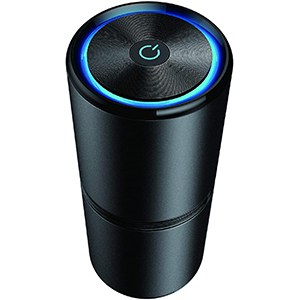


 CADR 7.3